
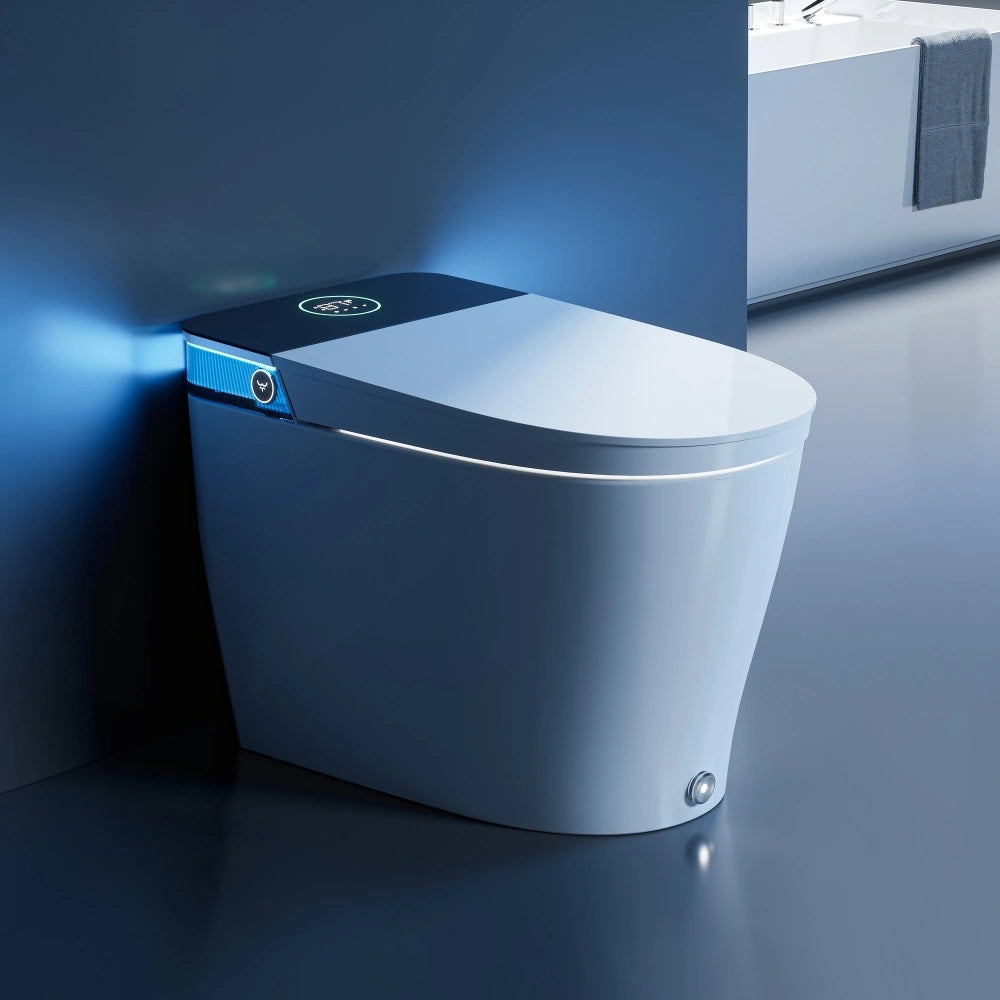
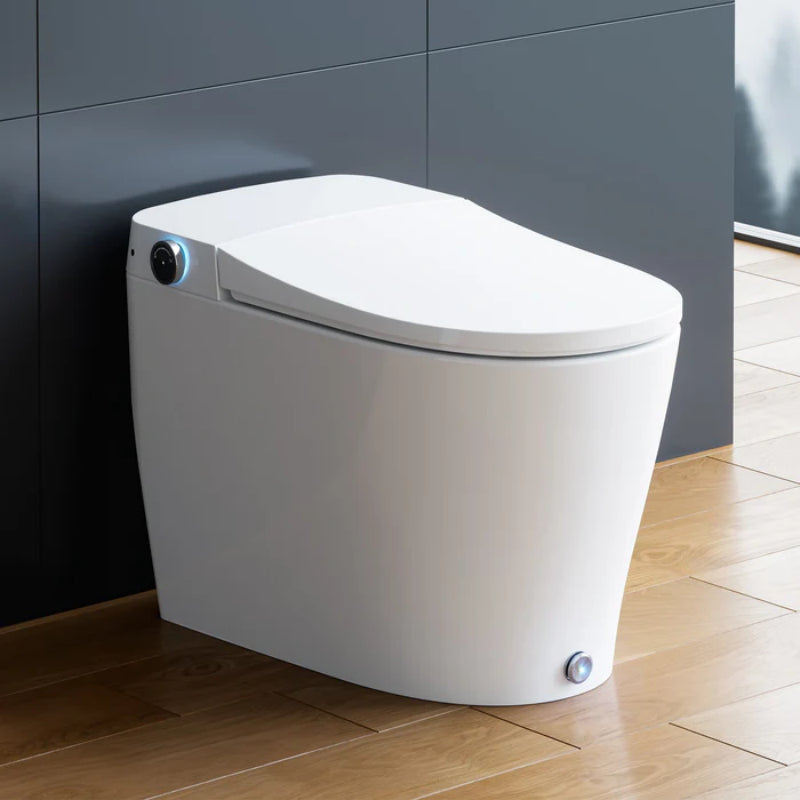

A bidet can rinse well, but it does not always solve the “wipe” question. In real homes, most people still do some wiping—usually a quick dab to dry or a quick check wipe to confirm they’re clean. The “no-wipe” lifestyle is possible, but it carries trade-offs that depend largely on your bidet toilet and daily routine.
When you’ll still need to wipe
Usually a good fit if:
-
You’re happy to dab dry with a little toilet paper (or a dedicated towel) instead of doing full wiping.
-
You want to reduce paper waste, not necessarily eliminate paper use.
-
Your household can handle a slightly longer routine (rinse, pause, dry).
-
You’re willing to keep the bidet nozzle and seat area clean.
Probably skip “no-wipe” plans if:
-
You get skin irritation, rashes, yeast infections, or recurring UTIs, and dampness tends to make it worse.
-
You have mobility limits that make drying carefully hard.
-
You share one bathroom with guests and don’t want awkward towel rules.
-
You expect the built-in dryer (if you have one) to fully replace toilet paper.
Do you need to wipe after using a bidet every time?
Most people end up doing one of these:
-
Rinse + dab dry (common)
-
Rinse + check wipe + dab dry (very common at first, and during messy bowel movements)
-
Rinse + air dry (works for some, but often feels slow or leaves dampness)
So, “Do you need to wipe after using a bidet?” often becomes a simpler question: Do you mind doing a small dry-off step? If you hate any paper use at all, you’ll need a plan that doesn’t create new hygiene problems.
What “clean and dry” really means
After bidet use, you usually need three outcomes:
-
Rinsed (water removed most residue)
-
Verified (you know you’re actually clean)
-
Dried (you won’t sit in damp underwear)
A bidet is strong on #1. It’s less reliable on #2 and #3 unless your routine covers them.
How to dry after bidet use without creating new hygiene problems
Learning to properly dry after using a bidet is key to avoiding irritation and maintaining hygiene. Mastering gentle drying methods helps bidet users stay clean, reduce toilet paper waste, and avoid common hygiene issues.
Toilet paper to dab (not wipe)
If your goal is reducing paper waste with bidets, this is the easiest path: use less paper, differently.
What works in practice:
-
Fold 2–4 squares and pat yourself dry.
-
If you want to verify cleanliness, do one gentle check wipe first, then finish with a dab.
-
Avoid aggressive wiping right after spraying, because wet skin + friction can irritate.
Why this reduces waste: dabbing uses far less paper than cleaning everything with dry paper from the start.
Hygiene of bidet air drying
Air drying sounds simple: just wait. The real-world catch is that moisture sits on skin folds and can linger longer than you think.
Air drying tends to cause problems when:
-
You’re in a hurry and pull up underwear while still damp.
-
You have sensitive skin and moisture leads to chafing.
-
You sweat easily or live in a humid climate.
-
You’re prone to odor when damp.
If you try air drying, a useful rule is: if you are not truly dry in under a minute, you may not like this long term.
Bidet towels: clean feel vs laundry and guests
Some households switch to small, dedicated towels for drying. It can feel cleaner and more comfortable than paper, but it creates its own friction.
A simple trade-off table helps:
| Drying method | What’s nice | What can go wrong |
|---|---|---|
| Dab with toilet paper | Fast, familiar, guest-friendly | Still uses paper; can shred if too thin |
| Air dry | No paper | Slow; damp underwear risk; irritation risk |
| Dedicated towels | Very dry, low paper use | Laundry/storage; guest discomfort; must keep clearly separated |
If you go the towel route, the hygiene hinges on one thing: one towel per person per use (or at least daily), and a clear system so nobody grabs the wrong towel.

What determines whether the bidet will clean enough to avoid wiping
Whether a bidet lets you skip wiping depends on water pressure, temperature, spray control, and bidet type. Proper settings and usage help you clean fully, reduce toilet paper, and lower the need for wiping after use.
Water pressure and temperature
According to the Centers for Disease Control and Prevention (CDC), proper water pressure and temperature are critical for safe and effective bidet use to minimize irritation and ensure thorough cleansing without the need for additional wiping. Pressure matters, but more isn’t always better.
-
Too low: you rinse, but residue may remain, so you still need wiping.
-
Too high: you can irritate skin, especially with frequent use.
Temperature affects comfort and how long you’re willing to rinse.
-
If the water feels unpleasant, people shorten the rinse.
-
Short rinses lead to more “check wiping,” so paper use goes back up.
The key point is: a comfortable rinse is usually a more effective rinse, because you’ll actually do it long enough.
Type of bidet and spray control
Different setups change how easy it is to get clean without wiping:
-
Bidet attachments and bidet seats: consistent spray, but you may need to adjust your position to hit the right spot.
-
Handheld bidet sprayers: flexible aim, but more chance of splashing or spraying too strongly at first.
-
Standalone bidets: can clean well, but your routine is different because you move between fixtures.
This isn’t about “better” or “worse.” It’s about whether you can easily hit the target without making a mess. If you can’t, you’ll end up wiping more.
When wiping is still necessary
Even with a good rinse, wiping may still be needed when:
-
Bowel movements are sticky or frequent (common with some diets and medications).
-
You have body hair that traps moisture.
-
You’re wearing tight clothing and can’t risk dampness.
-
You’re on your period or dealing with postpartum bleeding (many people still prefer a check-and-dry step).
For many homeowners, the realistic goal becomes: wipe less, not wipe never.
Real-world routines that make drying annoying
Many bidet users face frustrating drying issues in daily use. Learning practical routines, quick drying tips and proper wiping order helps avoid dampness, mess and extra toilet paper while improving your real-world bidet experience.
First-time use and shared bathrooms
The first week often includes:
-
Using too much pressure
-
Not sitting in the right spot
-
Taking too long to dry
-
Getting small drips on the seat or thighs
In a shared toilet, the friction is usually social:
-
Someone doesn’t want to use towels.
-
Someone uses too much paper anyway.
-
Someone leaves water on the seat, and the next person blames the bidet.
If you want a low-drama setup, plan for a routine that works for guests: rinse, dab dry with toilet paper, quick seat check.
Post-bidet drying tips for staying dry fast
Small habits prevent most annoyance:
-
Pause a few seconds after spraying before reaching for paper. Let water drip down.
-
Dab front to back, gently, so you don’t spread residue.
-
If the seat gets wet, wipe the seat edge quickly. It prevents the next person from sitting in water.
-
Keep a small waste bin nearby if your household doesn’t flush all paper.
These are boring details, but they’re the difference between “this is easy” and “why is this always damp?”
Wipe before or after using a bidet
A quick pre-wipe can reduce mess for some people:
-
If there’s a lot to clean, a single pre-wipe removes the bulk.
-
Then the bidet rinse finishes the job with less splatter and less time.
-
You still dab dry at the end.
This approach often uses less total paper than trying to rinse everything from scratch.

Long-term friction: air dryer efficiency, maintenance, and sensitive-user risks
Long-term bidet use involves air dryer efficiency, regular maintenance, and sensitive skin risks. Understanding these factors helps you avoid dampness, maintain hygiene, and reduce the need for wiping after using a bidet safely.
Why air dryers often don’t replace toilet paper
Some electric bidet seats and smart toilets include an air dryer. In real bathrooms, many people still dab because:
-
Drying can take longer than expected.
-
Warm air doesn’t always reach evenly.
-
You may feel “almost dry,” then regret it once you stand up.
If you’re choosing based on “no toilet paper,” assume the dryer is a helper, not a replacement, unless you’re very patient.
What happens if you don’t dry
Staying damp can lead to:
-
Chafing or irritation
-
Odor (moisture trapped in underwear)
-
Higher risk of rashes in skin folds
This matters more if you already deal with sensitive skin conditions. If you’re in that group, “no-wipe” is often less comfortable than expected.
Keeping the bidet clean so “no-wipe” stays hygienic
If you want to reduce wiping, cleanliness of the bidet itself matters:
-
Clean the spray nozzle area regularly (per your manual).
-
If your water is hard, mineral buildup can change spray pattern and reduce cleaning power.
-
Follow plumbing rules for backflow protection where required.
A bidet that sprays unevenly or weakly pushes you right back to wiping.
Before You Choose checklist
-
Can you accept dabbing dry as your normal routine?
-
Do you have sensitive skin or frequent irritation that moisture could worsen?
-
Will guests be comfortable with your drying method (paper vs towels)?
-
Is your household willing to wipe the seat edge if it gets wet?
-
Are you prepared to clean the nozzle area and handle mineral buildup?

FAQs
1. Do you need to wipe after using a bidet to get clean?
Yes, the need for wiping after using a bidet is nearly always present—even for first-time bidet users, a quick check wipe is recommended, and you’ll almost always need to gently pat dry to feel clean, with most people choosing to wipe a small amount to confirm full cleanliness and dry off after using the bidet, even if the rinse removes most residue.
2. How do you dry after using a bidet without using much toilet paper?
To dry after using a bidet and use less toilet paper, skip aggressive wiping with toilet paper and instead fold just a few squares to gently pat dry your skin; this method of toilet paper with a bidet cuts down waste far more than traditional wiping, and you can also opt for a dedicated towel as an alternative to using the toilet paper for drying the water left after rinsing.
3. Is air drying after a bidet hygienic?
Air drying after a bidet is hygienic in theory, but it’s rarely practical for regular bidet use because lingering moisture can cause irritation, and you must ensure you’re fully dry the water before putting on underwear to avoid discomfort, a key point for anyone adding a bidet or new to the bidet experience of air drying instead of wiping with toilet paper.
4. What if the bidet doesn’t fully clean?
If a bidet doesn’t fully clean, start by learning to properly use a bidet: adjust the water pressure to a comfortable level and check that water pressure is enough, plus tweak water temperature for a more effective rinse, and you can wipe before using a bidet to remove bulk residue first—this rinse before and after use approach works better than rinsing alone, whether you have a portable bidet, bidet or a handheld bidet, electric bidet models or a basic electronic bidet.
5. How to use the air dryer on a bidet for effective drying?
Electronic bidet and electric bidet models often include a built-in air dryer, but to use the air dryer effectively for wiping and drying after a bidet, let the bidet run the dryer long enough to fully dry off after using, as rushing leads to dampness; note the dryer works best as a supplement, not a full replacement for a small amount of toilet paper or a small dedicated towel for final drying.
6. How to reduce toilet paper waste with all bidet types?
Whether you use a standalone bidet, bidet attachment, portable bidet or handheld bidet sprayer next to the toilet, the best way to use less toilet paper is to pair bidet rinses with light patting instead of full wiping—avoid using large amounts of toilet paper for cleaning, and turn off the water on the bidet once rinsing is complete to ensure efficient use that complements your toilet use and cuts down paper waste significantly.
References


Leave a comment
This site is protected by hCaptcha and the hCaptcha Privacy Policy and Terms of Service apply.