
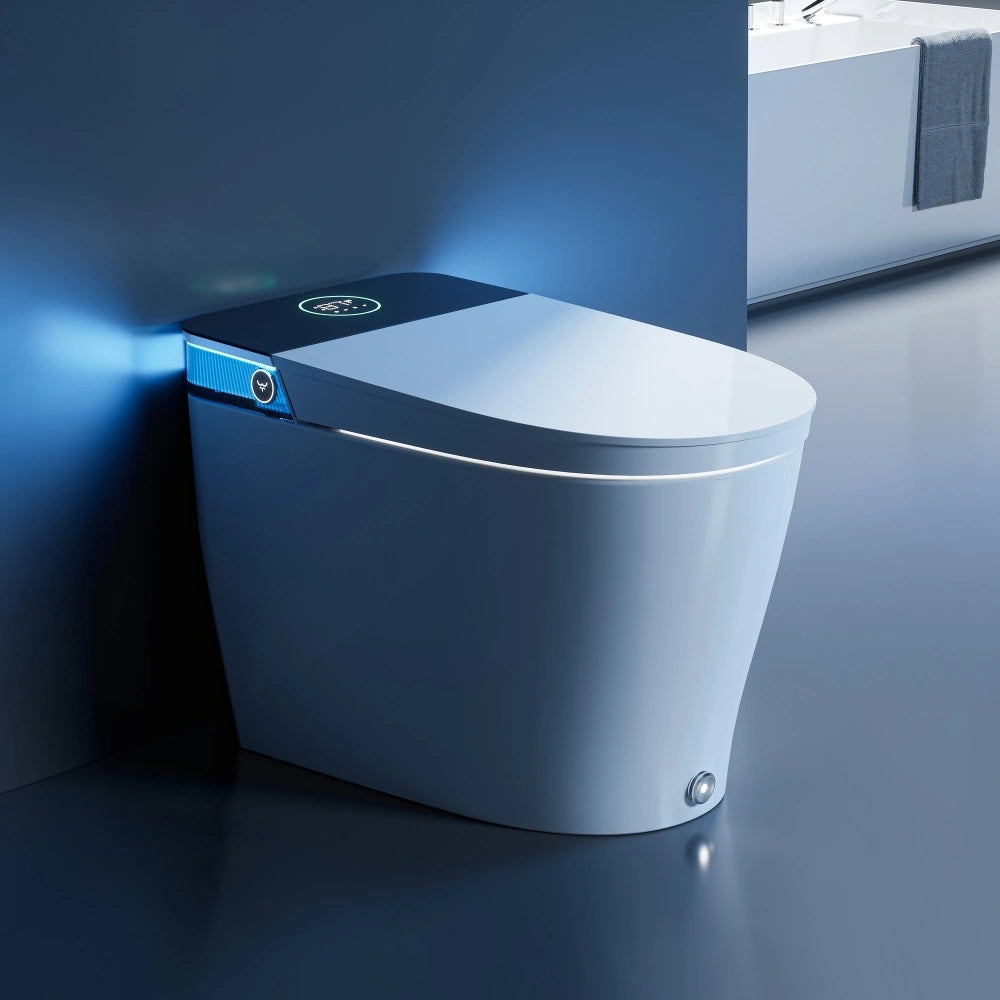
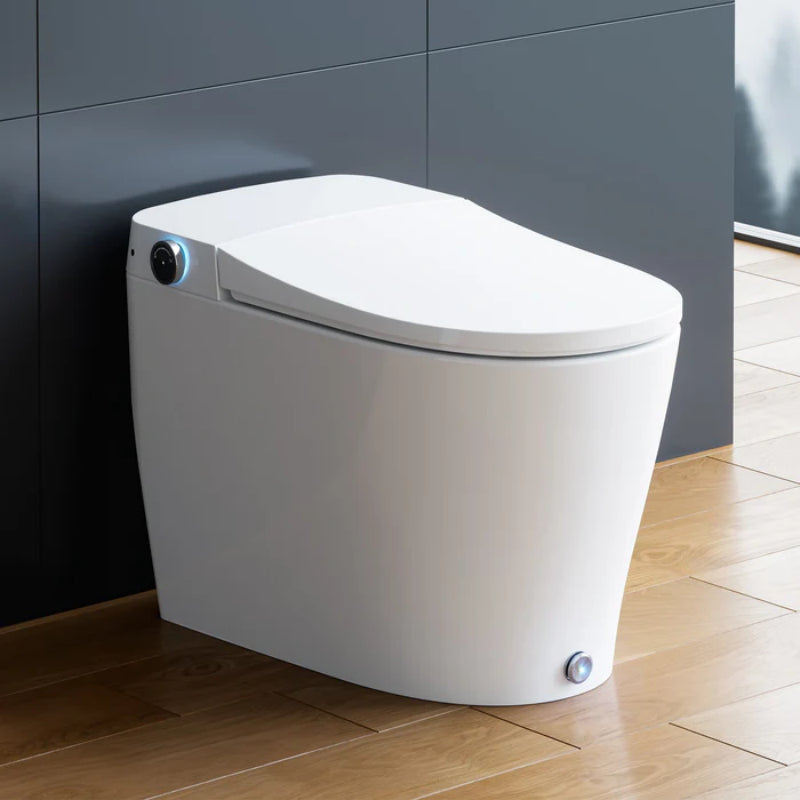
Bidet nozzle self-cleaning tech sounds simple: the bidet rinses its own spray wand before and after use, so you have less to think about. In many homes, that is useful. But it also gets oversold. A self-cleaning nozzle is not a zero-maintenance nozzle, and that expectation gap is where a lot of regret starts.
Here’s where this works well in real homes — and where it often doesn’t.
Is a self-cleaning nozzle worth the extra effort?
Consider these three scenarios where self-cleaning nozzles make sense—and where they often don't.
Best for shared daily use
This feature usually makes sense if several people use the same bathroom, the bidet toilet seat gets daily use, and you want less day-to-day wiping or checking. It also helps if the nozzle retracts into a protected housing and the area around the seat is easy to reach for quick wipes and occasional cleaning.
Skip if you expect zero upkeep
If you want the nozzle to stay clean forever with no manual care, skip this feature or reset your expectations first. Self-rinsing helps with fresh residue. It does not stop long-term mineral buildup, biofilm, or every hygiene concern.
Skip if access is tight
If your toilet is installed with very little side or rear clearance, bidet nozzle self-cleaning tech can become more annoying than helpful. If you can’t comfortably inspect or wipe around the nozzle area, maintenance gets skipped, and that is when smells, buildup, and stuck parts show up.

What buyers get wrong about contamination and nozzle hygiene
Beyond installation challenges, there are deeper misconceptions about what self-cleaning nozzles actually do. Here are the most common ones.
Self-rinsing is not sterilizing
This is the biggest misunderstanding.
Most self-cleaning bidet nozzles sprays water for cleaning the wand before or after each use; each cleaning cycle runs automatically, but this is not the same as sterilization and does not work without manual intervention for deeper buildup. That can rinse away surface residue. It does not mean the nozzle is sterilized. It also does not mean the inside of the housing stays free from buildup over time.
Some advanced models include UV sterilization, ultraviolet light arrays, or silver ion antimicrobial nozzle spray technology for an added layer of protection. That sounds stronger, but the real question is: what problem are you trying to solve?
If your concern is normal day-to-day cleanliness in a shared bathroom, a rinse cycle plus a retractable nozzle can be enough to feel reasonable and hygienic. If your concern is full disinfection or cross-contamination prevention with no manual work, self-cleaning tech will probably disappoint you.
UV does not replace cleaning
UV sterilization gets talked about like a final answer — and the debate around uv sterilization vs silver ions for bidets makes it seem even more definitive. It isn't.
UV can help reduce microbes on exposed surfaces if the light reaches the right area for long enough. But it does not remove mineral scale, dried residue, or the slimy film that can form in damp parts over time. If there is buildup on the nozzle, UV is working on top of that buildup, not removing it.
The key point is simple: sanitizing and cleaning are not the same job.

Are rinses enough for hygiene?
For many households, yes — for routine use, not forever.
A self-rinsing nozzle is often enough to reduce the “I need to wipe this every day” feeling. That matters in busy homes. But no, self-rinsing alone is not enough — preventing cross-contamination in toilets takes more than a rinse cycle can provide over the long term. Warm, damp bathroom parts still collect film and mineral deposits. Shared bathrooms with heavy use need periodic manual checks.
So if you’re asking, “Are self-cleaning bidet nozzles enough to prevent cross-contamination?” the honest answer is: they help, but they are not a complete hygiene system by themselves.
Retractable vs. exposed: which nozzle design is easier to clean?
So self-rinsing helps—but only for routine residue. The real difference in daily life comes down to design. Whether a nozzle stays clean depends heavily on whether it retracts or stays exposed.
Retractable nozzles stay cleaner
A bidet seat that includes a retractable nozzle usually stays cleaner than an exposed design, because the nozzle sits inside a housing when not in use. That gives them some protection from toilet splash, dust, and casual contact.
In practice, this matters more than many buyers think. A retractable nozzle does not stay spotless, but it usually needs less visible wiping and less frequent inspection than a nozzle that sits out all the time.
This is one of the few nozzle features in bidet nozzle self-cleaning tech that often feels worth having in daily life, because it reduces how often you notice the nozzle at all.
Exposed tips need more checks
If the spray tip remains exposed, self-cleaning cycles have a harder job. The nozzle is more likely to pick up splatter, dust, and room grime between uses.
That does not mean it is unsafe. It means you will likely need to look at it more often and clean it sooner. People who buy “self-cleaning” and then discover they still have to crouch down and inspect a visible nozzle every week or two often feel misled.
Will hard water cause problems?
Yes, it can.

Hard water is one of the biggest reasons self-cleaning nozzle systems stop feeling “self-cleaning.” According to the EPA, germ buildup, mineral deposits, and scale can collect on the nozzle and around the spray openings. Over time, this mineral accumulation—particularly in hard water areas—can affect spray pattern and interfere with moving parts. Over time, that can affect spray pattern, make the nozzle look dirty, and in some cases interfere with movement in retracting parts.
If you have hard water, assume you will need occasional descaling. That is true even if the nozzle rinses itself after every use — regular cleaning and descaling are still part of the routine. Water rinsing does not remove mineral scale if the minerals are in the water itself.
Bidet nozzle maintenance tips most owners learn too late
What does regular care actually look like? Despite the name, even self-cleaning systems need hands-on attention more than most buyers expect.
Deep cleaning still comes up
Even with self-cleaning tech, deep cleaning still happens. For many homes, that means checking and wiping the nozzle area on a regular schedule, then doing a more thorough clean every few months.
What people often wish they knew earlier is that the awkward part is not the cleaning itself. It is the access. If the nozzle is fixed in place, hard to extend, or tucked into a cramped spot, a “quick clean” turns into a frustrating task. That is when people start putting it off.
If you ever need to deep clean a self-cleaning bidet nozzle safely — or you are looking for guidance on how to deep clean bidet nozzles diy — the safest approach is usually gentle: turn off power if required by the unit, follow the seat’s cleaning mode if it has one, use a soft cloth or soft brush; do not use harsh chemicals, bleach, or harsh cleaners, and do not scrub aggressively — all of these could damage the nozzle and the seals around it. A scratched nozzle can collect more residue later. A scratched nozzle can collect more residue later. Self-rinsing manages fresh residue without manual effort, but deeper buildup always requires hands-on attention.
Biofilm builds over time
This is the part many product pages gloss over.
In warm, damp areas, a thin film can build up over months even when the nozzle is rinsed often — a visually sanitary surface does not mean the interior housing is free of biofilm. In real homes, this is one reason some users notice odor or a slightly sticky feel around hidden nozzle areas after 6 to 12 months. Self-rinsing does not fully stop that. It mainly deals with fresh residue after use.
That does not mean the system is failing. It means the environment itself promotes buildup. Bathrooms are wet spaces. Moving parts in wet spaces need periodic cleaning.
How often is cleaning needed?
There is no single schedule, because it depends on use, water quality, and access.
Still, a practical rule is:
| Home situation | What to expect |
| One or two users, average water | Quick visual checks and occasional wiping |
| Shared bathroom, daily use | More frequent inspection and periodic manual cleaning |
| Hard water home | Regular descaling likely needed |
| Tight installation, fixed nozzle access | Cleaning often gets delayed, which increases problems |
If you are asking how often bidet nozzles need cleaning if they are self-cleaning, the answer is still: often enough that you should be willing to look at them regularly. Not daily. But not “set it and forget it” either. As a general guide, try to run a wash cycle or manual cleaning and cycle periodically — at least once every few months — even if the automatic nozzle rinse runs after every use.

When it becomes annoying
For some homes, the feature stops being worth it. Two design problems stand out.
Fixed nozzles are harder
A fixed or non-detachable nozzle can be the point where bidet nozzle self-cleaning tech loses its appeal. If you cannot bring the nozzle out easily for inspection, wipe around it, or reach it without twisting into a cramped corner, upkeep becomes unpleasant.
This matters a lot in homes where the toilet is boxed in by walls, cabinets, or tight side gaps. Under about 2 to 3 inches of side or rear clearance, simple cleaning can become a chore. That is enough for many people to skip it. Then they blame the self-cleaning feature, when the real issue was access.
Stuck retraction can happen
The automation of built-in nozzle retraction is usually cleaner, but it adds a moving part. Dirt, scale, or residue around the housing can slow the nozzle or cause rough movement over time. That does not happen in every home, but it is a common enough complaint that buyers should know it upfront.
If you are the kind of homeowner who gets annoyed by any small mechanical quirk, this matters. A nozzle that retracts slowly or needs occasional cleaning around the track may bother you more than the hygiene benefit helps.
Is this feature worth it?
It is worth it when it lowers your daily maintenance burden without creating hidden cleaning problems you cannot realistically keep up with.
It is not worth it if you are buying bidet nozzle self-cleaning tech for peace of mind based on the idea that the nozzle will stay sterile and maintenance-free. That is where the disappointment comes from.
A simple way to think about it:
-
If your bathroom is shared, used often, and easy to clean around, bidet nozzle self-cleaning tech is usually helpful.
-
If your setup is cramped, your water is hard, or you hate periodic maintenance, it may feel like one more thing to manage.
-
If hygiene reassurance matters to you, look at the whole setup, not just the bidet nozzle self-cleaning tech label: retractable design, nozzle material, access for inspection, and your willingness to deep clean a few times a year.
Choosing the right model matters here. According to NSF International standards for sanitary product design, stainless steel nozzles are often easier to keep clean than plastic because they tend to resist staining and feel less porous. NSF's sanitation guidelines recommend materials that minimize biofilm attachment and are easier to sanitize during regular maintenance. — but regular nozzle cleaning is still required regardless of material. That can be a real plus. But material choice does not remove the need for cleaning. It just changes how quickly the nozzle may show wear or buildup.
Before You Choose
Use this guide to set realistic expectations before you decide.
-
Can you easily reach and inspect the nozzle area from the side or rear?
-
Are you expecting less upkeep, or no upkeep at all?
-
Do you have hard water that will likely leave mineral scale?
-
Will this be a shared bathroom with heavy daily use?
-
If the nozzle needs manual cleaning every few months, will you actually do it?
-
Is it a standalone attachment or a self cleaning bidet toilet?
-
Does it include a heated seat, warm water spray, an adjustable wand position, a dryer, and a deodorizer?
-
Is there a sensor for automatic lid opening or other smart functions?
-
Where does the cord run, and is there a GFCI outlet nearby? If not, you may need an electrician to install one safely.
-
Can you adjust pressure settings for all users, including senior family members or anyone with skin irritation concerns?
-
Have you considered the overall bathroom layout and how the seat fits your whole bathroom aesthetic, not just the toilet itself?
-
Does your bathroom use pattern — daily, shared, or occasional — match what this feature actually provides?
-
Have you factored the purchase price into the long-term cost of nozzle maintenance and cleaning?
-
Can you easily wipe the seat area between uses without tools or awkward positioning?
FAQs
1. How do smart toilets clean their own nozzles?
Bidet nozzle self-cleaning tech runs water over the spray wand before or after use to rinse away surface residue. Some advanced models add UV light or antimicrobial materials for additional protection. However, water rinsing alone removes only fresh residue—it cannot prevent mineral buildup, biofilm, or long-term disinfection. The nozzle still requires periodic manual cleaning.
2. Are bidet nozzles sanitary for multiple users?
Bidet nozzle self-cleaning tech is safer for shared bathrooms than manual alternatives, especially with retractable designs where the nozzle retracts and cleans itself automatically when not in use. However, they are not a complete hygiene solution. Based on CDC guidelines for bathroom hygiene in shared spaces, while rinsing helps reduce daily concerns, it cannot fully prevent cross-contamination over time. The CDC emphasizes that shared bathrooms with heavy use require periodic manual inspections and cleaning every few months. Shared bathrooms with heavy daily use should include periodic manual inspections and cleaning every few months for optimal sanitation.
3. What is silver ion tech in a bidet?
The document does not discuss silver ion technology. However, it notes that some manufacturers add antimicrobial materials to nozzles beyond simple rinsing. For specific information about silver ion sterilization, consult your bidet manufacturer's specifications.
4. How often should I clean the bidet wand?
Frequency depends on usage and water quality. Bidet nozzle self-cleaning tech reduces but does not eliminate the need for manual care. Homes with one or two users and average water need quick visual checks and occasional wiping. Shared bathrooms require more frequent inspection and periodic manual cleaning. Hard water homes likely need regular descaling. The rule: inspect regularly enough that you stay comfortable with the nozzle's cleanliness—not daily, but not "set and forget" either.
5. Can I replace the nozzle on a smart toilet?
The document does not address nozzle replacement. Check your specific bidet model's manual or contact the manufacturer for information about nozzle detachability and replacement options.
6. Does HOROW use UV or silver ion sterilization?
The document does not detail HOROW's specific approach. The horow self-cleaning bidet wand is known to feature self-rinsing nozzle technology, but whether it relies on uv sterilization vs silver ions for bidets or uses silver ion antimicrobial nozzle spray specifically depends on the model. For an automatic nozzle sterilization guide and product-specific details, consult HOROW's official specifications or contact their customer support directly.
References



Leave a comment
This site is protected by hCaptcha and the hCaptcha Privacy Policy and Terms of Service apply.