

If you are thinking about buying a bidet for feminine hygiene, you probably are not looking for a luxury bathroom upgrade. You are trying to solve a real problem.
Maybe wiping leaves you sore. Maybe your skin gets irritated during your period. Maybe you are pregnant, postpartum, or dealing with hemorrhoids. Maybe you just want to feel cleaner without using so much toilet paper.
That is where a bidet can help. Bidets are becoming more common in households for exactly these reasons, but not every bidet is a good fit for feminine hygiene. Some are too basic. Some spray too hard. Some are awkward to clean. And some look good on paper but do not work well in a real bathroom with a regular toilet, limited space, or no power outlet nearby.
Here’s the simple truth: the right bidet can make feminine hygiene easier and gentler, but the wrong one can be annoying, uncomfortable, or a waste of money.
This guide is here to help you make a first decision with confidence. Not every feature matters. Not every type is worth paying for. I’ll focus on what actually changes the buying decision: comfort, spray direction, pressure control, cleaning, fit, cost, and daily use.
Decision Snapshot: Who Should Buy a Bidet for Feminine Hygiene?
If you only read one section, read this one.
Probably choose a bidet attachment / seat / integrated toilet if…
-
Attachment: you want a low-cost entry point, have no outlet near the toilet, and are okay with manual controls and room-temperature water.
-
Seat: you use the bidet daily, want warm water and better pressure control, and have an outlet or are willing to add one.
-
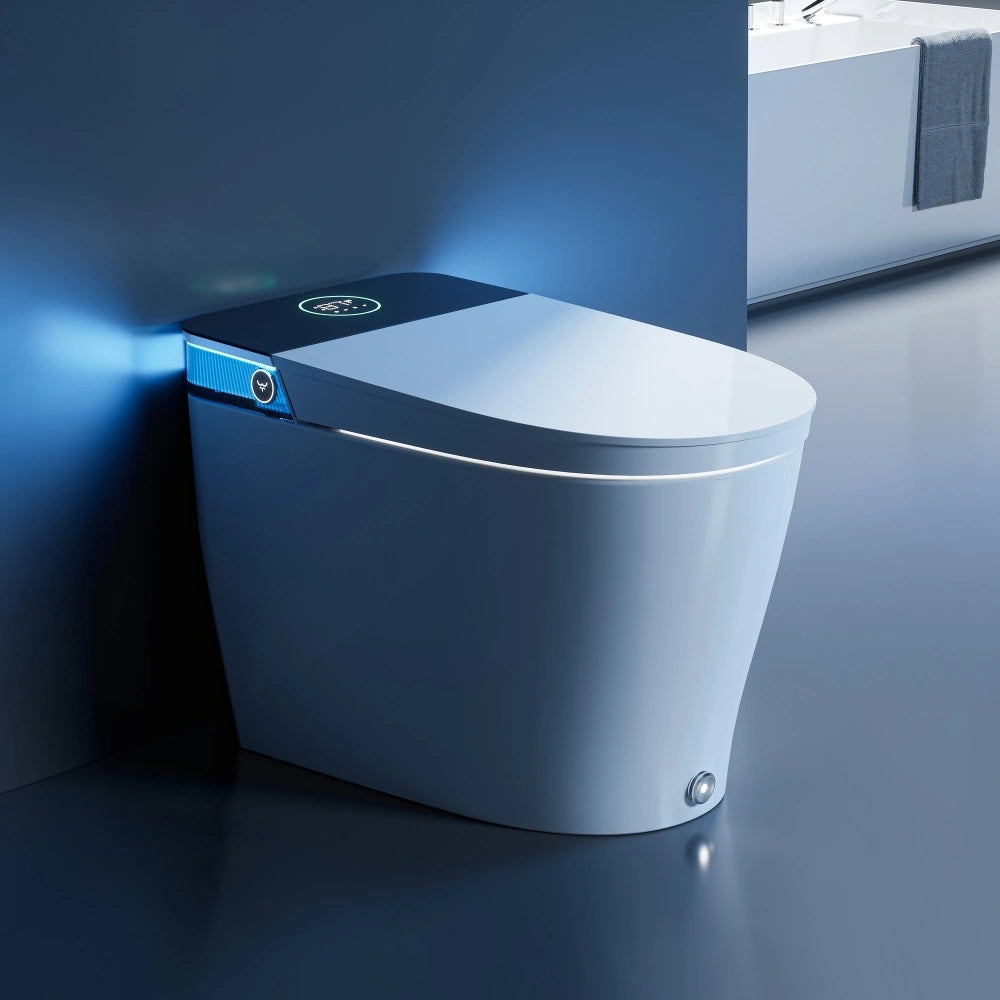
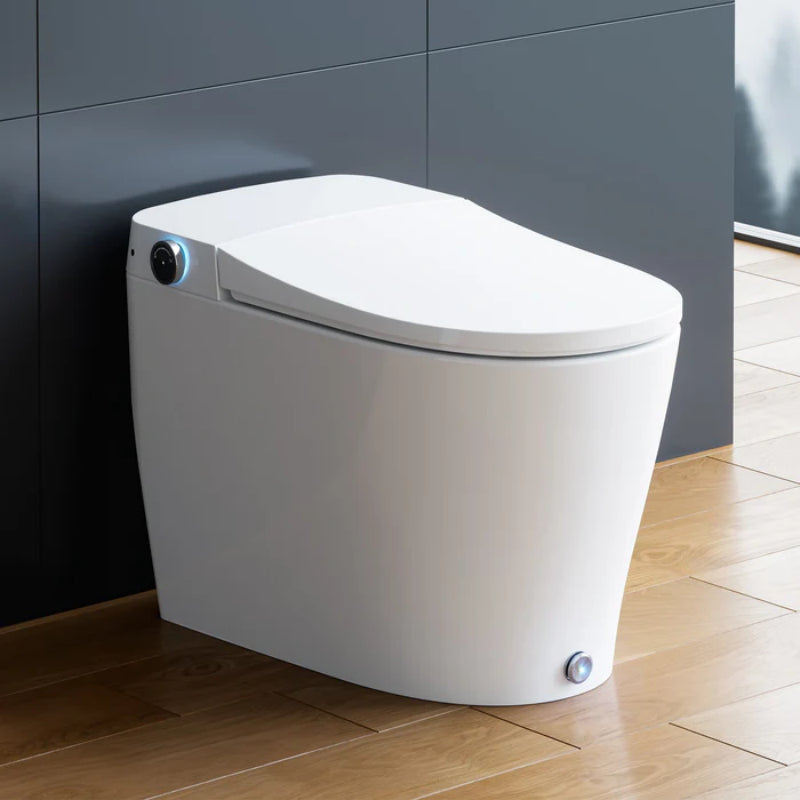
Integrated toilet: you are already remodeling or replacing your toilet, want the cleanest all-in-one look, and have a higher budget.
Key constraints to check before shopping
-
Water access: you need a functioning shutoff valve near the toilet that is not corroded or stuck.
-
Outlet access: if you want warm water or a powered seat, you need an electrical outlet within reach, or you must budget for adding one.
-
Toilet shape: round or elongated—buying the wrong shape means a poor fit or a non-returnable seat.
-
Side clearance: some controls stick out; if your toilet sits in a tight alcove or next to a wall, check the space.
-
Willingness to clean: every bidet needs routine cleaning of the nozzle and surrounding area—if you want zero maintenance, a bidet may not suit you.
Best fit
A bidet is usually a very good fit if you:
-
have sensitive skin
-
get irritation from frequent wiping
-
want easier cleanup during your period
-
are pregnant or postpartum
-
want gentler hygiene with hemorrhoids
-
prefer washing over wiping alone
In real homes, these are the people who tend to notice the biggest difference fastest. They are already feeling friction, soreness, dryness, or cleanup hassle. Water often helps because it reduces rubbing.
Not the best fit
A bidet may not be the best fit if:
-
Your toilet has no practical water access
-
Your bathroom setup makes installation difficult
-
Your budget is very tight and even a basic attachment feels like too much
-
You know you strongly dislike any wet-cleaning routine
-
You want zero maintenance and never want to clean a nozzle or seat area
Some people also expect a bidet to feel perfect on day one. That is not always how it goes. There is often a short adjustment period.
Rule of thumb
Choose a model with a true front wash feature, adjustable pressure, and easy cleaning, or skip it.
That rule filters out a lot of bad options.
If a bidet does not have a true feminine or front wash setting, if the pressure is not easy to soften, or if the nozzle area looks hard to keep clean, it is probably not the right buy for feminine hygiene.
Is a Bidet for Feminine Hygiene Actually Better Than Wiping?
For many women, yes. But “better” depends on what problem you are trying to solve.
When a bidet is gentler
The benefits of bidets for women start with replacing dry rubbing with a gentle stream of water. This is especially helpful when skin is already tender, sensitive, or irritated. For many women, the main benefit is less friction during menstruation, postpartum recovery, or daily hygiene. Water can remove residue without repeated wiping, which often reduces soreness and dryness.
When it may still irritate
A bidet is not automatically comfortable. If the pressure is too strong, the spray is misaligned, or you use it for too long, it can cause irritation rather than relief. Some models lack fine pressure control, making even the lowest setting feel harsh. Comfort depends on using a gentle spray, proper positioning, and brief rinse cycles—not more power.
When period-only use justifies a basic model
If your main need is menstrual hygiene, you do not need an expensive bidet. A basic attachment or bidet toilet seat with a front wash setting and adjustable pressure is often enough. Period cleanup is one of the most practical use cases because water can feel faster and gentler than wiping alone. For occasional use, focus on front wash and pressure control, and skip premium features like warm air drying or remote controls.
Which Bidet Features Matter Most for Feminine Hygiene?
This is where many buyers get distracted. Fancy features sound appealing, but only a few really matter for feminine hygiene.
Feminine wash vs rear wash
The most important difference is feminine wash mode vs rear wash on a bidet.
A rear wash is aimed farther back. It is mainly for bowel movement cleanup.
A feminine wash feature, sometimes called front wash, is positioned more forward and is meant for vulvar cleansing. This is the feature that matters most if you are buying for feminine hygiene, and modern options like Horow feminine wash technology offer precise pressure control and nozzle positioning for a truly comfortable experience.
Can a rear wash work? Sometimes, but it is less precise and often awkward. You may need to shift your body more to reach the right area. That can be annoying, especially during pregnancy, postpartum recovery, or when mobility is limited.
So if feminine hygiene is one of your main reasons for buying, do not settle for rear wash only.
Front wash nozzle benefits
There are real front wash nozzle benefits for feminine hygiene.
A front wash nozzle is useful because it:
-
reaches the target area more naturally
-
reduces the need to reposition as much
-
helps with period cleanup
-
can be gentler when used at low pressure
-
is easier to use consistently
For many buyers, this is the feature that separates a “nice idea” from a bidet they actually keep using.
Gentle settings
When people ask about gentle bidet settings for feminine hygiene, they are asking the right question.
Pressure control matters more than power, as it directly determines whether you get a gentle and effective cleaning experience. In fact, one common mistake is buying a model with poor low-pressure control. A bidet can be powerful and still not be comfortable if the weakest setting is too strong.
Look for:
-
small pressure adjustments, not just high/low
-
a soft spray option if available
-
easy access to controls while seated
-
a nozzle position adjustment if possible
In real use, women who are sensitive, postpartum, or pregnant usually care less about a strong wash and more about a controllable one.
Self-cleaning nozzles
A self-cleaning bidet nozzle for feminine hygiene is worth having, but do not overestimate it.
Self-cleaning usually means the nozzle rinses itself before or after use. Many modern bidets include this as a standard feature, helping reduce residue and making maintenance easier. It is a useful feature and one I would prioritize.
But it does not replace routine cleaning. Mineral buildup, splashback, and general bathroom grime still happen over time. So yes, choose self-cleaning if you can, but assume you will still need to clean the nozzle area manually on a regular schedule.

What Type Should You Choose for Your Bathroom and Budget?
There are many different types of bidets on the market, but most homeowners choosing a bidet for feminine hygiene will be deciding between an attachment, a toilet seat, and an integrated bidet toilet—each designed to work with a traditional toilet or replace it entirely.
Toilet attachment vs toilet seat vs integrated toilet
| Dimension | Toilet Attachment | Toilet Seat | Integrated Toilet |
| Best for | Low-cost entry, renters, no outlet, trying a bidet for the first time | Daily use, sensitive skin, period/pregnancy/postpartum comfort, warm water preference | Full bathroom remodel, replacing an existing toilet, premium all-in-one setup |
| Not ideal for | Users who want warm water, precise pressure control, or a sleek look | Tight budgets, bathrooms without an outlet, round toilets if seat requires elongated | Buyers on a budget, renters, anyone not already replacing their toilet |
| Required setup | Water connection only; installs under existing seat | Water + electrical outlet (for warm water and powered features); replaces existing seat | Water + electrical; replaces entire toilet; may require professional installation |
| Comfort trade-offs | Room-temperature water; basic pressure control; no dryer | Warm water available; adjustable pressure; drying optional; more comfortable for daily use | Highest comfort level; advanced presets; seamless ergonomics |
| Cleaning trade-offs | Nozzle and attachment area require regular cleaning; more crevices | Nozzle self-cleans but seat base still needs routine cleaning; easier overall than attachment | Easiest to clean overall; nozzle self-cleans; smooth exterior surfaces |
| Budget level | $ | $$ to $$$ | $$$$ |
What to consider first
If you are wondering what to consider before choosing a bidet, focus on these questions:
-
Do you need a true front wash?
-
Can you control pressure gently?
-
Do you want warm water?
-
Is there an outlet near the toilet?
-
Will it fit your toilet shape?
-
Are you willing to clean the nozzle area?
-
Are you buying it for daily use or occasional relief?
Those answers usually point to the right type faster than any product list.
What Will It Really Cost to Buy and Live With?
Price matters, but so does the kind of comfort you are paying for.
Upfront cost
Attachments are the lowest upfront cost, typically ranging from affordable to moderately priced. They give you front wash functionality with minimal investment.
Bidet seats cost more than attachments. The extra money goes toward warm water, better pressure control, nozzle positioning, and often a sleeker fit. If you plan to use the bidet daily—especially during pregnancy, postpartum, or for period hygiene—paying more for a seat is often worth it because the user experience is noticeably better.
Integrated toilets have the highest upfront cost by a large margin. Unless you are already remodeling or replacing your toilet, this option is usually more than most buyers need for feminine hygiene alone.
Utility and maintenance costs
Ongoing costs are generally modest but exist:
-
Water use: minimal for typical use; not a major cost factor for most households.
-
Electricity: applies only to powered seats or integrated toilets with warm water, heated seats, or air drying. If you want these features, factor in a small increase in your electric bill.
-
Maintenance: occasional cleaning supplies; some models use replaceable filters or deodorizer cartridges; nozzles and parts may eventually need replacement after years of use.
When paying more for a seat is justified vs when an attachment is enough
An attachment is enough if:
-
You mainly want front wash and gentle pressure
-
You are okay with room-temperature water
-
You use the bidet occasionally rather than daily
-
Your budget is tight and you want the lowest-cost entry
Paying more for a seat is justified if:
-
You use the bidet daily or multiple times a day
-
You are sensitive to cold water or live in a cold climate
-
You are pregnant, postpartum, or recovering from childbirth
-
You have sensitive skin and want precise pressure control
-
You value warm water, nozzle positioning, and overall comfort
The key distinction is frequency and sensitivity. Occasional users are often well served by a basic attachment. Daily users—especially those managing irritation, periods, pregnancy, or postpartum recovery—usually find the extra cost of a seat worthwhile.

Will It Fit Your Toilet, Bathroom, and Daily Routine?
A lot of returns happen because people focus on features and forget fit.
Toilet shape and space
First, check whether your toilet is round or elongated. Many bidet seats are shape-specific. Buy the wrong one and the fit may be awkward or poor.
Then check side clearance. Some controls stick out from the seat or attachment. In a tight bathroom, that matters.
If you are choosing a powered seat, check for a nearby outlet. If there is no outlet, adding one may cost more than expected.
Small bathrooms can also make installation and cleaning harder, especially around the toilet base and side controls.
Renters and older plumbing
Installation is often easy in theory and annoying in practice.
For renters, attachments are usually the easiest starting point because they use the existing toilet and can often be removed later. But always check lease rules first.
Older plumbing can create issues with shutoff valves, stiff hoses, or parts that are hard to loosen. If the water valve looks old or fragile, a simple installation may become a plumbing call.
For a regular toilet, attachments and seats are both common solutions. The real question is whether the water connection area is easy to access and whether the toilet seat mounting area has enough room.
Small bathrooms and mobility limits
Will this work in a small bathroom or with limited mobility? Often yes, but the details matter.
If bending, twisting, or reaching is difficult, a bidet can help by reducing wiping. That is a real advantage. But controls should be easy to reach and simple to understand. Tiny side dials may be harder for some users than a larger control panel or remote.
For small bathrooms, a seat may actually feel neater than some attachments because everything is more integrated, even if the seat itself is bulkier.
What if you dislike the wet feeling?
This is more common than some guides admit.
Some people love the clean feeling right away. Others do not enjoy feeling damp after washing. That does not mean a bidet is wrong for you, but it is something to think about before buying.
You still need to dry off, usually with:
-
a small amount of toilet paper
-
a dedicated towel used hygienically
-
an air dryer if your seat has one
If you know you strongly dislike any wet-cleaning step, a bidet may not become part of your routine, even if it works well.

How Do You Use a Bidet for Feminine Hygiene Safely?
This matters as much as the buying choice.
Safe everyday use
When used correctly, bidets are safe for daily feminine hygiene. If you want to know how to use a bidet for feminine hygiene safely, keep it simple:
To use a bidet as a woman, start with a gentle spray, keep the wash brief, and avoid spraying with excessive force. For most people, a short rinse is enough. You do not need high pressure or a long wash cycle.
The spray should clean the external area. A bidet is for external cleansing, not internal washing.
Start on the lowest setting while you use the toilet and remain seated. Adjust only if needed. If the bidet has nozzle positioning, move it slowly until it feels right.
Pat dries rather than rub aggressively.
During your period
Many women use bidets regularly, and using a bidet for feminine hygiene during their period is generally one of its most helpful uses.
A front wash can make period cleanup easier between pad or underwear changes and can help you feel fresher without over-wiping. Again, gentle pressure is best.
If you use menstrual products, a bidet can still be useful for external cleanup. Just keep the spray comfortable and brief.
During pregnancy
Bidets are designed with user comfort in mind, and a bidet for feminine hygiene during pregnancy can be especially helpful because reaching is harder and skin can be more sensitive. The right setup makes cleanup easier with less twisting and wiping. The National Institute of Child Health and Human Development notes that maintaining good hygiene during pregnancy supports overall comfort and well-being.
What usually works best:
-
front wash
-
low pressure
-
easy-to-reach controls
-
stable seating
-
warm water if comfort matters to you
The main caution is the same: avoid strong spray pressure.
Can a bidet help prevent UTIs?
This question comes up a lot: can using a bidet help prevent UTIs in women?
A bidet is not a guaranteed way to prevent UTIs. It is not a medical treatment. But it may help some women by reducing irritation from wiping and improving gentle external cleanliness.
The concern is not the idea of washing itself. The concern is how it is done. With proper use and regular cleaning, a bidet can reduce the risk of infection by minimizing irritation and promoting gentle external cleanliness. Good habits matter:
-
use gentle pressure
-
avoid prolonged washing
-
clean the nozzle regularly
-
use the front wash setting properly
-
follow normal front-to-back hygiene habits
If you are prone to UTIs, vaginal irritation, or recurring symptoms, it is smart to ask your clinician what hygiene routine makes sense to you.
Are Bidets Sanitary for Feminine Hygiene Over Time?
In normal home use, yes, they can be sanitary. But only if you maintain them.
Are bidets sanitary?
People often ask, are bidets sanitary for feminine hygiene? In general, yes, a bidet can be sanitary when it is used correctly and cleaned regularly.
A bidet is not automatically unsanitary because it uses water. But it is also not automatically hygienic just because it has a self-clean feature. Any fixture used near the toilet needs routine care.
Cleaning routines
A realistic cleaning routine matters more than marketing claims.
At minimum, plan to:
-
wipe down exterior surfaces regularly
-
clean the nozzle area as recommended
-
check for mineral buildup
-
keep the surrounding area clean by wiping under and around the seat or attachment
If your water is hard, buildup can happen faster. If several people use the same bathroom, routine cleaning matters even more.
Spray direction and pressure
Water pressure and spray direction affect hygiene more than people expect.
Very strong pressure is not better. It can be uncomfortable and may increase irritation risk. A well-aimed, gentle spray is usually the better choice for feminine hygiene.
Good habits reduce risk:
-
start low
-
use short rinses
-
keep the unit clean
-
do not ignore discomfort
-
do not assume more force means more cleanliness
Long-term ownership
Long-term, the most common regrets are predictable:
-
buying a model without true front wash
-
poor pressure control
-
discovering it does not fit the toilet well
-
underestimating cleaning needs
-
paying for advanced features that never get used
-
choosing a cold-water-only model when comfort really mattered
There are also times when it is reasonable not to buy one. If your bathroom setup is difficult, your budget is stretched, and you are not sure you will like the wet-cleaning routine, waiting may be the better call.
A bidet should solve a problem, not create a new one.

Before You Buy
Use this quick checklist before you choose:
-
Confirm your toilet is round or elongated
-
Make sure the model has a true front wash
-
Check that pressure can be adjusted very gently
-
Decide if you need warm water or can live without it
-
Look at outlet access if you want a powered seat
-
Be honest about whether you will clean the nozzle area
-
Think about your main use: periods, irritation, pregnancy, postpartum, or daily comfort
-
If budget is tight, start with a simple attachment instead of paying for features you may not use
FAQs
1. Is a bidet good for feminine hygiene?
A bidet for feminine hygiene is an excellent choice when it includes a true front wash setting and allows you to control pressure gently. The most important feature is a gentle feminine wash mode settings option, which lets you soften the spray to avoid irritation while still achieving thorough external cleansing. Unlike rear-only models, a properly designed feminine wash reaches the target area naturally, reducing the need for awkward repositioning. When combined with brief rinse cycles and regular nozzle cleaning, a bidet offers a consistently comfortable and hygienic alternative to wiping alone.
2. Can using a bidet help prevent UTIs?
While a bidet is not a medical treatment, preventing UTIs with bidet use is possible for some women when good habits are followed. Using a bidet for feminine hygiene with a dedicated front wash setting helps reduce irritation from aggressive wiping, which can be a contributing factor for some UTIs. The key is using gentle pressure, keeping rinse cycles short, and always cleaning from front to back—never allowing water or residue to move in the wrong direction. A gentle feminine wash mode settings approach, combined with routine nozzle cleaning, supports external hygiene without introducing unnecessary risks.
3. Is it safe to use a bidet during menstruation?
Yes, using a bidet during your period is safe, and the bidet use during period benefits include faster cleanup, less friction, and a fresher feeling between changes. A bidet for feminine hygienewith a front wash setting makes menstrual hygiene easier by replacing repeated wiping with a gentle, targeted spray. The same safety rules apply: use a low-pressure setting, keep the rinse brief, and clean the external area only. For many women, the bidet used during period benefits alone justify choosing a basic front-wash model, even without heated water or advanced features.
4. What is the difference between front and rear wash?
The difference between front and rear wash matters most when choosing a bidet for feminine hygiene, as a front wash is specifically designed for vulvar cleansing while a rear wash targets the anal area. A rear wash is useful for bowel movement cleanup, but it is positioned farther back and often requires shifting your body to reach the front. In contrast, gentle feminine wash mode settings with a front-positioned nozzle reach the intended area more naturally and comfortably. For women who want hygienic washing vs wiping for women, a true front wash is the non-negotiable feature that separates a useful bidet from one that simply does not fit the intended purpose.
5. How do women use a bidet properly?
Using a bidet for feminine hygiene properly starts with selecting the front wash setting and adjusting to the lowest pressure first. A gentle feminine wash mode settings approach means you should aim for a soft, brief rinse—usually just a few seconds—rather than a high-powered stream. After washing, pat dry with a small amount of toilet paper or a clean towel instead of rubbing, which maintains the hygienic washing vs wiping for women advantage. Regular cleaning of the nozzle area and avoiding prolonged wash cycles are also essential habits for safe, comfortable daily use.
6. Can a bidet help with postpartum recovery?
Maternity care bidet solutions are among the most valuable uses of a bidet, as postpartum recovery often involves soreness, swelling, and limited mobility. A bidet for feminine hygiene with a front wash setting and easy-to-reach controls reduces the need for twisting, reaching, or repeated wiping during a time when comfort is critical. Low pressure and warm water—if available—add to the comfort, making daily hygiene feel less like a chore and more like gentle relief. While maternity care bidet solutions do not replace medical advice, many women find that a well-chosen bidet makes the early weeks of recovery noticeably easier.
References


Leave a comment
This site is protected by hCaptcha and the hCaptcha Privacy Policy and Terms of Service apply.