
A toilet seat bidet or electronic bidet toilet seat makes an incredibly meaningful gift for elderly parents can be incredibly meaningful for an older parent.But it is only a good gift if it solves a real daily problem and does not create a new one.Supporting independence in the bathroom is one of the most thoughtful ways to preserve comfort and confidence as people age.
In many homes, the reason families start looking is simple: wiping has become hard. A parent may have arthritis, shoulder pain, back stiffness, poor balance, hemorrhoids, or weak hand grip. What used to be a small bathroom task now takes effort, causes pain, or requires help. That is where a bidet can make a real difference.
I’ve seen this decision go well when the family stays focused on one question: will this make toileting easier and safer for this specific person? Not “what has the most features,” and not “what sounds impressive.” For seniors, simple comfort and easy controls matter more than extra modes.Reducing risky twisting and reaching during toileting also helps lower fall risk, a key concern for older adults supported by the CDC STEADI program.

Should you give me a bidet seat?
Wondering if a bidet for elderly parents is a practical gift? It depends on how your parent manages bathroom tasks: it supports privacy and hygiene for many, but feels confusing or unnecessary for others. Good fit if your parent has mild tech hesitation but is open to simple controls; not a good fit if they have dementia/confusion (unsafe for new routines) or severe transfer/balance problems …needs grab bars first. For severe balance issues, fall prevention tools should come first, as recommended by the National Institute on Aging. Choosing the right solution supports safe and easy bathroom upgrades for seniors without unnecessary risk.
Decision Snapshot
Here’s the short version.
A bidet seat is usually a good gift when your parent:
-
has trouble wiping due to pain, stiffness, weak grip, or limited reach
-
wants to stay independent at home
-
is open to learning one or two simple controls
-
would benefit from less twisting, bending, and reaching
It is usually not a good gift for your parents:
-
strongly resist new devices
-
has dementia or confusion that makes new bathroom routines unsafe
-
does not have a compatible toilet or nearby power source for the type you want
-
already manages toileting well and does not want help changing the setup
Rule of thumb: if your parent says, “wiping is getting hard,” a senior-friendly bidet is worth serious consideration. If they say, “I don’t want anything new near my toilet,” do not force the gift.

Best fit for aging in place
The best bidet toilet or toilet seat for seniors aging in place at home is one that reduces the need to twist, reach behind, or scrub. That matters because those motions are exactly what become painful with age.
How a bidet helps seniors maintain independence in the bathroom is not complicated. A gentle water wash can replace most or all using toilet paper, improve hygiene, and allowing seniors to care for themselves with far less strain. On a good setup, your parent can sit, press one button, and get cleaner with much less effort. Some models also include adjustable water temperature and a warm air dryer, which means even less reaching and less toilet paper use.
That can support aging in place in a very practical way. It does not “fix” mobility loss. But it can remove one of the most frustrating daily tasks while improving senior bathroom independence and supporting independence and dignity.
When to skip the gift
Sometimes the kindest choice is to skip it.
If your parent hates new gadgets, a smart seat with many buttons may become an expensive object they never use. If they have severe balance problems, the real need may be grab bars, a raised toilet, or transfer support before a bidet. If they have significant cognitive decline, even simple bathroom controls can create confusion.
Also, if the toilet is old, oddly shaped, or installed far from an outlet, the setup may cost more than expected. In that case, a simpler non-electric option may be a better first step, or you may decide the timing is wrong.
Can it reduce caregiver help?
Yes, in some homes it can. That is one of the strongest reasons families buy one.
Can a bidet reduce caregiver help for elderly parents? Often, yes, because it reduces the hardest part of toileting: cleaning after bowel movements. Caregivers and small studies have reported less physical strain and less time spent assisting. That does not mean help disappears. A parent may still need help getting on and off the toilet, adjusting clothing, or managing transfers. But the cleanup part can become easier and more private.
In short, a bidet can reduce hands-on help, …especially for a parent who can toilet independently except for wiping. This is exactly how reducing caregiver burden with bidets creates real, daily relief for families.
Which seniors benefit most?
Not every older adult needs the same type of help. The best easy-to-use bidet for seniors with arthritis may not be the best one for someone with hemorrhoids or poor balance.
Limited mobility and painful wiping
This is the clearest case for a bidet.
If your parent has trouble turning, bending, or reaching behind, wiping can become the hardest part of the bathroom routine.A bidet helps because it replaces that awkward motion with water pressure from bidet sprayers.This is one reason safe bidet options for seniors who struggle with wiping are so often recommended for aging in place.
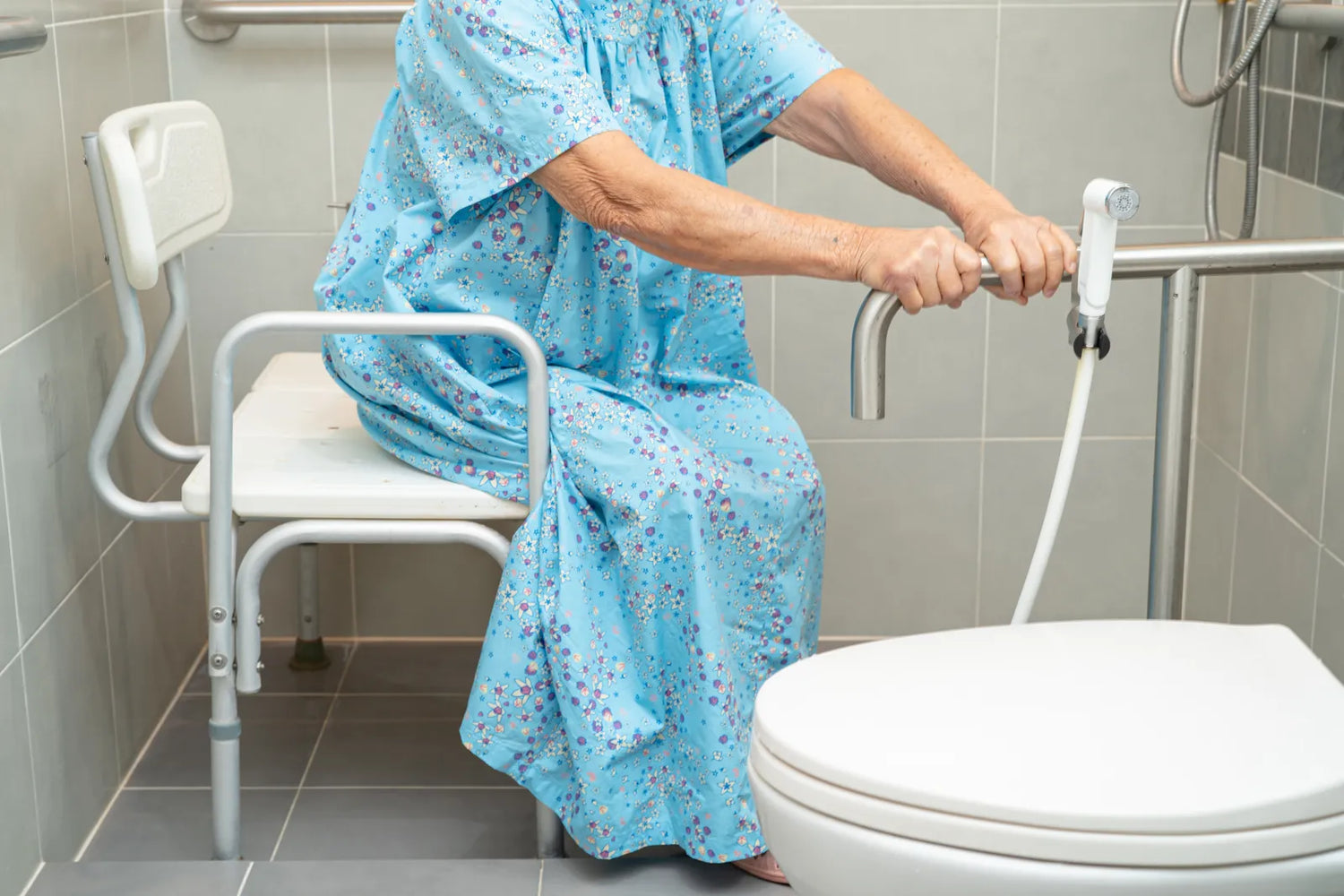
I’ve seen families focus on cleaning quality alone, but the bigger issue is often safety. Reaching to wipe can shift weight, twist the trunk, and increase fall risk, especially for someone already unsteady.
Arthritis and weak hand grip
Arthritis changes the buying decision fast.
If your parent has hand pain, finger stiffness, or weak grip, small buttons and stiff dials can be frustrating. In that case, the best bidet seat for elderly parents with limited mobility is often one with very simple controls, large buttons, and memory presets if available.
For arthritis, side-mounted manual knobs can be good or bad depending on hand strength. Some are easy to turn; some are not. A remote can be easier because it requires less force, but only if the buttons are large and clear.
Hemorrhoids and sensitive skin
For seniors with hemorrhoids, skin irritation, or frequent soreness, a bidet can be much gentler than repeated wiping with dry toilet paper. This is where adjustable water pressure bidet for sensitive senior users becomes very important.
The wrong setup can feel harsh. The right setup has low starting pressure, easy adjustment, and warm water if possible. Gentle wash matters more than fancy spray options.
Mild tech hesitation vs refusal
There is a big difference between “I’m not sure about that” and “absolutely not.”
Some older adults are hesitant for a day or two, then adapt quickly once they try it. Others reject the idea from the start. If your parent is mildly cautious but practical, a simple electric seat with one-touch wash and dry may work well. If they already get stressed by TV remotes and thermostats, a very basic non-electric bidet may be the better choice.
The key point is to match the person, not the product category.
What trade-offs matter most?
This is where most buying mistakes happen. Families compare feature lists, but the real issue is ease of use.
Electric vs non-electric
Electric vs non-electric bidet for elderly parents is the first major choice, with key hard constraints to consider.
Bidet attachments, non-electric models, and basic bidet sprayers are simpler, cheaper, easy to install, and do not need an outlet. They usually offer cold or ambient water and manual controls—ideal for seniors who want basic cleaning help, dislike technology, or have poor outlet access or unreliable power. Standalone bidets can also be a great option for larger bathrooms with dedicated space.
An electronic bidet toilet seat costs more but is better for older adults needing comfort and low-effort operation. offering warm water, heated seats, adjustable pressure, air drying, nozzle position changes, and presets. However, it requires a grounded outlet within ~3–4 feet of the toilet; during power outages, electric models lose all electronic features (warm water, dryer, controls) and may not function at all.
For most seniors with limited mobility, electric is the better long-term fit if the bathroom can support the outlet requirement. Non-electric is better when budget is tight, there is no outlet, power is unreliable, or the parent strongly prefers simple mechanical controls.
Warm features vs simpler controls
A heated bidet seat for elderly parents comfort and hygiene can be a real benefit, especially in winter or for parents with pain sensitivity. Heated water is a great feature that also tends to feel gentler than cold spray.
But warm features add cost and controls. So the question is not “are warm features nice?” Yes, they are. The question is “will this parent use them without confusion?”
For many seniors, the sweet spot is an electric seat with just a few clearly labeled functions: rear wash, gentle pressure adjustment, stop, dryer, and maybe one memory setting.
Remote control vs side panel
The best bidet toilet seat with remote control for seniors is not always the one with the most buttons. A remote helps when reaching to the side is difficult. That makes sense for seniors with shoulder pain, obesity, spinal stiffness, or very limited trunk rotation.
A side panel can be better when the parent tends to lose remotes, dislikes handheld devices, or benefits from fixed controls in one place.
Here’s what to think about:
-
Choose a remote if side reach is hard
-
Choose a side panel if visual memory and routine matter more
-
in both cases, look for large buttons, clear icons, and very few steps
Is a smart bidet worth it?
Are smart toilets and high-tech bidet seats worth it for elderly parents? Understanding smart toilet features for aging in place helps you decide if the extra technology adds real value. Sometimes, but not by default.
A “smart” model may include auto-open lids, auto flush integration, user profiles, night lights, sensors, and other extras. Those can sound helpful, but many do not change daily success for seniors.
What does matter is this: warm water, low-pressure wash, easy controls, dryer, and maybe one-touch presets.
So yes, a smart seat can be worth it if the “smart” part means easier operation. No, it is not worth it if it mainly adds complexity.
What will it really cost?
Families often underestimate the total cost because they focus on the seat price alone—total cost includes seat price, installation, maintenance, and the fact that Medicare/insurance usually won’t cover it. Seat price by feature tier Typical price ranges look like this:
| Type | Common range | Best for |
| Basic non-electric attachment or seat | $40–$150 | Budget, no outlet, simple use |
| Entry electric seat | $200–$400 | Warm water and basic senior-friendly controls |
| Mid-range electric seat | $400–$800 | Better wash control, dryer, heated seat, remote |
| Higher-end electric seat | $800–$1,500+ | Added comfort, presets, more automation |
Very cheap models may lack pressure control or comfort; very expensive models may add features your parent never uses.
Installation Costs
Installing a bidet professionally typically ranges from $100–$300(varies by local labor rates and bathroom complexity). If DIY is not an option, budget for this, plus small extras like a new supply line, shutoff valve replacement, or improved mounting (if needed). Electric models may also require adding an outlet if none is nearby—this can cost $150–$500+, depending on layout.

Medicare/Insurance Coverage
In most cases, Medicare and private insurance will not cover a bidet seat, as it is classified as a hygiene item, not durable medical equipment.
Long-Term Ownership Costs
After the first year, costs are modest. Electric models add a minor annual electricity cost (typically $10–$30, depending on use). Some models require occasional filter changes or descaling (costing $10–$20 per filter/descaling kit, as needed). Self-cleaning nozzles reduce maintenance but do not eliminate regular cleaning of the seat and toilet. A decent warranty is key for long-term reliability.
Will it fit the bathroom?
This is the most boring part of the buying process, but it prevents returns—use this concrete pre-buy compatibility checklist to ensure a fit, and make sure the bidet matches your space:
Toilet Bowl Shape
Confirm if the toilet bowl is round or elongated (guesswork causes most fit issues).

Seat Bolt Spacing
Measure the distance between the toilet’s mounting bolts to confirm the size of the videt and ensure compatibility with the bidet seat.
Clearance Behind the Seat
Check the space behind the toilet seat—unusual toilet shapes or low-profile lids may limit compatibility.
Side-Panel Reach (Small Bathrooms)
If the toilet is close to a vanity or wall, a side control panel may be hard to reach; opt for a remote as a workaround.
Water Shutoff Access
Ensure the water shutoff valve near the toilet is accessible (replace stiff/worn valves during installation if needed).
Note: For electric bidets, also confirm a grounded outlet is within ~3–4 feet (extension cords are not recommended in bathrooms). Additionally, consider transfer safety and the overall bathroom environment: a bidet seat may slightly change toilet height, so avoid models that make transfers feel less secure for parents with mobility issues—bidets do not replace grab bars or proper toilet height. Most bidets come with standard mounting hardware to make them easy to install for common toilet types.
Which features help seniors most?
When people ask what to look for in a bidet gift for elderly parents, I usually steer them away from long feature lists. Modern bidets are thoughtfully engineered, and bidets are designed to meet the unique needs of seniors. The best bidets that offer real daily value focus on simplicity, safety, and comfort, with features tailored specifically for older adults. Most seniors need four things: easy controls, gentle spray, comfort, and low upkeep. A soothing water stream can even ease mild discomfort related to constipation by encouraging relaxation.
Easy controls beat extra modes
This is the top buying rule.
The most easy to use bidet features for older adults are usually very basic: a wash button, pressure adjustment, stop button, and maybe dryer. Clear labels matter. So do memory settings and customizable settings if two people share the bathroom.
If your parent has mild vision issues, high contrast and large print help. If they have memory issues, too many choices hurt more than they help.
Gentle pressure matters most
A bidet that starts too strong can scare a first-time user and ruin the whole trial. For seniors, especially those with sensitive skin, the machine should offer gentle starting pressure and simple water pressure settings.
This is why adjustable water pressure bidet for sensitive senior users is not just a nice feature. It is one of the main buying filters.
Warm water and dryer comfort
Bidets offer intuitive water settings,heated water and warm air drying, making daily routines far more comfortable for elderly parents and reduce using toilet paper. Warm wash is especially helpful for seniors with hemorrhoids, soreness, or cold sensitivity.
The dryer helps, but families should keep expectations realistic. Air dryers often take longer than people expect. Some older adults still prefer a small amount of pat-drying with toilet paper. That is normal.
Self-cleaning nozzle benefits
Self-cleaning bidet nozzle benefits for elderly hygiene are real, mostly because they reduce maintenance worries and support cleaner operation between uses.
But “self-cleaning” does not mean zero cleaning forever. It means the nozzle rinses itself, which helps with hygiene and upkeep. You will still need regular bathroom cleaning.
What can go wrong later?
Bidets are usually low drama, but a few issues come up often enough that it is worth planning for them.
Leaks, clogs, and seal issues
Most leak problems happen at the water connection, not the seat itself. A loose fitting, worn washer, or poor seal is usually the cause. This is one reason professional installation can be worth it if nobody in the family is handy.
Some homes also notice plumbing quirks after toilet paper use drops. Less paper is usually a good thing, but very old systems can behave in unexpected ways. It is not common, but it happens.
Learning curve in week one
Even the most user-friendly bidet you choose can feel strange for seniors during the first few days.Parents may need guidance using the bidet, including where to sit, how to start with low pressure, and how long to use the dryer.
The first week matters. If a parent gets sprayed too strongly on day one, they may refuse to try again. Start gentle, stay calm, and keep the routine simple.
What happens during power outages?
This matters more than people think.
Electric bidets usually lose warm water, dryer, seat heat, and electronic controls during a power outage. Some may not work at all. Some have limited manual function, but many do not.
If your parent lives in an area with frequent outages, think carefully about whether a non-electric backup is needed or whether a non-electric model makes more sense in the first place.
Dryer noise and drying limits
Dryers are useful, but they are not magical. They can be noisy, and they often take longer than users expect. Seniors who are patient may love the feature. Others may use the wash but skip the dryer.
That does not mean the seat is a bad choice. It just means the dryer should be treated as a comfort feature, not the main reason to buy.
How do you choose the right one?
Learning how to choose the best model and selecting a bidet that fits comes down to matching the seat to the problem and elevating the overall bathroom experience. A great option will feel natural, safe, and supportive from day one.
Best match for limited mobility
If your parent cannot twist or reach well, prioritize:
-
electric operation
-
one-touch wash
-
remote or easy-to-reach control
-
warm water
-
low starting pressure
-
optional dryer
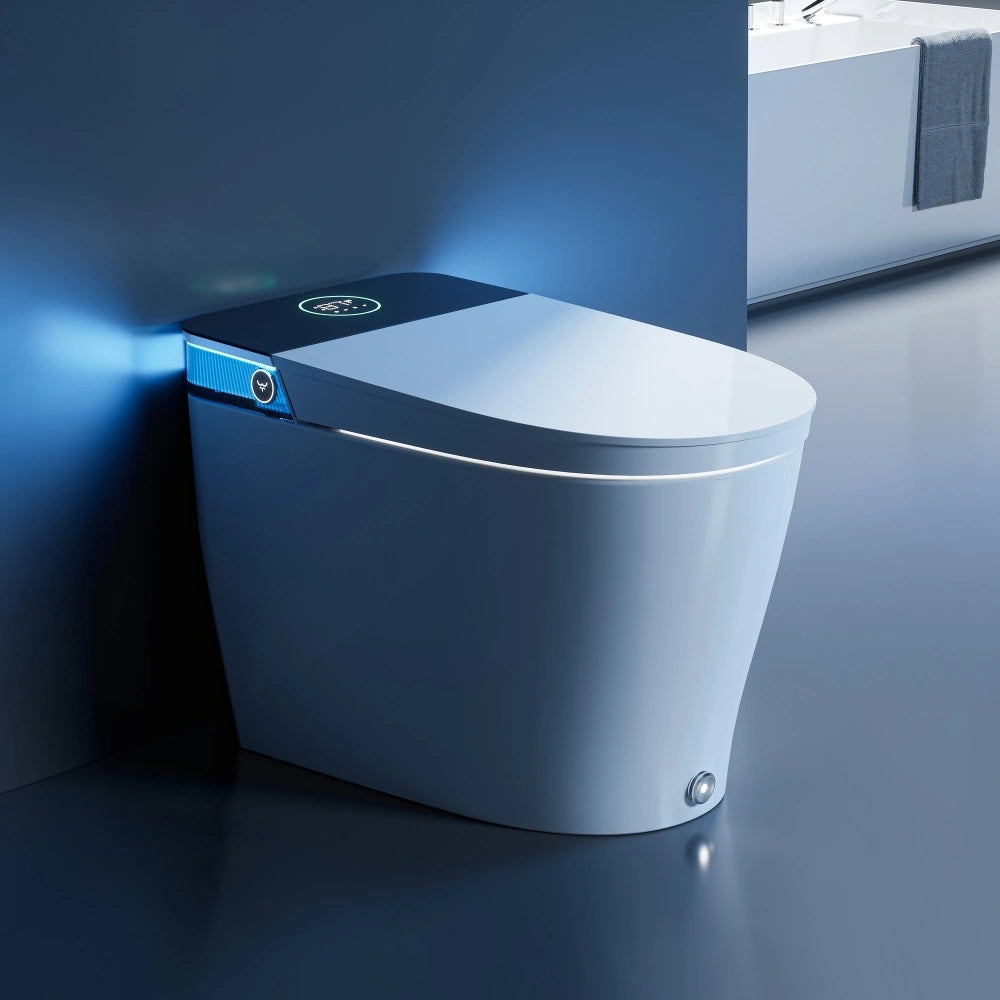
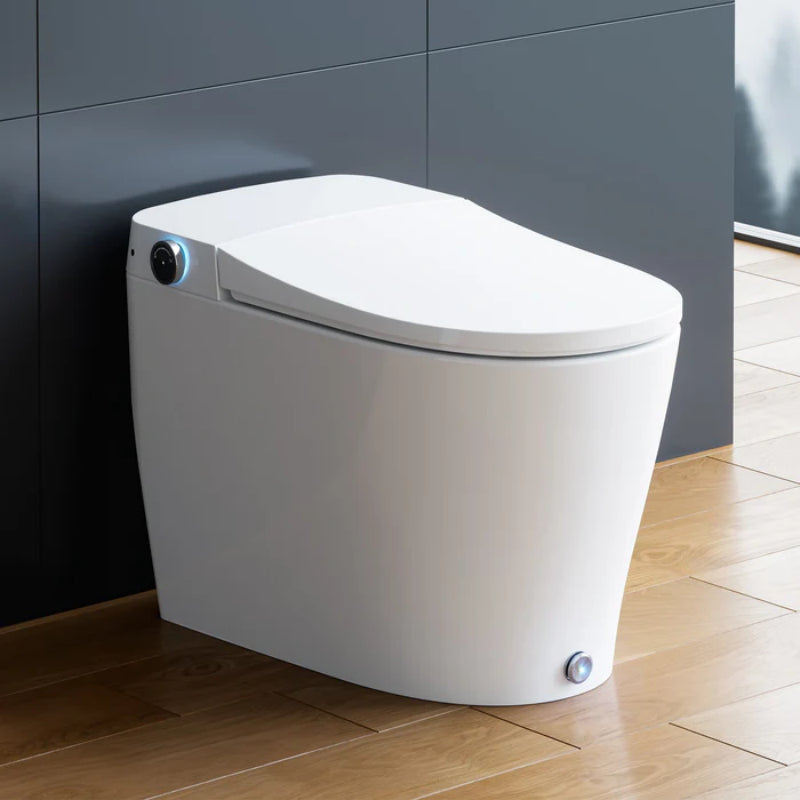
This electronic bidet toilet seat is ideal because it maximizes comfort and convenience while reducing physical effort.
Best pick for arthritis
If arthritis is the main issue, focus on hand ease:
-
large buttons
-
remote with simple layout, or very easy-turn side control
-
memory presets
-
minimal force required
-
no tiny labels or crowded controls
The best easy-to-use bidet for seniors with arthritis is the one they can operate on a bad hand day.
Best safe option for sensitive users
If skin sensitivity, hemorrhoids, or frequent irritation is the main concern, choose:
-
very gentle pressure range
-
warm water
-
adjustable nozzle position
-
simple wash options, not strong massage modes
-
self-cleaning nozzle
Safe bidet options for seniors who struggle with wiping should feel gentle first, powerful second.
Gift checklist before you buy
Before you buy, answer these questions honestly:
-
Does your parent actually want this, or are you guessing?
-
Is the problem wiping, transfers, hygiene, or all three?
-
Is there a nearby outlet if you want an electric seat?
-
Is the toilet round or elongated?
-
Would a remote be easier than a side panel?
-
Can your parent handle basic new controls?
-
Do you need professional installation?
If you can answer those clearly, the buying decision gets much easier.
Before You Buy
-
Confirm your parent is open to using a bidet.
-
Measure the toilet shape and seat bolt spacing.
-
Check for a nearby grounded outlet if buying electricity.
-
Choose easy controls over extra features.
-
Make sure pressure starts low and adjusts gently.
-
Think about transfer safety, not just washing.
-
Budget for installation, not just the seat price.
FAQs
1. Is a bidet a good gift for elderly parents?
Yes, a bidet for elderly parents gift is one of the most thoughtful and practical investments you can make—especially if wiping has become painful, difficult, or unsafe. It is especially beneficial for seniors with limited mobility, arthritis, or sensitive skin, directly addressing daily struggles caused by stiff joints, weak hand grip, or back pain that makes reaching behind difficult. A bidet eliminates the strain of twisting, bending, and scrubbing, helping seniors stay cleaner with far less effort and improve hygiene. For those with hemorrhoids or sensitive skin, a gentle spray is far gentler than dry toilet paper, reducing irritation and discomfort. This makes it one of the most safe and easy bathroom upgrades for seniors that supports independence and dignity. If your parent is open to simple new tools, a bidet truly answers why every elderly home can benefit from better hygiene and ease.
2. Can a bidet help my parents stay independent?
Absolutely—bidets are powerful for improving independence in the bathroom by reducing reliance on twisting, reaching, and manual wiping. For many older adults, the most challenging part of using the bathroom isn’t sitting or standing, but cleaning afterward, which often forces them to call on a caregiver for assistance and sacrifice privacy. A bidet lets them clean themselves with just the push of a button, no assistance required. While it doesn’t resolve all mobility challenges, it removes one of the biggest barriers to self-sufficiency. In turn, this also plays a major role in reducing caregiver burden with bidets, as less hands-on help is needed for personal hygiene tasks. By supporting independent toileting, a bidet helps seniors age safely at home while preserving their sense of independence.
3. How do smart toilets help seniors with mobility?
Smart toilets deliver meaningful smart toilet features for aging in place by minimizing physical effort and awkward movements in the bathroom. Many models include auto-lifting lids, auto-flush functions, and touchless operation, so seniors with back pain, weak knees, or limited mobility don’t have to bend or strain. Most also include built-in bidet functions with heated water and adjustable pressure, completely eliminating the need to twist or reach for wiping—ideal for those with arthritis or restricted movement. Heated seats, air dryers, and large, easy-to-press controls or remotes further improve comfort and usability. Together, these features make daily bathroom routines safer, smoother, and fully accessible, allowing seniors maintain mobility and independence without struggle.
4. What are the best bidet features for seniors?
When selecting a bidet for elderly parents gift, prioritize simplicity, safety, and comfort over fancy extras. The most valuable features support safe and easy bathroom upgrades for seniors while centering the needs of seniors. Look for large, clearly labeled buttons or easy-to-use remotes, especially for those with arthritis or weak grip. Gentle, adjustable water pressure is essential to avoid discomfort or injury, particularly for users with sensitive skin or hemorrhoids. Heated water is a great feature that adds significant comfort, especially in cooler months, while a warm air dryer reduces the need for using toilet paper and reaching. Self-cleaning nozzles lower maintenance and support better hygiene. If reaching the side panel is difficult, remote control improves usability. Ultimately, the best bidets for seniors focus on gentle operation, minimal strain, and straightforward controls—proving exactly why every elderly home needs a bidet for safety, comfort, and independence and dignity.
Referances


Leave a comment
This site is protected by hCaptcha and the hCaptcha Privacy Policy and Terms of Service apply.