
If you’re shopping for a bidet for digestive health, you’re probably looking to improve personal hygiene, comfort, and overall gastrointestinal health rather than just upgrade your bathroom for fun. Adding a bidet can make daily cleanup gentler and more supportive for your digestive routine. You’re trying to make daily life easier. Maybe you deal with IBS and too much wiping. Maybe constipation leaves you sore. Maybe Crohn’s flare-ups make cleanup hard. In those cases, the right bidet can help a lot.
The key point is simple: a bidet can improve comfort and hygiene, but it does not treat the root cause of digestive disease, this is supported by findings from a longitudinal cohort study conducted by the Department of Preventive Medicine and Public Health at Keio University and Toho University, which found no causal link between daily bidet use and new hemorrhoids. What it can do is reduce wiping irritation, make cleanup gentler during flare-ups, and in some cases help the body relax before or after a bowel movement.
That means the best choice usually is not “the most features.” It’s the model that gives you enough control to stay comfortable on bad days.
Decision Snapshot: bidet for digestive health
If you only read one section, read this one.
Best fits for flare-ups
A bidet is usually a good fit if you:
-
have IBS and wipe often enough to get raw skin
-
deal with chronic constipation and want warm water bidets that may support easier bowel movements
-
have Crohn’s discomfort and need gentler cleanup
-
have hemorrhoids and want less friction than toilet paper
-
want adjustable pressure because your comfort changes day to day
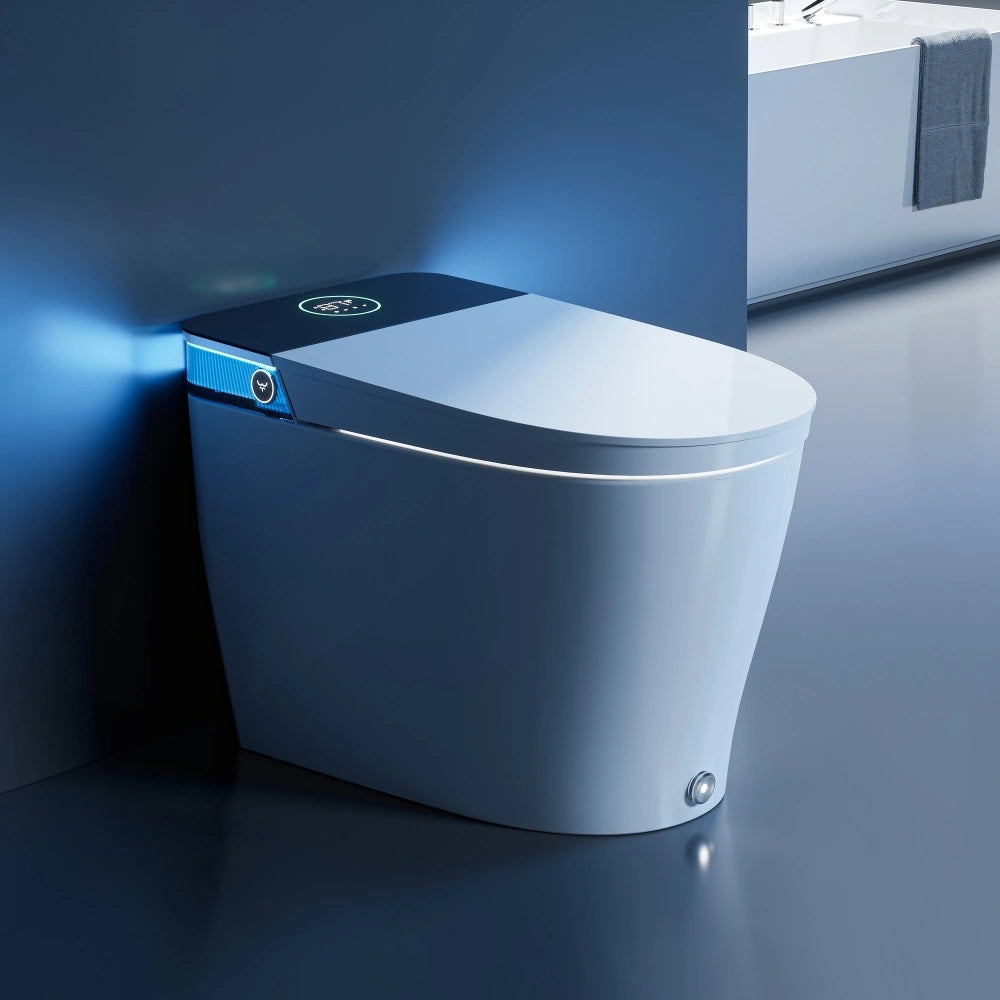
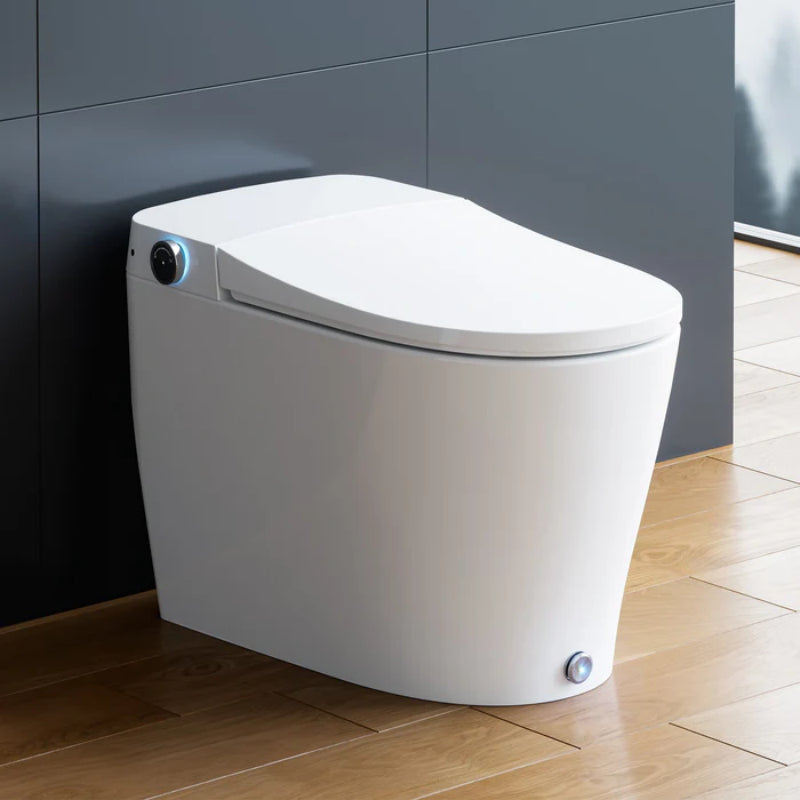
For most people with digestive symptoms, the safest first choice is the right bidet seat, usually a warm water model with adjustable pressure and nozzle position. Among options, many electric bidet seats offer these controls, making it easier to find your perfect bidet for daily comfort.
When to skip features
Some features sound helpful but are not right for everyone.
You may want to skip advanced spray modes, especially enema-style settings, if you:
-
have very sensitive rectal tissue
-
are prone to bleeding, fissures, or severe hemorrhoid pain
-
have active inflammatory flare-ups
-
tend to overuse “relief” tools when constipated
-
want a simple setup with fewer parts to clean
This is where many buyers overestimate what they need. In real homes, a plain rear wash with gentle pressure solves most comfort problems.
Regular wash vs enema wash
If you’re comparing a bidet as an enema vs a regular bidet wash for digestive health, start here:
-
Front and rear wash options: the regular rear wash is best for most people and helps with hygiene, irritation, and comfort, while front wash may benefit users needing extra cleansing.
-
Enema wash: only worth considering if you already know your body responds well to this type of gentle stimulation and your doctor has not told you to avoid it
A regular wash is easier to use well and harder to misuse. An enema setting is more niche. It can help some people with constipation support, but it can also irritate sensitive tissue if pressure is too high or use becomes too frequent.
Direct buyer rule
Who should choose regular rear wash:
-
Users with mild or no digestive issues, hemorrhoids, or fissures
-
Anyone seeking gentle hygiene and daily comfort
Who may consider enema wash:
-
Users with occasional constipation or slow bowel movements
-
Those wanting a stronger, targeted wash but have no active rectal injuries
Who should avoid enema wash altogether:
-
Anyone with active bleeding, fissures, severe hemorrhoids, or recent rectal procedures
-
Users in severe IBD flare-ups or unable to tolerate strong water pressure
Not suitable / use caution:
-
Active bleeding or fresh wounds in the anal area
-
Fissures or tears that are painful
-
Severe hemorrhoid flare-ups causing intense discomfort
-
Severe IBD (Crohn’s or ulcerative colitis) flare-ups
-
Recent rectal procedures or surgery
-
Feeling unable to go without an enema-style wash

Who benefits most from one
Digestive problems vary, but the buying decision usually comes down to one question: are you trying to improve cleanup, reduce irritation, or support easier bowel movements? The answer shapes what type of bidet makes sense.
IBS and wiping irritation
If you have IBS, the biggest benefit is often not bowel stimulation. It’s skin relief.
People with IBS may use the toilet many times a day. Constant wiping with toilet paper can start to feel like sandpaper. Many users benefit from a bidet because the gentle water spray reduces friction and irritation. In that case, a bidet can reduce toilet paper irritation for IBS sufferers because water cleans with less rubbing. You still may pat dry after, but you use far less paper and far less friction.
So, can a bidet help with IBS symptoms? It can help with the symptoms that happen during using the bathroom: soreness, stinging, raw skin, and the stress of repeated cleanup. It does not stop IBS itself, but it can make flare-ups easier to manage.
The best setup for IBS is usually:
-
gentle to medium-low pressure
-
warm water if your body relaxes with warmth
-
adjustable nozzle range
-
easy controls, because you may be using it often
If you have urgent bowel movements, avoid seats with slow warm-up water or complicated controls. You want something simple and ready.
Chronic constipation and hard stool
This is where buyers often ask: can a bidet help with constipation relief? Sometimes, yes.
Research suggests that warm water can help relax muscles around the anal area. This is one way to relieve constipation, as the spray may help loosen stool and stimulate bowel movements. Many users find this gentle support helps alleviate constipation without straining. That may make it easier to pass stool with less straining. This is the reason many people look into how warm water bidets may support easier bowel movements.
There’s an important distinction, though. A bidet may support the process. It does not fix constipation caused by diet, medication, pelvic floor issues, or medical conditions.
Still, if your main problem is hard stool and straining, a bidet with these features can help most:
-
warm water
-
steady low-to-medium pressure
-
a rear wash that can be aimed well
-
a seat you can use before or after trying to go
Many users find that a minute of warm, gentle spray before a bowel movement helps the area relax. That’s why people ask, does a warm water bidet help relieve hard stool discomfort? For some, yes. The comfort comes from warmth, reduced wiping, and less straining after the fact.
Crohn’s discomfort and gentle cleanup
People with Crohn’s often need gentle handling more than “power.” A bidet may even help with constipation in mild cases. Following doctor advice on bidet for digestion ensures that you stay safe during flare-ups.
So, can a bidet help with Crohn’s disease discomfort? It can help with external discomfort from frequent bowel movements, soreness, and irritation from wiping. During flare-ups, skin can be very sensitive. Water is often easier to tolerate than repeated dry paper.
In this group, pressure control matters a lot. High pressure may feel too harsh. A soft, warm wash is usually the better choice.
If you have Crohn’s and are choosing between attachment and seat, a seat usually wins if the budget allows. Here’s why: the finer control of pressure and nozzle position tends to matter more than getting the cheapest option.

Is it worth it for hemorrhoids?
For many people, yes.
If you’re asking, is a bidet safe for hemorrhoids and digestive issues, the answer is usually yes when used gently. In fact, it’s often better than heavy wiping, which can make pain and swelling worse.
What helps most:
-
low pressure at first
-
warm water if available
-
short cleaning sessions
-
patting dry instead of rubbing
What hurts most:
-
turning pressure too high right away
-
prolonged spraying
-
using an enema mode on irritated tissue
If hemorrhoids are part of your constipation cycle, a bidet can help break the “strain, wipe, irritate, repeat” pattern.
Key trade-offs before you buy
This is where the real buying choice happens. Not in marketing claims. In trade-offs.
Warm water vs cold water
If digestive comfort is your reason for buying, warm water is usually worth paying for.
Cold water attachments can still improve hygiene, and many people adapt to them. But when you’re dealing with constipation, cramping, hemorrhoids, or soreness, warm water tends to feel much easier on the body.
That said, not everyone needs it. If your main problem is frequent wiping after loose stools, even a basic attachment may help enough.
Rule of thumb:
-
choose warm water if comfort and relaxation matter most
-
choose cold water if budget matters most and your symptoms are mostly about cleanup, not muscle tension
Strong spray vs sensitive comfort
A lot of shoppers assume stronger spray equals better cleaning. For digestive issues, that’s often backward.
The question is really what water pressure is best for sensitive digestive conditions. In most cases, low to medium-low pressure is best to start. You can always increase if needed. You can’t undo irritation from a harsh first try.
A useful bidet for digestive health should have a wide comfort range, not just “power.”
Attachment vs full seat
When comparing bidet attachments vs bidet toilet seats for digestive health needs, here’s what usually matters in real homes:
Attachments are cheaper and simpler. Seats give more control.
Attachments are often enough if:
-
your main goal is less wiping
-
your budget is tight
-
you don’t need warm water or fine pressure control
-
more than one person in the home wants something simple
Seats are better if:
-
you have IBS, Crohn’s, hemorrhoids, or chronic constipation
-
your comfort changes day to day
-
you need warm water
-
you care about nozzle range and gentler spray steps
For digestive comfort, full seats are usually the better long-term buy if you can afford one.
Compact decision table
| Feature | Best for | Not ideal for | Main compromise |
| Warm vs Cold Water | Comfort seekers, sensitive skin | Users wanting simple cold wash | Warm water uses more energy, may require outlet |
| Strong Spray vs Sensitive Comfort | Occasional constipation, enema users | Sensitive skin or hemorrhoids | Strong spray can be uncomfortable for delicate tissue |
| Attachment vs Full Seat | Budget-conscious or easy install | Those wanting advanced features | Seat replacement may need full seat wiring |
| Regular Wash vs Enema Function | Daily hygiene, gentle wash | Users with rectal injuries, severe IBD | Enema function is stronger, can irritate if used incorrectly |
Will an enema function help?
This is the feature people overthink.
A bidet with enema function for constipation support may help some users trigger a bowel movement or reduce straining. But it’s not something everyone should use casually.
If you’re asking, when a bidet enema function may not be suitable for bowel issues, the answer includes:
-
active hemorrhoid flare-ups
-
rectal bleeding
-
fissures
-
inflamed tissue
-
severe IBD flare-ups
-
situations where you find yourself relying on it daily to go
For many shoppers, a warm regular wash gives enough relief without the extra risk of irritation or dependency habits.
Cost and feature tiers
Price matters, but feature fit matters more.
Budget attachments and their limits
Budget attachments usually give you:
-
cold water
-
basic rear wash
-
simple pressure knob
-
manual nozzle cleaning in some cases
They are a fair choice if your main goal is cleaner, gentler hygiene. They can still help during IBS-related wiping irritation.
Their limits show up when symptoms are more complex. If you need warmth, very fine pressure changes, or a wider nozzle range, budget attachments can feel crude.
Mid-range seats with better control
This is often the sweet spot for digestive needs.
Mid-range seats usually add:
-
warm water
-
multiple pressure levels
-
better rear wash adjustment
-
self-cleaning nozzles
-
heated seat in many cases
If you want the best bidet seat features for people with IBS or chronic constipation, this tier is where practical comfort often starts to improve in a noticeable way.
Premium features that change comfort
Premium models may include:
-
more precise nozzle positioning
-
wider spray pattern choices
-
instant warm water
-
user presets
-
air drying
-
better remote controls
Some of those are real comfort upgrades. Some are just convenience. For digestive health, the upgrades that truly matter are the ones that improve consistency and gentleness.
Which features matter most
If I had to narrow it down, the most useful features are:
-
adjustable pressure with very low starting levels
-
warm water
-
rear wash and nozzle position settings for digestive comfort
-
self-cleaning nozzles
-
simple controls you can use during a rough day
Air dryer, night light, and fancy presets are nice, but they are not what makes the decision.
Fit and installation realities
A bidet that doesn’t fit your toilet or bathroom is not a good buy, no matter how helpful the features look.
Feasibility checklist:
-
Check if toilet is round or elongated for proper fit
-
Ensure outlet is available for heated seat or power functions
-
Verify water pressure is sufficient and stable
-
Measure clearance: tight spaces may prevent full-seat installation

Toilet shape and seat fit
Before buying, check whether your toilet is round or elongated. Also measure the bolt spacing and available space around the seat area.
Many returns happen because people buy based on features first and fit second.
If digestive comfort is your goal, a poor fit matters even more. A seat that shifts, sits too far forward, or doesn’t match the bowl well can feel awkward during use.
Outlet needs for heated models
Warm water bidet seats usually need a nearby electrical outlet. If your bathroom doesn’t have one, adding safe power may raise the total cost more than you expected.
This is one reason some homeowners start with an attachment and later upgrade.
Water pressure at home
Your home’s water supply affects how the bidet feels. If pressure is already low, even a good bidet may feel weak. If pressure is high, the low settings become more important.
So if you’re worried about what water pressure is best for sensitive digestive conditions, make sure the bidet gives you enough adjustment to tame whatever your house already delivers.
Small bathroom concerns
In a small bathroom, remote controls, side panels, and seat bulk can matter more than you think. Measure clearance, especially if the toilet sits close to a vanity or wall.
A simpler side-control unit may actually be easier than a loose remote in a tight space.
Bidet seat features for digestive health
Features only matter if they solve a real comfort problem.
Adjustable pressure
This is the single most important feature.
If your symptoms change by the day, you need a bidet that can go very gentle. During flare-ups, a pressure setting that felt fine last week may feel too strong today.
For first-time users with digestive issues, start low. Always.
Rear wash and nozzle range
Good rear wash and nozzle position settings for digestive comfort make a big difference. If the spray lands too far off, users tend to turn pressure up to compensate. That often causes more irritation.
A bidet that lets you move the spray slightly forward or back is much easier to live with.
Warm water and relaxation
This is where many constipation-focused buyers see the most value.
If you want to know how warm water bidets may support easier bowel movements, the basic idea is simple: warmth can help the area relax, and less tension may mean less straining.
Again, this is support, not treatment. But if constipation leaves you tight and uncomfortable, warm water is one of the few bidet features that can affect how the experience feels before, during, and after a bowel movement.
Self-cleaning nozzles
Digestive flare-ups often mean more frequent bathroom use. So hygiene matters.
A self-cleaning nozzle does not make the unit maintenance-free, but it does reduce some of the daily worry. It’s one of the more useful practical features if you’re focused on how a bidet improves hygiene during digestive flare-ups.
Safe use and daily comfort
A bidet can help, but safe use matters more than people think.
Best starting pressure
If you’re new to bidets and have digestive symptoms, start at the lowest setting that reaches the area. Use that for a few days before changing anything.
The safest first approach is:
-
low pressure
-
short wash time
-
warm, not hot, water
-
pat dry gently
If it stings, feels too sharp, or leaves you sore after, back off the pressure and shorten the spray time.
How often to use it
For regular rear wash, daily use is fine for most people. Many use it after every bowel movement.
The problem is not frequency by itself. The problem is intensity. Ten seconds of gentle cleaning is very different from long, forceful spraying several times a day.
During flare-ups
People often ask how a bidet improves hygiene during digestive flare-ups. The practical answer is that it lowers friction when the area is already irritated.
During a flare-up:
-
lower the pressure more than usual
-
choose warm water if tolerated
-
keep sessions short
-
avoid “deep cleaning” habits
-
pat dry with soft paper or a clean cloth
This is especially important for IBS, Crohn’s, and hemorrhoids.
When enema settings are unsuitable
This deserves a clear warning.
If you are considering a bidet enema vs regular bidet wash for digestive health, remember that the enema-style feature is not a harmless add-on for everyone.
It may be unsuitable if:
-
you have pain with bowel movements
-
you notice blood
-
you have recent rectal procedures
-
your doctor has warned you about inflammation or tissue fragility
-
you begin to feel like you “can’t go” without it
If any of that sounds familiar, stick with a regular wash and speak with a medical professional before using enema settings.
Maintenance and long-term ownership
A bidet should make life easier, not add a second chore list.

Cleaning nozzles and spray area
Even with self-cleaning nozzles, maintaining good hygiene means wiping down the exterior parts regularly and following the unit’s cleaning directions. If multiple people use the toilet, this matters more.
For digestive-health buyers, the practical issue is confidence. You want to know the unit stays clean between uses.
Hard water care
If you live in a hard water area, mineral buildup can affect spray quality over time. This is one of the hidden ownership issues people don’t think about.
Descaling intervals depend on your water, but if the spray weakens or gets uneven, mineral deposits may be the cause.
Power and hidden costs
Electric seats cost more upfront and add some power use. If they have filters or deodorizer cartridges, those may need replacing.
Most people focused on digestive comfort still find warm water and better controls worth it. But it’s smart to know the real long-term cost before buying.
When symptoms need medical care
This article is about choosing the right bathroom tool, not replacing treatment.
A bidet may help with comfort, cleanup, and less irritation. It does not cure constipation, IBS, Crohn’s disease, hemorrhoids, fissures, or bowel dysfunction.
Get medical advice if you have:
-
ongoing constipation
-
blood in stool or bleeding from the area
-
severe pain
-
unexplained weight loss
-
worsening diarrhea
-
new bowel changes that last
If your symptoms are escalating, the right bidet can still help day to day, but it should not delay care.
Which type should you choose?
Here’s the short version.
Choose a basic attachment if your main problem is wiping irritation and your budget is tight.
Choose a warm water seat with adjustable pressure and nozzle position if you have IBS, chronic constipation, Crohn’s discomfort, or hemorrhoids and want the safest, most flexible comfort.
Choose an enema-capable model only with caution if constipation support is your focus and you understand that this feature is not ideal for sensitive, inflamed, or easily irritated tissue.
For most homeowners buying a bidet for digestive health, the smartest first decision is a mid-range warm water seat with gentle controls. It solves the most common problems without pushing you into features you may not use well.
Before You Buy
-
Check if your toilet is round or elongated.
-
Confirm whether you have a nearby outlet for a heated seat.
-
Prioritize adjustable low pressure over high-pressure claims.
-
If you have IBS or Crohn’s, choose better nozzle control over extra spray modes.
-
If constipation is your main issue, warm water is usually worth the extra cost.
-
Be careful with enema functions if you have hemorrhoids, fissures, bleeding, or active inflammation.
-
Plan for basic cleaning and possible descaling if you have hard water.
FAQs
1. Can a bidet help with IBS symptoms?
Absolutely! Using a bidet for digestive health can make a noticeable difference for people with IBS. The gentle water stream reduces irritation that comes from wiping, which helps during flare-ups. Many people find that bidet use for IBS and Crohn’s disease eases discomfort, decreases skin irritation, and makes bathroom trips less stressful. It’s like giving your digestive system a little “supportive break” after a tough bowel movement.
2. Is a bidet good for people with Crohn's?
Yes, a bidet can be very helpful for those with Crohn’s disease. Crohn’s can make the anal area sensitive or inflamed, and wiping alone can be painful. A bidet’s soft water spray cleans gently, which helps in relieving discomfort with warm water. Some users even notice it improves hygiene and reduces infection risks, supporting long-term gut comfort.
3. Does warm water spray help with constipation?
Definitely! Warm water can relax the anal sphincter and surrounding muscles, which makes stimulating bowel movements with water easier. Using a bidet with warm water is like giving your colon a gentle nudge, helping stool pass more smoothly and reducing straining. Pairing this with a few minutes of gentle sitting can really enhance the effect.
4. Can a bidet improve my overall gut health?
Indirectly, yes. A bidet promotes cleanliness and reduces irritation, offering hygienic benefits for gut health. Less discomfort around bathroom habits can lower stress, which is important because stress often worsens digestive symptoms. Over time, this gentle approach can support overall gut wellness.
5. How to use a bidet for therapeutic relief?
Start slow: adjust water temperature and pressure to what feels comfortable. Position yourself so the water hits the area you want to soothe. For IBS, Crohn’s, or constipation, sitting on the bidet for a few minutes can help relax muscles and clean gently. Following doctor advice on bidet for digestion can be useful, especially if you have specific medical concerns. Consistency helps—making it part of your routine turns it into a mini self-care ritual for your gut.
6. What bidet settings are best for digestion?
Generally, improving bathroom routine for wellness involves using warm water with moderate pressure. Pulsating or oscillating modes can stimulate gentle movement in the anal area, while too strong a spray might irritate sensitive tissue. Adjusting the nozzle angle and timing makes the experience comfortable and therapeutic, not just hygienic.
Reference


Leave a comment
This site is protected by hCaptcha and the hCaptcha Privacy Policy and Terms of Service apply.