



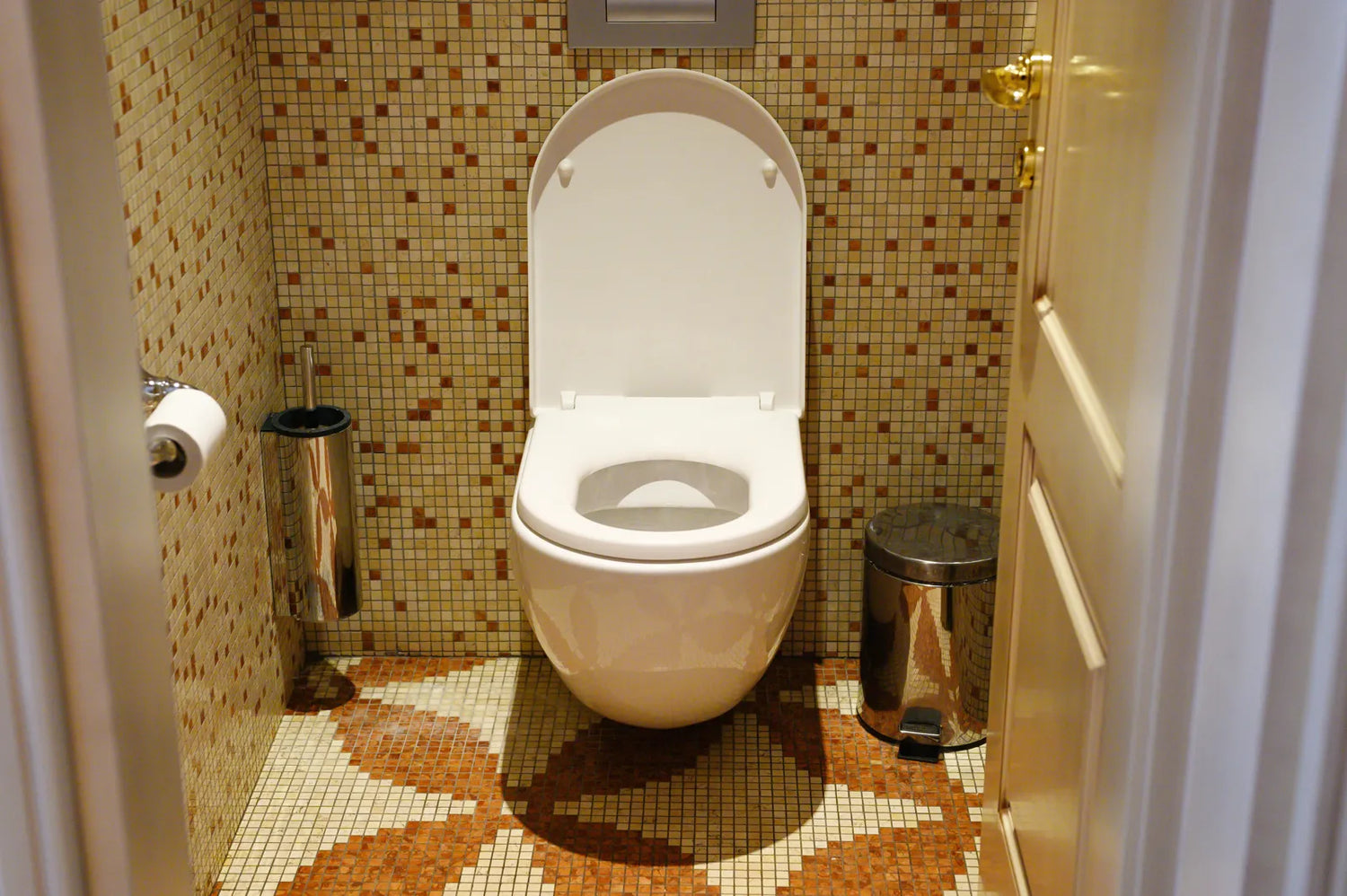
For most people, the best toilets for tiny houses are composting toilets if the home is off-grid or has no sewer hookup, and compact flushing toilets if the home has reliable plumbing and more than one regular user. If you want the least water use and smallest plumbing burden, choose composting. If comfort for kids, guests, or full-time family use matters most, choose a compact flushing toilet. If you move often, choose dry flush. If you want ash-only waste and have strong power access, choose incinerating.
Tiny house toilets are not one-size-fits-all. The right pick depends less on “best model” and more on your water, power, venting, mobility, and tolerance for maintenance.
Tiny house bathrooms force honest choices. In a standard home, a toilet is simple: connect it and forget it. In a tiny house, your toilet affects layout, tank size, odor control, travel weight, waste handling, and even whether guests feel comfortable using the bathroom.
That is why this guide focuses on type first. Before you compare products, you need to know which toilet system fits your living style. A great toilet for an off-grid solo owner can be the wrong choice for a family of four. A standard flush toilet may feel best on day one, but become a headache if your black tank fills every few days.
Here’s what usually matters in real homes: how many people use it, where the waste goes, how often you want to deal with that waste, and whether your home is parked or moved often.
Decision Snapshot
Choosing the best toilets for tiny houses depends on your living arrangement, plumbing setup, toilet uses, and daily maintenance preference, whether you live full-time in a stationary tiny home or an RV-style mobile unit. Below is a clear breakdown to help you pick the right fixture for your best tiny house layout and lifestyle.
Best for solo or couples
If you live full-time in a stationary tiny house and want self-contained toilets for tiny houses without sewer hookup, start with using a composting toilet. It saves water, avoids complicated blackwater work and optimizing small-scale residential plumbing, and often fits the smallest bathroom footprints while safely containing solid and liquid waste for easy deposit and compostable breakdown.
Better alternative for kids or guests
If children, older adults, or frequent guests will use the toilet, a compact flushing toilet is usually the safer choice. It is more familiar, easier to explain, handles regular toilet paper well, and less likely to be used the wrong way, making it far more practical than testing incinerating vs smart toilets for tiny house in high-traffic use cases.
Choose waterless if hookups are absent
If your home has no sewer connection and limited water storage, choose a waterless option first: composting, dry flush, or incinerating. This is usually the best answer for how to choose a toilet for off-grid tiny house and RV living. Many DIY tiny house owners rely on these waterless designs, which use heated air and a fan constantly to dilute odor and prevent smell buildup in tight spaces.
Choose standard-style if upkeep matters most
If your top priority is easy day-to-day use and less direct waste handling, choose a compact flushing toilet. You will need basic plumbing or tank management, but the toilet itself is simpler to live with and requires far less hands-on routine than maintaining waterless composting setups long-term.
Best toilets for tiny houses vs alternatives
The best toilet for a tiny house is often the one that creates the fewest problems after move-in. Here’s how the main options compare in real use.
Composting vs flushing
A composting toilet wins when plumbing is limited, water is scarce, and space is tight. It avoids blackwater systems and can work well for one or two adults who do not mind weekly maintenance.
A flushing toilet wins when comfort and normal use matter more than water savings. If your tiny home has standard plumbing, RV-style hookups, or a practical holding tank setup, flushing is easier for most households.
This is the core choice behind traditional toilet vs composting toilet for a tiny house. The trade-off is simple: composting saves water and space, flushing saves effort and confusion.
Composting vs dry flush
Dry flush toilets are closer to a “flush feel” without plumbing. That sounds great, and for mobility it often is. But cartridge costs add up. For occasional use, travel, or short stays, dry flush can make sense. For full-time living, composting usually costs less over time.
If you are comparing tiny house toilet options for full-time living, composting usually beats dry flush on ongoing cost. If you move often and want portability, dry flush is the easier fit.
Composting vs incinerating
Incinerating toilets reduce waste to ash. That is appealing if you really want to avoid handling solids. But they need serious energy, cost more to buy, and are slower between uses. For one or two low-volume users with dependable power, they can work. For a busy household, they often feel too slow and too expensive.
This is the real answer to composting toilet vs incinerating toilet for tiny house living: composting is more practical for most tiny homes, while incinerating is a niche solution for low-use off-grid setups with extra power.
Comparison table: fit, upkeep, total cost
| Toilet type | Best fit | Upfront cost | Ongoing cost | Installation | Space use | Maintenance | Comfort and usability |
| Composting | Off-grid solo or couples, stationary homes | High | Low to moderate | Moderate; needs venting, often power for fan | Very compact | Weekly to monthly waste handling | Fine once learned, less intuitive for guests |
| Compact flushing | Tiny homes with plumbing, families, guest use | Low to moderate | Moderate; water, dumping, plumbing | Moderate to high; needs drain or tank | Compact but needs plumbing room | Routine cleaning, tank management | Most familiar and easiest for most people |
| Dry flush | Mobile tiny homes, travel, short-term use | Moderate to high | High; cartridges/liners | Easy; minimal plumbing | Compact | Cartridge changes, trash disposal | Familiar feel, simple to use |
| Incinerating | Niche off-grid setups, low-volume use | Very high | Moderate to high; power/fuel | Moderate; power and venting matter | Compact unit, no tank | Ash disposal, cycle management | Convenient waste result, slower between uses |
The key point is this: there is no perfect tiny house toilet. There is only the option whose trade-offs fit your daily life.

Key differences that actually matter
Many guides stop at “uses water” or “doesn’t use water.” That is not enough. Here’s what actually changes your buying decision.
How many people will use it?
This is the first filter.
If one adult uses the toilet most of the time, nearly any type can work. Composting becomes much more realistic because waste builds slowly, maintenance is manageable, and odor control is easier.
If three or more people use it daily, or if kids are involved, compact flushing toilets for tiny houses with small bathrooms often become the better fit. Why? Because children and guests do not always separate waste well, do not always follow instructions, and usually care more about “flush and done” than process.
This is one of the most common buying mistakes: choosing a composting toilet for a high-use household because it sounds ideal on paper.
Can your layout fit tanks or vents?
A tiny house toilet is not just a toilet. It is a system.
A flushing toilet needs supply lines, waste routing, and often tank capacity. If your layout leaves no room for blackwater storage or drain slope, a regular flush setup may be harder than expected.
A composting toilet needs venting. That sounds minor, but venting space can kill composting as a choice if your wall or roof path is awkward. Poor vent routing leads to weaker odor control and lower user satisfaction.
Dry flush units need less fixed infrastructure, which is part of their appeal in mobile layouts.
Incinerating units need safe venting and enough power. If your electrical system is already tight, this can be the deciding factor.
Are you okay handling waste weekly?
This is the question many buyers avoid. You should not.
Composting toilets work best for owners who can handle a simple but regular routine: emptying solids, managing urine, keeping the mix right, and cleaning the unit. For some people, that is no big deal. For others, it becomes the thing they dislike most about tiny living.
Dry flush removes some of that direct handling, but replaces it with cartridges, bagged waste, and recurring purchases.
Flushing toilets reduce hands-on waste contact, but you still have to dump or pump out tanks if you are not tied into a sewer.
Incinerating reduces waste handling the most, but shifts the burden to time, energy, and cost.
So ask yourself a plain question: would you rather manage solids directly, manage cartridges, manage tank dumping, or pay more for ash output? Your answer points to the right type.
Will power or water run short?
This is where water-saving toilets for tiny houses with limited tank capacity matter.
If your fresh water tank is small, a flush toilet can become annoying fast. Even efficient units still use water, and in tiny homes every gallon counts. That is why many off-grid owners move toward composting or dry flush systems.
If electricity is limited, incinerating may be unrealistic. Some composting toilets also use a fan, but the power draw is usually much lower.
If both water and power are constrained, composting is often the most practical middle ground.
What gets expensive after year one?
People often compare purchase price and stop there. That misses the real cost.
A cheap flush toilet may lead to expensive plumbing work, dumping fees, and larger water use.
A dry flush toilet may be easy to install but costly over time because of cartridges.
A composting toilet may cost more up front, but can be cheaper after year one if you use it full-time and maintain it well.
An incinerating toilet often stays expensive because the high purchase price is only part of the story.
For easy-to-maintain toilets for micro-living spaces, cost and maintenance are linked. A toilet that seems low-hassle may become high-hassle if its operating costs force you to stretch service intervals or change how you use it.
When best toilets for tiny houses win
Finding the best toilets for tiny houses fits your layout, plumbing, and daily toilet uses perfectly.
You have no sewer hookup
This is the biggest reason composting toilets lead so many tiny house recommendations. If there is no sewer hookup and you do not want a large black tank, composting removes a major infrastructure problem.
That is why they rank highly among best toilet options for tiny houses with limited plumbing. They let you avoid much of the small-scale residential plumbing complexity that a flush system needs.
You need the smallest footprint
Space matters twice in a tiny bathroom: the toilet must fit, and the room must still be usable around it.
Many composting and dry flush units are easier to place in tight layouts than standard toilets with full rough-in needs. If your bathroom is narrow, under-stairs, or squeezed beside a shower, these space-saving toilet ideas for tiny house bathroom layouts become important.
That said, some compact flushing toilets are also very small. If you have standard plumbing, a compact one-piece or short-projection model can fit better than many people expect.
You want water-saving full-time use
For off-grid full-time living, waterless systems solve more than one issue at once. They reduce fresh water demand, lower blackwater needs, and can simplify winter use in cold climates.
This is why composting remains one of the strongest answers for water-saving toilets for tiny houses with limited tank capacity.
You can manage odor and solids
Tiny house toilets that control odor and solid waste well are usually the ones matched to the right user. A composting toilet can be nearly odor-free when vented well and maintained properly. But “can be” matters. If you skip maintenance or install poor venting, the result changes fast.
In short, the best toilet wins only when you can live with its routine.

When another toilet makes more sense
Choosing the best toilets for tiny houses supports full-time living and avoids costly system breaking issues.
Regular flushing feels non-negotiable
Some buyers try to talk themselves into a composting toilet because it seems like the “tiny house way.” Then they regret it.
If flush comfort matters a lot to you, or if your partner is already uneasy about a non-flush toilet, choose a compact flushing unit if your plumbing allows it. This is especially true for full-time homes parked on land with septic, sewer, or reliable dump access.
This also answers a common question: Can you put a standard toilet in a tiny house? Yes, sometimes. But only if the layout, drain path, venting, water supply, and waste management all support it. In many tiny homes, a compact flush toilet is more practical than a full standard residential unit.
Guests and kids will use it
A toilet that needs instructions is rarely the best guest toilet.
For kids, simplicity matters even more. Misuse, poor aim, excess paper, and rushed bathroom visits all push many families away from composting and toward flushing.
If this is your situation, focus on best compact toilets for tiny homes with standard plumbing rather than waterless systems.
You move often and need portability
Dry flush toilets fit this case well. They are among the most practical self-contained toilets for tiny houses without sewer hookup when the house moves often or doubles as an RV-like setup.
They are not usually the best long-term value, but they are simple to live with on the road. If mobility matters more than yearly operating cost, dry flush deserves a close look.
You want less waste handling
If direct solids handling is a deal-breaker, skip composting. If tank dumping sounds easier than emptying solids bins, a flush setup may feel better. If both sound bad and power is available, incinerating may be worth the premium.
This is also where people ask about smart toilet vs composting toilet for tiny houses. In practice, a smart toilet is rarely the right tiny house answer unless you have full plumbing and power and simply want comfort features. It does not solve the basic tiny house problems of water, waste routing, and tank limits. A composting toilet often makes more sense off-grid; a compact flushing toilet makes more sense on-grid. “Smart” is usually a comfort upgrade, not a system solution.
Installation limits that change the choice
Installing the best toilets for tiny houses needs careful layout and plumbing limit checks.
When a regular toilet is not suitable
A regular toilet is not suitable for a tiny house when any of these are true:
-
there is no sewer or septic connection
-
black tank capacity is too small for your use
-
Insufficient capacity leads to frequent emptying requirements.
-
System upgrades may be needed for long-term use.
-
-
floor framing cannot support the plumbing route you need
-
drain slope is poor
-
winter freezing is a concern
-
the bathroom footprint is too tight for proper clearances
This is why when a regular toilet is not suitable for a tiny house is such an important buying question. The issue is rarely the bowl itself. The issue is the support system behind it.
Venting space can kill composting
Buyers often assume a composting toilet is “plug and play.” It is not. Good venting is part of what makes it work. Without a clean vent route and proper fan operation, odor control drops and the tiny bathroom feels much smaller very quickly.
Before buying, physically map the vent path. If the route is awkward or likely to leak, your “best” toilet may stop being composting.
Tank weight can ruin mobility
This matters for flushing toilets in movable tiny homes. Water is heavy, and waste is heavy. A black tank setup may feel fine while parked, but become a burden when towing weight and balance matter.
If your home will travel often, think beyond bathroom comfort. Ask what that comfort costs in weight, dump logistics, and layout flexibility.
Small-scale plumbing may block upgrades
Many tiny homes use simplified or custom plumbing layouts. That can make future toilet changes harder than expected. A bathroom designed around composting may not easily accept a flush toilet later. A flush layout may leave little room for a larger self-contained unit.
This is one of the overlooked tiny house toilet installation considerations for small-scale residential plumbing. Buy for the home you have, but also consider whether you might change use later from weekend stays to full-time living.

Select the Right Toilets for Your Tiny House Lifestyle
Picking the best toilets for tiny houses aligns perfectly with your daily living and usage needs.
What is best for your situation?
If you want the clearest answer, use this rule:
Choose composting if you are off-grid, have one or two regular users, want to save water, and do not mind scheduled maintenance.
Choose compact flushing if your tiny home has real plumbing access, you want the easiest learning curve, and family or guest comfort matters most.
Choose dry flush if you move often, want a waterless toilet with simple installation, and can accept higher supply costs.
Choose incinerating if you are a low-volume user with dependable power and want the least solid waste left behind.
That is the decision most buyers need.
Best-rated compact toilets for 2026
If you are shopping by year, the “best-rated” compact toilets for 2026 will usually fall into two buckets: compact flushing toilets and composting toilets. The top-rated flushing choices tend to be short-projection units that fit tight bathrooms while still using familiar flush operation. The top-rated composting choices tend to be urine-diverting, fan-vented units with proven odor control and straightforward emptying.
How should you use ratings? As a filter, not a decision-maker. In tiny homes, the wrong toilet type with great reviews is still the wrong toilet. First choose the system. Then compare dimensions, seat height, emptying method, vent path, water use, and service support.
Why compact flush models are often a top choice
Many tiny house owners end up happiest with compact flush models when standard plumbing is available because these toilets solve the human side of bathroom use. They are easy for guests, easy for resale appeal, and easy for full-time family routines. A well-designed compact flush toilet can use less space than many people expect while avoiding the daily behavior changes required by composting systems.
If you keep hearing that a certain compact toilet line is a top choice for tiny house owners, the reason is usually simple: short depth, efficient flush, and standard use. In real homes, that combination matters more than fancy features.
Final Verdict
Most tiny homes should start by asking one question: do you have practical plumbing or not? If the answer is no, choose a composting toilet unless you travel often or hate waste handling. If your tiny house has reliable plumbing and more than two frequent users, choose a compact flushing toilet because it is easier for family life, guests, and everyday comfort.
Travelers should lean dry flush because portability and easy setup matter more than long-term cartridge cost. Incinerating toilets fit a narrow group: low-use owners with strong power who want ash instead of solids. For most people, composting is the best off-grid answer and compact flushing is the best on-grid answer.
Before You Buy
-
Measure the bathroom twice, including door swing and knee space.
-
Confirm where waste will go: sewer, septic, black tank, trash, compost path, or ash disposal.
-
Check fresh water capacity before choosing any flushing toilet.
-
Map venting routes before buying a composting or incinerating toilet.
-
Be honest about who will use it: solo, couple, kids, guests, or older adults.
-
Ask how often you are willing to empty, dump, or replace waste containers.
-
Think about weight travel if the tiny house moves often.
-
Price the toilet over two years, not just at purchase.

FAQs
1. What is the best toilet for a tiny house?
For most off-grid tiny houses, a composting toilet is the best starting point, while compact flushing toilets suit homes with standard plumbing or family use; these are top options among the best toilets for tiny houses. A self-contained composting toilet with a urine diverter controls odor and simplifies solid waste management for full-time micro-living.
2. Do tiny houses need special plumbing?
Tiny houses often require modified, small-scale residential plumbing due to tight space, drain slope, and venting constraints, which helps optimize system layout for compact toilets. Standard toilets work only if plumbing supports sewage disposal, while waterless units like composting toilets reduce tank and hose needs for off-grid setups.
3. How to save space in a micro-bathroom?
To save space, choose small footprint bathroom layouts with short-projection compact toilets for micro-living and space-saving tiny home bathroom designs. Waterless options like a Nature’s Head composting toilet eliminate bulky plumbing, maximizing space in tight layouts.
4. Can you put a standard toilet in a tiny house?
Yes, a regular toilet can work in a tiny house if drain routing, water supply, and waste disposal align with space constraints, though compact flushing toilets often fit better than full-size models. Ensure the layout accommodates tank installation and venting to prevent smell and maintain functionality.
5. Best-rated compact toilets for 2026?
The best-rated compact toilets for 2026 include high-efficiency models tailored for tiny houses, with Horow's high-efficiency compact toilet reviews highlighting top picks for micro-living spaces. Top options balance space-saving design, easy maintenance, and compatibility with both standard and off-grid plumbing setups.
6. Why is Horow a top choice for tiny house owners?
Horow stands out as a recommended brand for tiny house owners, offering durable, space-efficient toilets that align with the best toilets for tiny houses and compact micro-living needs. Its high-efficiency designs prioritize water conservation, easy installation, and minimal maintenance, ideal for full-time tiny home living.
References


Leave a comment
This site is protected by hCaptcha and the hCaptcha Privacy Policy and Terms of Service apply.