
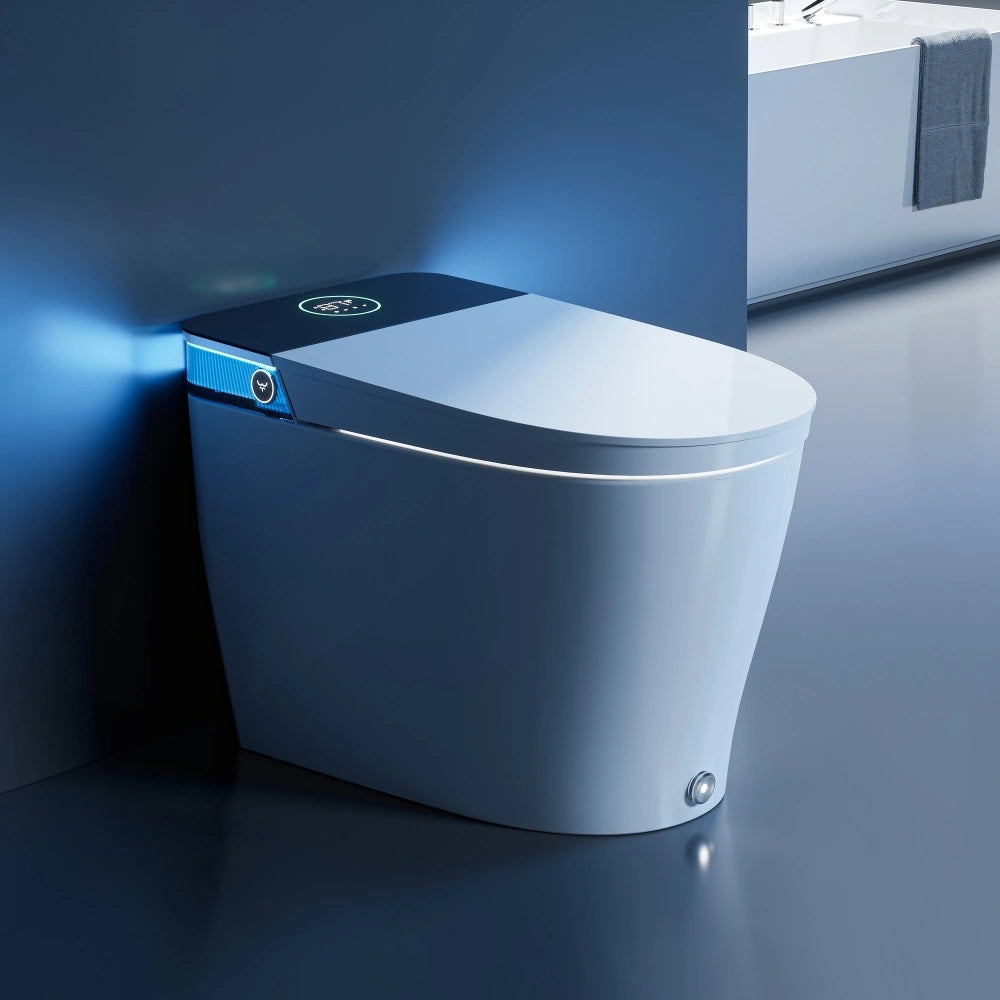
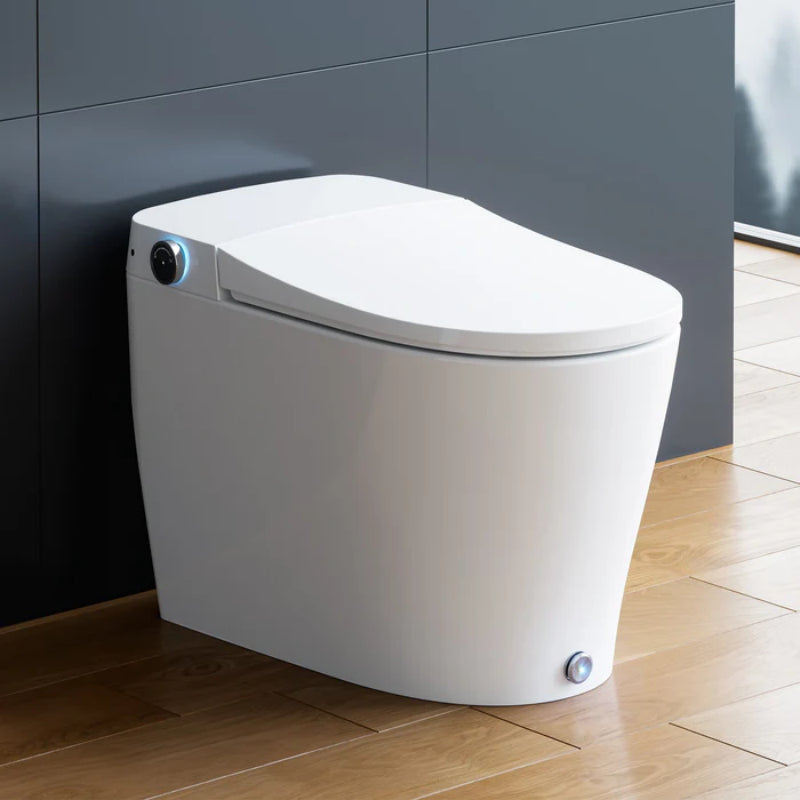

Buying a toilet for a small bathroom is one of those decisions that feels “simple” until you measure the space and realize you’re fighting for every inch—door swing, knee room, vanity clearance, and how the right toilet can make or break your bathroom’s functionality. That’s exactly why choosing the best toilet for small bathroom layouts requires more than guessing based on appearance alone.
In tight spaces, the right toilet can make even the smallest bath space appear larger, more spacious, and easier to use. For many homes, the best toilet for small bathroom designs is the one that balances footprint, comfort, and clearance.The wrong choice can leave you wedged sideways, bumping the door with your knees, or stuck with an install that costs more than the toilet.
This guide is built to help you make a confident first decision: which type fits, which trade-offs matter, and what problems to avoid.
Is The Best Toilet For A Small Bathroom Right For You? – Decision Snapshot
Buying one of the best toilets for small bathrooms isn’t just about size—it’s about choosing the right toilet that works with your layout, daily habits, and long-term practicality. According to the U.S. Environmental Protection Agency (EPA) WaterSense program, selecting toilets that use 1.28 gallons per flush (GPF) or dual-flush systems can significantly reduce household water use without compromising performance. This quick snapshot helps you decide whether a compact toilet is the right solution before diving into details. It also filters out options that may look appealing but fail to function as the best toilet for small bathroom conditions.
Quick Answer And Rule Of Thumb – 24–28 Inch Depth, 1.28 GPF, Comfort Height
For most homes, the “best toilet for a small bathroom” is a compact floor-mounted toilet that’s: these benchmarks are widely used by designers when selecting the best toilet for small bathroom renovations.
-
24–28 inches deep (front of bowl to the wall behind the tank)
-
1.28 gallons per flush (GPF) or a dual flush system (often ~1.1/1.6 GPF)
-
Comfort height (seat height around 16.5–17.5 inches) if adults or older family members use it daily
-
Sub-item example: check height clearance
-
Sub-item example: consider child usage
-
-
Round bowl if you truly need to minimize depth, or compact elongated if you can spare a bit more room for comfort
This combination delivers a smaller footprint with strong usability, making it a great choice for compact bathrooms where space without compromising comfort is the goal. That balance is what defines the best toilet for small bathrooms use in real homes, not just on spec sheets.
Choose This Option If You Want To Save Floor Space Without Sacrificing Comfort
A compact, space-saving toilet is usually right if you’re looking for toilets that save space while maintaining comfort and a clean, minimalist look.
-
You have a powder room, hallway bath, basement bath, tiny house bathroom, or any layout where the toilet sits close to a door or vanity.
-
You want the bathroom to look cleaner and more minimalist, often achieved with one-piece designs that streamline the fixture and are easier to clean.
-
You’re remodeling and want to maximize space without moving plumbing. In these situations, selecting the best toilet for small bathroom layouts often prevents costly plumbing changes later.
Avoid This Option If Your Layout Or Plumbing Makes Compact Toilets Risky Or Expensive
A “compact” toilet can become the wrong choice if:
-
Your rough-in isn’t standard (10" or 14" instead of 12") and you’re trying to “make it work” with the wrong model.
-
Your floor flange is damaged or too high/low and you’re not budgeting for repair.
-
You’re tempted by a wall-mounted toilet or wall-hung toilets, but you’re not planning to open the wall to install a tank system inside the wall(in-wall tanks and carriers change the project).
-
You want a bidet or smart toilet, but the bathroom can’t support the added depth, outlet needs, or multifunctional features, outlet needs, or water line routing.
If any of those sound like you, you can still get a space-efficient solution—but you’ll want to choose the type more carefully.
What Trade-Offs Actually Matter In A Small Bathroom?
In a large bathroom, you can pick up almost any toilet and move on. In a small bathroom, tiny differences (even 1–2 inches) change how the room feels and functions. Those inches often separate an average choice from the best toilet for small bathroom comfort and usability.
Round Bowl Vs Elongated Bowl – When Comfort Is Worth The Extra Inches

Round bowl toilets generally save the most space because the bowl shape creates a smaller footprint compared to elongated models. In many models, going round instead of elongated can reduce depth by around 1–2 inches (sometimes a bit more). That sounds small, but in a tight layout there can be the difference between:
-
the door clearing your knees, or not
-
being able to stand up without twisting, or not
-
meeting minimum clearance in front of the toilet, or not
On the other hand, an elongated toilet provides better ergonomic design for adults, even though it can take up more space in compact layouts. If you use the bathroom every day (not just guests), comfort matters. Choosing between round and compact elongated bowls is a key step in finding the best toilet for small bathroom daily use.
A good compromise is a compact elongated toilet. These are designed to keep the footprint shorter than standard elongated models while still giving an elongated bowl shape. They can work well in compact bathrooms when you’re close to fitting but not quite.
Decision tip:
-
If you have less than about 24 inches of clear space in front of the toilet (more on this below), choose round or compact elongated.
-
If you have room and this is a primary bathroom, elongated is usually nicer day-to-day.
One-Piece Vs Two-Piece Toilets – Minimalist Look Vs Price And Serviceability
This choice affects space, cleaning, and install experience more than most people expect.
One-piece toilets
-
Often look more minimalist and modern, creating a compact look that fits seamlessly into modern small bathrooms.
-
Usually have fewer seams, so they’re often easier to clean.
-
It can cost more and may be heavier to lift and set.
Two-piece toilets
-
Often it costs less.
-
It is easier to carry and install in tight staircases or small homes.
-
Have a tank-to-bowl seam and bolts that can collect grime. Some people also worry more about leaks at that joint (though a correctly installed toilet should not leak).
In practice, in small bathrooms, many homeowners prefer one-piece designs because cleaning around the toilet is already annoying when floor space is limited.
Decision tip: If your goal is a minimalist toilet look and easier wipe-downs, one-piece is usually worth considering—just plan for the weight during install.
Wall-Mounted Vs Floor-Mounted Toilets – Maximum Space Savings Vs In-Wall Complexity
A wall-mounted toilet can be a powerful space-saving solution for compact bathrooms, especially when you want the room to feel more open than in larger bathrooms with bulky fixtures because the tank is inside the wall and the bowl “floats,” leaving more visible floor space. That can make a small bathroom appear larger, and it’s easier to mop under it. For those who want to maximize floor space, wall-hung toilets are ideal. These wall-mounted designs lift the bowl off the floor, making even the smallest bathrooms feel more open and easier to clean.
But the trade-off is big: you’re moving complexity into the wall.
What usually matters:
-
You need an in-wall carrier frame that supports the bowl.
-
You need enough wall depth (often a 2x6 wall or a designed chase).
-
Repairs can require opening an access panel (or worse, opening the wall if access wasn’t planned well).
-
Installation is often not a DIY job unless you’ve done plumbing and framing before.
Decision tip:
-
Wall-hung toilets make the most sense during a remodel where walls are open anyway.
-
If you’re not remodeling, a compact floor-mount toilet usually saves money and avoids risk.
Is A Space-Efficient Bidet Worth It In A Small Bathroom Or Will It Crowd The Space?
A space-efficient bidet can be a major quality-of-life upgrade, but usability matters more than features in tight spaces, but small bathrooms add constraints:
-
A bidet seat adds some bulk at the back and sometimes changes your sitting position.
-
Some designs can feel like they pitch you forward because the seat shape and hardware shift where you sit.
-
Many “smart toilet” or bidet features may need a nearby electrical outlet.
A space-efficient bidet setup in a small bathroom is usually either:
-
a slim bidet seat that doesn’t add much depth, or
-
a toilet with integrated bidet functions designed as one unit (often pricier, often needs power)
Many homeowners find one-piece toilets particularly appealing for compact bathrooms because their sleek design saves space and simplifies cleaning. There are also two-piece toilet options that fit tight layouts while maintaining practical functionality.
Decision tip: If your knees already feel close to the door, add the bidet seat dimensions into your fit check before you buy. In tight spaces, that extra inch can matter.
How Much Does A Small Bathroom Toilet Really Cost? – Hidden And Surprise Expenses
Toilet pricing is easy to find. The real budget is toilet + install + the small parts nobody thinks about until the old toilet is off.
Price Ranges By Toilet Type – Compact, Compact Elongated, Smart, And Corner Toilets
These ranges vary by region and features, but they’re realistic starting points:
| Type (common for small bathrooms) | Typical toilet price range | What you’re paying for |
|---|---|---|
| Compact floor-mount (round or compact elongated) | $200–$600 | Smaller footprint, better flush designs, sometimes comfort height |
| One-piece compact toilet | $350–$900 | Sleeker look, fewer seams, often easier cleaning |
| Corner toilet (tank designed for corner placement) | $250–$700 | Solves certain layouts, fewer model options |
| Wall-mounted / wall-hung toilet (bowl + in-wall tank system) | $600–$1,500+ | In-wall tank, carrier frame, modern look, easier floor cleaning |
| Smart toilet / integrated bidet toilet | $900–$3,500+ | Heated seat, bidet, dryer, auto features; often needs power |
A “tiny house toilet” setup can also include composting units, but most homeowners searching for a toilet for a small bathroom mean a standard flush toilet. If you are off-grid, your decision tree changes a lot (water supply, venting, and local rules).
Installation Costs Explained – DIY Floor-Mount Vs Professional Installation

-
DIY floor-mounted replacement (same rough-in, no flange repair): often $30–$100 in parts if you already own basic tools.
-
Plumber install for a standard floor-mount toilet: commonly a few hundred dollars, depending on region and access.
-
Wall-hung installation: can be significantly higher because it may involve framing, in-wall tank install, and finish work.
When pros are usually required (or at least strongly recommended):
-
wall-hung toilets (in-wall carrier + tank)
-
moving the drain location or rough-in
-
repairing a badly damaged flange or rotten subfloor
-
any situation where the toilet location changes and permits/inspection apply
Hidden Add-Ons That Change The Budget – Seats, Supply Lines, Flanges, And Electrical Work
These are the line items that surprise people:
-
Seat not included: Some toilets come without a seat. If you want soft-close, that’s more cost.
-
New supply line: Cheap, but worth replacing if old.
-
Shutoff valve: If yours is stuck, leaking, or ancient, replacing it can add labor.
-
Wax ring (or wax-free seal): You almost always replace this when swapping toilets.
-
Flange repair ring / new closet flange: If the flange is cracked, too low, or rusted.
-
Floor leveling shims and caulk: Rocking toilets are common on older floors.
-
Electrical outlet add (for bidet/smart): This is the budget kicker in many small bathrooms.
Five-Year Ownership Math – Gallons Per Flush, WaterSense Savings, And Wear Parts
Water use matters, but it’s not only about the bill. In some homes, water efficiency also helps if you’re on a septic system or have a limited water setup (like some tiny house situations). The EPA WaterSense program highlights that modern high-efficiency toilets with 1.28 GPF can save families up to 20% on water use compared to standard 1.6 GPF toilets.
A quick way to compare:
-
Older toilets can use 3.5–7 GPF.
-
Many modern compact toilets use 1.28 gallons per flush, offering better efficiency compared to older models without sacrificing performance(common efficiency target).
-
Dual flush models may use something like 1.1 GPF for liquid and 1.6 GPF for solid.
If you replace an older 3.5 GPF toilet with a 1.28 GPF toilet, you cut water per flush by about 2.22 gallons. Multiply by your household’s flushes and local water/sewer rates to estimate savings.
Also consider wear and tear:
-
Seats loosen over time (especially in small bathrooms where people twist around tight clearances).
-
Flush valves and fill valves wear out. Standard parts are easy; proprietary parts can be annoying.
Decision tip: Efficiency is good, but don’t buy an ultra-low-flow toilet that compromises clear waste removal in your home. A toilet that needs double flushing is not saving water.
Will It Fit Your Bathroom In Real Life, Not Just On Paper?
This is where most “wrong choice” stories come from. People measure the wall-to-front dimension, buy a compact toilet, and then the door hits—or their knees do. Building codes provide minimum clearance requirements for toilet placement to ensure safety and usability. According to the 2024 International Plumbing Code (IPC) published by the International Code Council (ICC), a minimum front clearance of 21 inches is recommended in residential bathrooms.
How To Measure Rough-In, Depth, Width, And True Footprint Correctly
You need four measurements:
-
Rough-in: distance from the finished wall (not baseboard) to the center of the floor bolts.
-
Common rough-ins: 12 inches (most common), 10 inches, 14 inches.
-
If you guess wrong, you can end up with a toilet that doesn’t fit or sits too far from the wall.
-
-
Depth: finished wall behind the tank to the front edge of the bowl.
-
For a compact toilet, you’re usually hunting for 24–28 inches.
-
-
Width: side to side at the widest point (often the tank).
-
This affects tight side clearances next to vanities or walls.
-
-
True footprint / base size: the part that touches the floor.
-
This matters if you’re replacing tile or dealing with an old floor outline.
-
What is the smallest toilet on the market? In standard residential flush toilets, the smallest options are usually round-bowl compact models with depths around the mid‑20-inch range. You may find a few that are slightly shorter, but once you get very short, comfort and bowl usability can suffer. Also, a “short” toilet that requires awkward seating can make a small bathroom feel worse, not better.
Will An Elongated Toilet Still Work Once Door Swing And Knee Space Are Counted?
An elongated toilet can take up more space, but the bigger issue is not just the toilet’s depth—it’s your body’s space when using it.
Here’s what I’ve seen in practice: a bathroom can pass a tape-measure test and still feel cramped because the door swing steals the “air space” where your knees go.
Two checks to do before you buy:
-
Door swing test: With the current toilet, open the door and stand where your knees would be if seated. If your knees are already close, an elongated bowl may be a daily annoyance.
-
Front clearance reality: Many codes call for a minimum clear space in front of the toilet (often 21 inches). A more comfortable target is 24 inches or more.
If your bathroom is right on the edge, a compact elongated bowl is often the compromise that works.
Corner Toilets In Tight Layouts – When They Help And When They Do Not

Corner models are one of several practical options for small bathrooms, using diagonal placement to solve layout problems rather than just saving inches, which can free up wall space and sometimes improves the layout in an oddly shaped room.
When a corner toilet helps:
-
The toilet is currently fighting with a vanity or door and a diagonal placement fixes the traffic flow.
-
You have an awkward nook where a standard toilet looks forced.
When it doesn’t:
-
Your drain location isn’t compatible (moving it can cost more than the toilet).
-
The corner placement steals usable standing room in the middle of the room.
-
The corner model’s bowl still sticks out as far as a standard compact toilet.
Decision tip: Corner models solve layout problems, not always footprint problems. Measure the bowl projection carefully.
Clearance Checklist And Printable Fit Diagram – Door Swing, Toe-Kick, And Cleaning Space
For many homeowners, this is the most useful part. Use it as a “fit test” before you buy.
Common clearance targets (check local code):
-
Front clearance: minimum often ~21", comfortable ~24"+
-
Side clearance: toilet centerline to side wall/fixture often 15" minimum (so 30" total width centered on the toilet)
-
Space between toilet and vanity/tub: more is better; tight gaps are hard to clean
Printable Fit Diagram
Copy this into a note and fill in your measurements:
| Area / Element | Description |
| View Orientation | Top view (not to scale) |
| Back Wall | Rear wall of the bathroom |
| Tank | Toilet tank positioned against the back wall |
| Bowl | Toilet bowl extending forward from the tank |
| Bowl Width | Horizontal width of the toilet bowl (side-to-side clearance) |
| Front of Bowl | Forward-most point of the toilet bowl |
| Front Clearance | Required clear space in front of the bowl for comfort and code compliance |
| Door Swing | Area needed for the bathroom door to open without obstruction |
| Bathroom Boundary | Outer walls defining the bathroom footprint |
Measure and write down:
-
Rough-in: ____ inches
-
Max depth you can fit (wall to door swing or walkway): ____ inches
-
Front clearance available: ____ inches
-
Side clearance (centerline to wall/vanity): left ____ / right ____ inches
If any of these are tight, prioritize round or compact elongated, and avoid bulky bidet add-ons unless you confirm the added depth.
What Happens During Installation And What Commonly Goes Wrong?
Even a “simple swap” can go sideways if the bathroom is old. Knowing the common failure points helps you choose a toilet that won’t turn into a project.
What Happens When The Rough-In Is Wrong And When An Offset Flange Helps
If you buy for a 12" rough-in but your bathroom is 10", the toilet may not fit. If you buy for 10" and you really have 12", you may end up with a larger gap behind the tank than you want.
An offset flange can sometimes shift the toilet position slightly. It can save a purchase in specific cases, but it can also:
-
restrict flow if installed poorly
-
add complexity and cost
-
still not solve a door/knee clearance issue
Decision tip: Use an offset flange as a last resort, not the plan.
Floor And Flange Problems – Rocking Toilets, Wax Ring Leaks, And Leveling Fixes
The most common problems I see after install:
-
The toilet rocks because the floor is uneven.
-
The wax ring doesn’t seal because the flange height is wrong.
-
The toilet leaks slowly and ruins the subfloor before anyone notices.
Fixes are usually straightforward, but you need to plan for them:
-
Use shims to stabilize a rocking toilet.
-
Replace or repair a damaged flange.
-
Choose the right seal (wax or wax-free) for your flange height.
A small bathroom makes these issues worse because you’re cleaning close to the base, and any movement loosens things faster.
Wall-Mounted Toilets Explained – In-Wall Tanks, Access Panels, And Remodel Timing
Wall-hung toilets can be great in a modern small bathroom, but plan the system like you plan a shower valve: assume you’ll need access one day.
Key points:
-
The tank and flush system sit inside the wall.
-
You typically access parts through the flush plate opening, but not every repair is equally easy.
-
The wall must be built to support the toilet load (carrier frame).
Decision tip: A wall-mounted toilet is usually worth it when walls are already open for a remodel. It’s risky when you’re trying to avoid opening walls.
Bidet And Smart Toilet Upgrades – Electrical Outlets, Water Lines, And Rental Limits
If you’re considering a bidet seat or smart toilet:
-
Check for a nearby GFCI outlet (many bathrooms have one, but not always near the toilet).
-
Plan cord routing so it doesn’t cross walkways.
-
Confirm you can add a water tea at the shutoff and that the shutoff works.
For renters:
-
Many bidet seats are reversible, but you still need permission in some leases.
-
Avoid anything that requires new electrical work or moving plumbing.
Will It Work Well Day To Day In A Tiny Or Small Bathroom?
A toilet can “fit” and still be annoying. In a small bathroom, usability problems show up fast because there’s no extra space to compensate.
Comfort Height Vs Standard Height – Adults, Kids, And Accessibility Needs
Comfort height toilets help prioritize comfort and accessibility, especially in compact bathrooms used daily by adults. It’s often helpful for:
-
tall users
-
older adults
-
anyone with knee/hip issues
-
general accessibility goals
But it’s not always best:
-
Small kids may feel less stable on a taller seat.
-
In a tiny bathroom, a taller toilet can visually dominate the room (not a dealbreaker, just a feel thing).
Decision tip: If this is the main bathroom for adults, comfort height is often the safer bet. If it’s mainly for kids, standard height may be easier.
Flush Performance Vs Efficiency – Dual Flush Systems And Low-Pressure Homes
In small bathrooms, you often notice flush issues more because:
-
guests use the powder room most
-
there’s less tolerance for “quirky” habits like holding the handle down
A good dual flush system can save water, but only if:
-
the buttons/lever are easy to understand
-
the “full” flush is strong enough for your household
Also, low flush volume is not the same as poor performance. Some efficient toilets clear waste very well due to bowl design and flush engineering.
What I’d watch for: If a toilet requires a long handle hold to get a full flush, it can lead to inconsistent results in real homes—especially with kids or guests.
Will A Dual Flush Toilet Perform Well Under Heavy Use?
A toilet’s flush performance is mostly driven by the tank-to-bowl design and gravity assist, not your home’s water pressure. Water pressure matters more for how fast the tank refills, not how hard it flushes.
That said, heavy use can reveal weak points:
-
Slow refills can be annoying in a busy household
-
a small water spot (water surface area) can leave more marks
-
Some bowls need more frequent brushing
Decision tip: If you have a busy household, prioritize consistent waste clearing and a bowl that stays clean over chasing the lowest GPF number.

Real Usability Details – Lever Effort, Quiet Flush, Soft-Close Seats, And Bidet Seating Feel
These details sound minor until you live with them:
-
Lever effort: In tight spaces, you may flush while turning sideways. A stiff lever is more annoying than you’d think.
-
Quiet flush: Helpful if the small bathroom is near bedrooms.
-
Soft-close seat: Nice, but check seat stability and replacement options.
-
Bidet seating position: Some bidet seats change where you sit. In small bathrooms, being pushed forward can make knee/door clearance worse.
Maintenance, Risks, And Long-Term Ownership In Small Bathrooms
This is where minimalist toilets and space-saving designs either feel smart—or become a daily irritation.
Easiest Toilets To Clean – Skirted Bases, One-Piece Designs, And Hidden Trapways
Cleaning matters more in small bathrooms because you’re always close to everything.
These space-saving design choices are often a great choice for small bathrooms where cleaning and usability matter more than visual bulk.
-
Skirted base: fewer crevices around the trapway area, easier wipe-down
-
One-piece models: fewer seams between tank and bowl
-
Smooth glazing: helps resist stains and reduces scrubbing
-
Hidden trapway: sleeker look, but make sure you can still access mounting points reasonably
One caution: some “sleek” designs look simple but make installation or bolt access harder. That’s fine if you’re paying a pro, but it can frustrate DIYers.
Common Regrets To Avoid – Flush Habits, Sensors, Remotes, And Seat Compatibility
Regrets I hear most often in compact bathrooms:
-
Buying a toilet that “fits” but feels cramped because the door swing wasn’t counted.
-
Choosing a model that needs special flush behavior (like holding a lever down).
-
Getting a smart toilet/bidet with features no one uses, plus another thing to maintain.
-
Not realizing the toilet needs a specific seat shape, then struggling to find a replacement.
Decision tip: In small bathrooms, simple and consistent often beats feature-heavy.
Parts, Warranty, And Repair Access – What Fails First And What Is Annoying To Fix
Over years of normal use, common wear points include:
-
fill valve (refill issues, noise)
-
flapper/flush valve seal (phantom running)
-
seat hinges (loosening)
-
supply line seepage (if old)
For long-term sanity:
-
Choose a toilet that uses standard, easy-to-find wear parts when possible
-
avoid designs that make basic service feel like surgery
-
confirm you can access the shutoff valve without gymnastics (small bathrooms make this worse)
Are Wall-Mounted Toilets Worth It When Remodeling But Risky Otherwise?
This is the cleanest way to say it:
-
If you’re doing a full remodel and opening walls, a wall-mounted toilet can be a smart way to maximize floor space and make the bathroom feel larger.
-
If you’re not opening walls, it can be an expensive, high-commitment choice with more installation risk than a floor-mounted compact toilet.
A wall-hung toilet is not “better,” it’s just a different set of trade-offs.
Putting It All Together – How To Choose The Right Toilet For Your Small Bathroom
If you want a simple decision path, use this:
-
Start with your rough-in (10", 12", or 14") This narrows your options fast.
-
Decide what you’re solving
-
Need more knee/door clearance? Choose round or compact elongated.
-
Want easiest cleaning and a minimalist look? Consider one-piece or skirted.
-
Remodeling and wanting open floor space? Consider wall-hung.
-
Awkward layout corner? Consider corner models, but measure projection carefully.
-
Want bidet function? Choose space-efficient bidet options and confirm depth + outlet.
-
Pick your non-negotiables In tiny bathrooms, the non-negotiables are usually:
-
fit with door swing
-
comfortable seat height
-
consistent flush performance
Once fit, comfort, and flush performance are locked in, everything else becomes optional—helping you discover the best toilet for your space without overcomplicating the decision.
Before You Buy
-
Measure your rough-in from finished wall to bolt center: 10", 12", or 14".
-
Measure max depth you can fit including door swing and knee space.
-
Confirm front clearance (aim for ~24" if possible; check local code minimums).
-
Check side clearance (to vanity, wall, or tub) and cleaning access.
-
Decide round vs elongated bowl based on real space, not preference alone.
-
Budget for “small parts”: new supply line, seal, shims, and possibly a new shutoff.
-
If adding a bidet/smart features: confirm GFCI outlet location and cord path.
-
Inspect the existing toilet base area for signs of a flange/subfloor problem (stains, soft floor, rocking).
FAQs
1. Does a round bowl save more space than elongated?
Yes. A round bowl usually saves more space than an elongated bowl by shortening the toilet’s overall depth by about 1–2 inches. That difference may sound small, but when you’re choosing the best toilet for a small bathroom, those inches can dramatically improve door swing, knee clearance, and how comfortable the space feels day to day.
Round bowls are especially common in tiny house toilet setups and compact powder rooms where every inch matters. If comfort is still a concern, a compact elongated design can be a smart compromise—offering better ergonomics than a round bowl while keeping the footprint shorter than a standard elongated toilet.
2. Can I use a wall-mounted toilet to save space in a small bathroom?
Yes. A wall-mounted (wall-hung) toilet is one of the most effective ways to maximize space in a small bathroom. By hiding the tank inside the wall and lifting the bowl off the floor, it creates a cleaner, more open look and makes the room feel larger—an approach often used in minimalist toilet designs.
However, the trade-off is installation complexity. Wall-mounted toilets require an in-wall carrier system and sufficient wall depth, which makes them best suited for full remodels rather than simple replacements. If you’re not opening walls, a compact floor-mounted toilet may still be the more practical space-saving option.
3. How much clearance is needed in front of a toilet in a small bathroom?
Most building codes require a minimum of about 21 inches of clear space in front of the toilet. For everyday comfort, especially when choosing the best toilet for a small bathroom, 24 inches or more is strongly recommended.
In tight layouts, limited front clearance can make even a space-saving toilet feel cramped. This is why round bowls, compact elongated models, and wall-mounted toilets are often favored in small bathrooms—they help preserve usable space where your body actually needs it.
4. What is the smallest toilet on the market for tiny spaces or tiny houses?
Among standard flush toilets, the smallest options are usually compact round-bowl toilets with depths in the mid-20-inch range. These models are common in tiny house toilet installations, basement bathrooms, and very narrow layouts.
Going smaller than this often leads to compromises in comfort, bowl usability, and flushing performance. In most cases, a well-designed compact toilet feels better in daily use than an ultra-short model that technically fits but feels awkward.
5. Is a dual flush system good for small bathrooms?
Yes, a dual flush system can work very well in small bathrooms and compact homes. It helps save water by offering a lighter flush for liquid waste and a stronger flush for solids—an advantage in both small bathrooms and tiny house toilets.
That said, performance matters more than numbers. A dual flush toilet is only efficient if the full flush clears waste reliably and the controls are intuitive for guests and kids. Inconsistent flushing often leads to double flushing, which cancels out water savings.
6. Can a space-efficient bidet work in a small or minimalist bathroom?
Yes, but it needs to be chosen carefully. A space-efficient bidet—such as a slim bidet seat or an integrated bidet toilet—can fit well in a small bathroom without sacrificing comfort. These options are especially popular in minimalist toilet designs where clean lines and compact forms matter.
Before buying, check the added depth of the bidet seat, outlet availability, and how the seating position changes. In very tight layouts, even an extra inch can affect knee and door clearance.
References


Leave a comment
This site is protected by hCaptcha and the hCaptcha Privacy Policy and Terms of Service apply.