
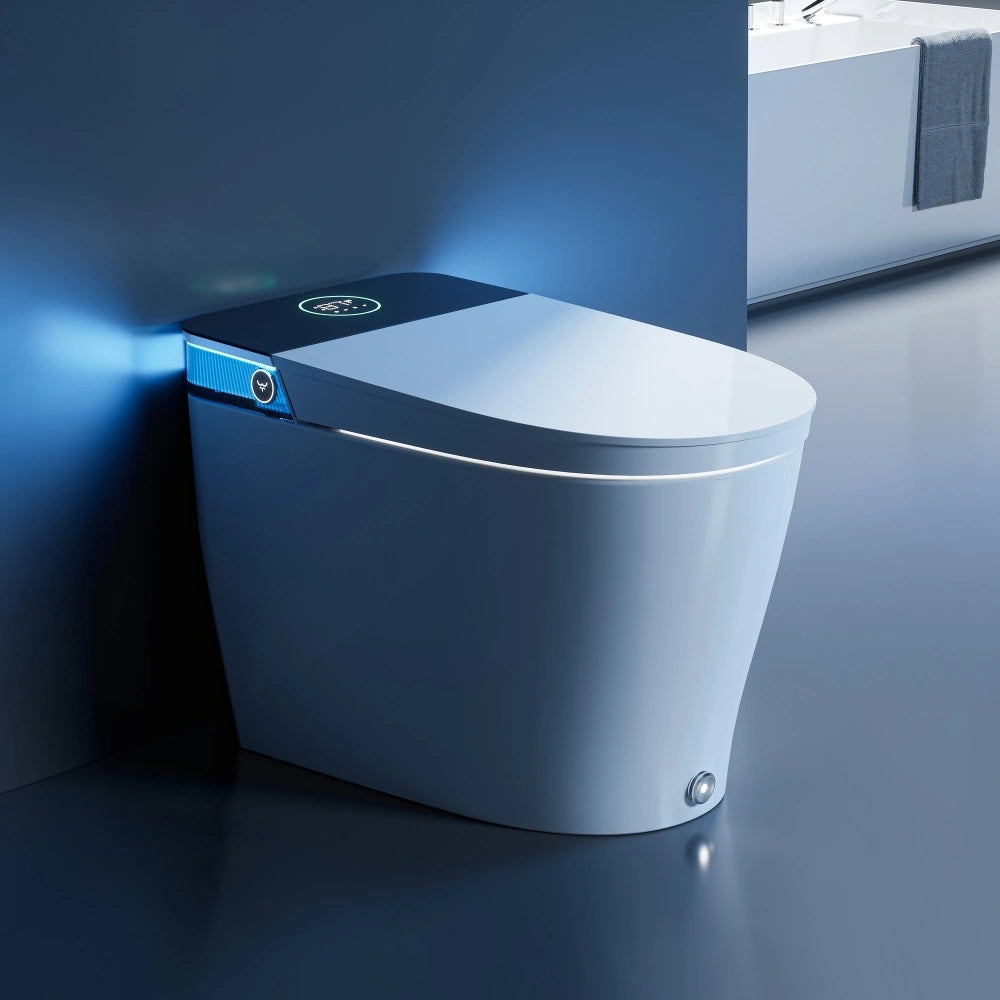
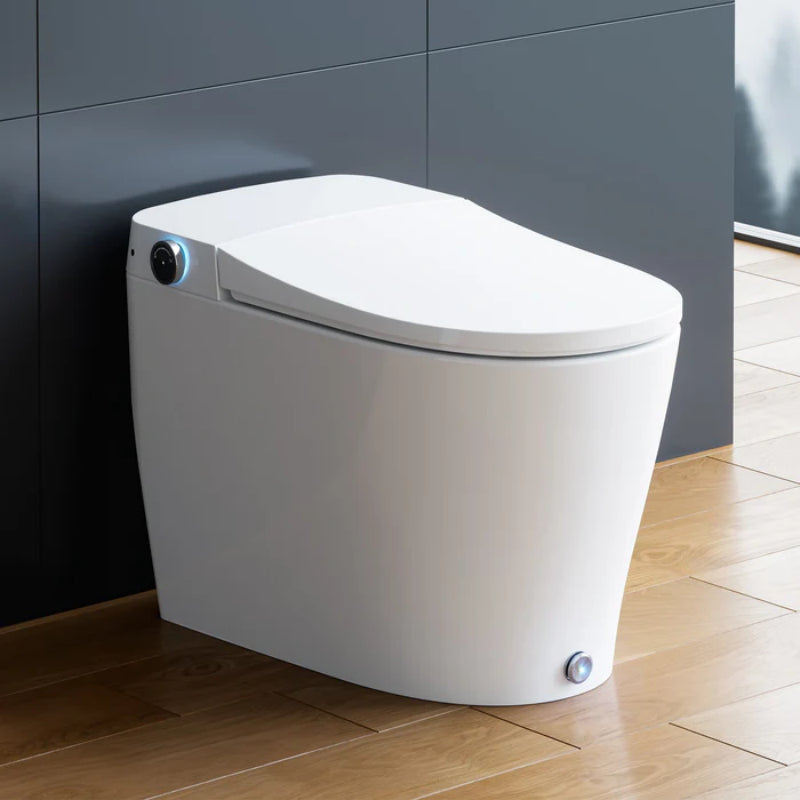
If you’re trying to choose the best smart toilet for guest suite use, the right answer is usually simpler than people expect.
A guest bathroom is not your primary bath. That changes the decision. You’re not buying for one person who learns every button. You’re buying for visitors who may use it once, at night, half asleep, and never read instructions.
So the best pick is usually the one that feels easy right away, fits the room, and does not create install surprises—because the real benefits of a smart toilet in a guest suite come from comfort, hygiene, and simplicity, not complexity—and in many cases, water efficiency matters too, according to the EPA WaterSense program, which highlights high-efficiency toilets as a key way to reduce household water use.
In most guest suites, there are really three good paths:
-
an all-in-one smart toilet for the cleanest look and easiest guest experience
-
a smart bidet seat on a regular toilet for lower cost and easier install
-
a basic toilet with no smart features if the guest room is used only a few times a year
Here’s what usually matters in real homes: guests use fewer features than owners expect, so focus on the features you’ll use (and your guests will actually understand), not the ones that look impressive on paper. Heated seat, warm water wash, auto flush, and a simple side control can help. Complicated remotes, app controls, and highly customized settings often go unused.
Decision Snapshot: Smart Toilet or Seat?
If you want the short answer first, use this rule of thumb—especially if you’ve never installed a smart toilet in a guest suite before.

Choose all-in-one for easy guest use
Pick an all-in-one smart toilet if your guest suite is used often, you want a clean built-in look, and you’re already remodeling or replacing the toilet anyway.
This is often the best all-in-one smart toilet for a guest suite remodel because guests tend to understand it faster. There are fewer visible hoses, fewer add-on parts, and the controls are often more intuitive. In a guest setting, that matters more than deep customization.
This option fits best when:
-
the suite gets regular overnight visitors
-
you want the bathroom to feel upgraded and polished
-
you have a nearby power source or can add one
-
you don’t want guests dealing with a separate remote
Choose a bidet seat for lower cost
Choose a smart bidet seat if your current toilet is in good shape and you want comfort without a full replacement.
For many homes, this is the best value smart toilet for a guest bathroom approach, even though it is technically not a full smart toilet. It adds the features most people care about for much less money, and install is much easier.
This option makes sense when:
-
budget matters
-
you want a faster upgrade
-
you’re not changing flooring or rough plumbing
-
your guest suite is nice, but not a showpiece
Skip luxury models if guests stay rarely
If guests only visit a few weekends a year, a high-end smart toilet may not be worth it.
That is the honest answer to is a luxury smart toilet worth it for a guest bathroom in many homes: often no. You can spend a lot for features that barely get used. If the room is low traffic, put the money into better lighting, a quieter fan, or a more comfortable mattress instead.
Hard-stop checks (before you choose):
-
Outlet/GFCI availability: Ensure a code-compliant GFCI outlet is within 2–3 ft of the toilet location. If not, you must either install one or default to a non-powered toilet/seat.
-
Rough-in match: Confirm the existing toilet rough-in matches your chosen model (12", 10", or 14"). Wrong rough-in = costly retrofits.
-
Shutoff/supply access: Check that the water supply line is unobstructed and easy to reach for future maintenance.
-
Minimum clearances: Verify side and rear clearance per the unit spec, including lid swing and side-panel operation.
Decision guidance:
If any of these checks fail—especially lack of power or improper rough-in—default to a basic toilet or plan electrical/plumbing updates before committing to an integrated smart model. Your guest suite will thank you for reliability over features.
Best smart toilet for guest suite vs alternatives
The main choice is not really between ten models. It is between two formats: integrated smart toilet or bidet seat on a standard toilet.
Integrated toilet vs bidet seat
An integrated smart toilet usually wins on guest-friendliness. It looks cleaner, feels more intentional, and often has built-in controls that are easier for first-time users to understand.
A bidet seat usually wins on budget, speed, and lower risk. If your guest bath already has a solid toilet and enough room around it, a seat can deliver heated water, seat warming, and nozzle cleaning without opening up a bigger project.
So when people ask about smart toilet vs smart bidet seat for a guest suite, here’s the practical answer:
-
choose the integrated unit if you care most about ease of use and appearance
-
choose the seat if you care most about cost and simple installation
Value picks vs premium picks
Value models can work very well in a guest bathroom. In fact, occasional-use spaces are where value models make the most sense. Guests are less likely to need every premium feature.
But there is a trade-off. Less expensive units often cut back on:
-
automatic lid opening
-
better sensors
-
quieter flushing
-
stronger long-term build quality
-
easier service access
If your goal is the best value smart toilet for a guest bathroom, focus on core comfort and hygiene, not luxury extras. A heated seat, warm water wash, self-cleaning nozzle, and simple flush controls are enough for most guest suites.
Premium models are more justified when the guest suite is used weekly, doubles as a shared family bath, or is part of a high-end remodel where the bathroom design matters.
When a cheaper unit is the wrong choice (even for a guest suite):
-
Poor service/parts support in your region. A low-cost smart toilet might save upfront, but repairs can be expensive or slow.
-
Long-term reliability concerns. Frequent glitches, heater failures, or weak flushing performance make the guest experience frustrating.
-
Risk of water damage or leak events if sensors or connectors fail.
-
Feature gaps that impact comfort, like insufficient seat heating or weak spray pressure, may be minor for some, but can disappoint guests accustomed to premium convenience.
Rule of thumb: Choose a value unit only if service coverage is strong, parts are available, and long-term durability is proven. Otherwise, spend a bit more for guest-proof peace of mind.
When a wall-hung option wins
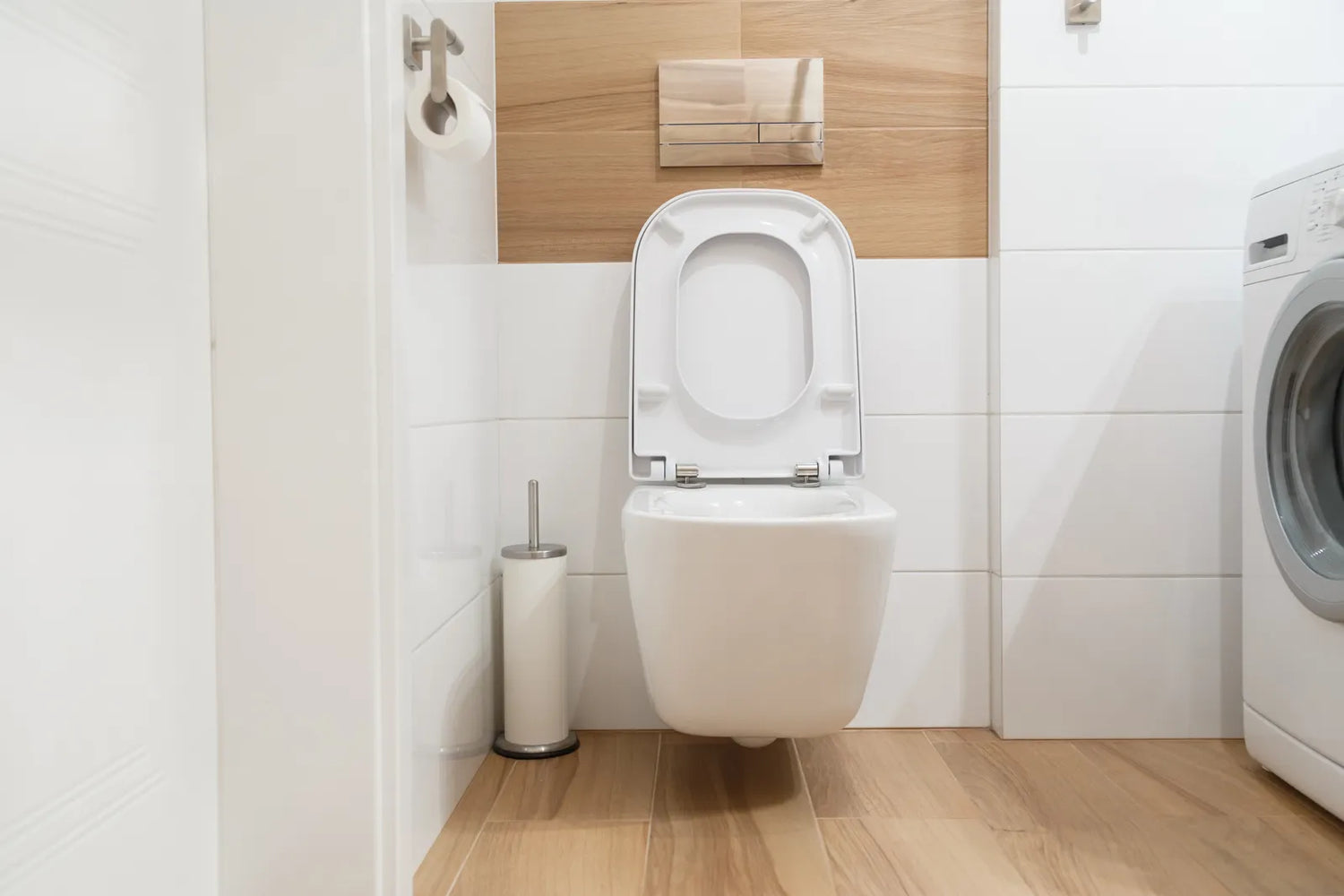
In a very small guest bath, a wall-hung smart toilet can be the smartest fit. It frees up floor space visually and physically, which helps a tight room feel less cramped.
This can be the best smart toilet for a small guest bathroom with limited space if you are doing a full remodel and can open the wall. But wall-hung units are not the easy option. They usually require more planning, more labor, and more attention to in-wall carrier support and rough-in conditions.
If you are not already remodeling, a compact floor-mounted unit or a bidet seat is usually the easier answer.
Which trade-offs matter most?
Smart toilet buying gets easier when you stop comparing long feature lists and start comparing trade-offs.
Simple buttons vs remote confusion
For a guest suite, simple controls beat advanced controls almost every time.
This is one of the biggest mistakes I see. Homeowners buy a unit with a sleek remote, dozens of wash settings, user profiles, and special modes. Then guests either ignore it or get confused.
If you are asking how do I choose a bidet that is easy for visitors, start with the control layout. Look for:
-
side panel or clearly labeled buttons
-
icons guests can understand quickly
-
obvious flush control
-
basic rear wash and stop functions
A remote can work in a primary bath. In a guest room, it often adds friction. The key point is that smart toilet features guests will actually use are usually the simplest ones.
Guest-proof controls checklist:
-
Prioritize onboard/side panel controls—guests don’t need to download an app to flush.
-
Ensure clearly labeled stop/flush buttons.
-
Avoid remote-only or profile-heavy controls in guest suites; these are confusing and slow.
-
Optional: small intuitive icons for spray, bidet, or heated seat.
Warning: Remote-only units or app-dependent features are a recipe for “how do I turn this off?” moments. For guest-heavy bathrooms, simplicity and clarity beat bells and whistles.
Sleek one-piece vs easy retrofit
A one-piece integrated toilet looks better. There is no getting around that. It feels cleaner, more modern, and more “finished” in a guest suite.
But a retrofit seat is easier to install, easier to replace later, and easier to troubleshoot. If your current toilet works well and matches the room, the seat option often delivers the better practical value.
That is why the best compact smart toilet for a guest suite is not always a full smart toilet. Sometimes the smartest move is to keep a compact standard toilet and add a quality seat.
Auto features vs lower repair risk
Auto flush and touchless lid opening sound great, and they can be very helpful in a guest suite. They make the bathroom feel clean and easy to use.
But each automatic feature adds more sensors and more points of failure. So ask yourself how much convenience you really need.
For a guest bathroom, I usually see this order of value:
-
heated seat
-
warm water wash
-
self-cleaning nozzle
-
auto flush
-
auto lid opening
-
remote memory settings and advanced extras
That is why automatic flushing and touchless lid benefits in a guest suite should be seen as nice additions, not must-haves.
Luxury feel vs practical value
Some bathrooms are meant to impress. If your guest suite is part of a major remodel or higher-end home, the luxury feel may matter.
But if your goal is comfort and low fuss, practical value often wins. Clean design, easy controls, and reliable operation matter more than edge-to-edge feature lists.
So, should I put a smart toilet in my guest suite? Yes, if guests stay often enough to benefit from it and the room can support it without a complicated install. No, if the room is rarely used or the project creates electrical and plumbing headaches.
What does each option really cost?
This is where many buying decisions become clear.
Full smart toilet budget
A full smart toilet usually costs much more up front. You are paying for the toilet, bidet functions, built-in electronics, and often a cleaner one-piece design.
In many cases, the real cost is not the fixture. It is the install. If you need a new outlet, minor tile work, or plumbing changes, the price climbs fast.
A realistic budget often includes:
-
toilet price
-
delivery and handling
-
electrician work for a protected outlet
-
plumber labor
-
possible flooring or trim touch-up
That’s why the best high-end smart toilet to impress overnight guests only makes sense if the bathroom is already being upgraded or built out properly—otherwise it may not feel like a worthwhile investment.
Bidet seat budget
A bidet seat costs much less because you keep your existing toilet. In many cases, install is easy enough for a handy homeowner.
This is often the best path for people searching smart toilet vs smart bidet seat for a guest suite because the numbers are simply easier to justify.
Your costs may include:
-
the seat
-
a T-valve or connection parts
-
a nearby protected outlet if one does not exist
-
maybe a plumber if your shutoff valve is old or hard to access
If your current toilet is comfortable, modern, and not too large for the room, the seat route usually delivers the best return.
When premium is worth paying for
Pay more when one or more of these are true:
-
the guest suite is used often
-
you want one-touch ease for older guests
-
aesthetics matter a lot
-
you are already remodeling
-
you want fewer exposed parts and easier surface cleaning
In those cases, spending more can buy a better guest experience, not just more features.
When value models make sense
Choose a value model when:
-
the bathroom is secondary
-
guest use is occasional
-
you want comfort, not showpiece design
-
you can accept fewer automatic features
-
you care more about cost control than top-tier finish quality
That is the sweet spot for the best value smart toilet for a guest bathroom.
Which fits a guest bath better?
Fit matters more than many buyers expect.

Small bath: full toilet or seat?
If the room is tight, measure before you choose the format. A smart toilet base can be deeper or wider than a standard toilet, and some need extra side access for controls or service.
In very small baths, a bidet seat can be easier because you already know the toilet fits. You are not gambling on a new footprint.
So the best smart toilet for a small guest bathroom with limited space is often the one that avoids layout surprises.
Clearance you really need
If you are asking how much clearance is needed for a smart toilet in a guest bath, start with code and comfort, not marketing dimensions.
Check these first:
-
rough-in distance from wall to drain center
-
side clearance to walls or vanity
-
front clearance for knees and walking space
-
seat height and lid opening path
-
access to water shutoff and power
Local codes vary, so verify minimum clearances in your area. In practice, guest baths feel much better when there is enough front room for someone carrying luggage or using the room at night.
Compact doesn’t always fit better
A “compact” toilet can still be a poor fit if the seat shape feels cramped, the lid hits the wall, or the control panel crowds the vanity.
This is why best compact smart toilet for a guest suite should not mean “smallest dimensions only.” It should mean best use of limited space without creating awkward use.
A compact elongated seat often feels better than a very short round bowl, especially for adult guests.
GFCI and plumbing limits
Many homeowners discover too late that the room has no power near the toilet.
So, does a guest suite smart toilet need a GFCI outlet? In many cases, yes, or at least a properly protected outlet that meets local electrical code for bathroom installation. This is not a detail to guess on. If the toilet or seat needs power, confirm electrical requirements before you buy.
Also check:
-
location of the shutoff valve
-
whether the supply line is accessible
-
whether the toilet is skirted and harder to connect
-
whether your home has an older non-standard rough-in
These issues often decide the project before style or features do.
Power-outage behavior:
-
Heated seats, automatic lids, bidet sprays, and night lights won’t work during an outage.
-
Manual flush, water supply, and basic bowl functionality remain operational.
Decision rule: In areas prone to outages, choose a model where basic toilet functions work independently of power, or plan a fail-safe manual override. Guest bathrooms should never be fully dependent on electricity for usability.
Fit overrides features:
-
Comfort/universal height: Older guests or shorter/ taller users need a standard or slightly taller seat (16–18") for easy use.
-
Tight-space usability: Check rear bulk, lid swing, and side-panel placement relative to vanity or walls. Avoid units that block clearance or require awkward access.
Decision tip: In small guest bathrooms, pick the unit that fits the space comfortably—even if it lacks some high-end features. If a unit interferes with movement, it’s a no-go.
Which features will guests actually use?
This is where you can save money and avoid regret.
Heated seat: useful or wasted?
A heated seat is one of the few smart features guests notice right away. In cooler climates or winter months, it adds comfort without any learning curve.
For a guest suite used often, it is usually worth having. For a very occasional-use guest bath in a warm climate, it may not matter much.
Still, among heated seat and warm water bidet features for guest bathroom comfort, the heated seat is usually the easier win.
Auto flush and lid
There are real automatic flushing and touchless lid benefits in a guest suite. They reduce touch points, help with hygiene, and make the bathroom feel more polished.
But I would not choose a model based on those alone. Good if included, not essential if the unit is otherwise strong.
Guests understand auto flush quickly. Auto lid opening is more mixed. Some people like it. Others find it odd or unnecessary, especially if the bathroom is small and the lid opens as they pass by.
More Features
-
Deodorizer/odor control: Useful in high-turnover guest suites to maintain freshness without manual intervention.
-
Night light/nighttime usability: Soft illumination helps guests navigate safely at night without turning on harsh overhead lights.
-
High-turnover hygiene upgrades: Materials that resist stains, easy-clean surfaces, and removable components justify stepping up from budget models if your guest suite sees frequent use.
Guest-focused tip: Add these selective upgrades only if they directly improve the guest experience, not just because the unit has the most tech features.
Is warm water worth it?
Yes, if you want the bidet feature to feel welcoming rather than experimental.
A guest may try a bidet once. If the water is cold, that may also be the last time. Warm water makes the feature feel easy and comfortable. If your goal is a guest-friendly bathroom, it is worth having.
That’s why heated seat and warm water bidet features for guest bathroom comfort usually matter more than dryers, presets, or app controls.
Which controls confuse least?
The least confusing setup is usually:
-
side-mounted control panel
-
clear wash/stop icons
-
obvious flush button or lever
-
no need to pick a user profile
-
no detached remote that can be misplaced
If the controls require explanation, they are not ideal for a guest bath.
For smart toilet features guests will actually use, think “self-explanatory within five seconds.”
When does maintenance change the decision?
Maintenance can easily make or break your satisfaction, especially in a room you want to keep guest-ready—this is where low maintenance guest bathroom fixtures make a noticeable difference.

Which is easier to clean?
Integrated one-piece smart toilets usually win on exterior cleaning. They have fewer visible gaps, fewer external hoses, and smoother surfaces.
Bidet seats are still manageable, but they often show more hardware around the hinge area and side connections. That can make wipe-down cleaning slower.
If your goal is a tidy guest bathroom with minimal effort, integrated units have an edge.
Self-cleaning nozzle vs manual upkeep
Among low maintenance smart toilet features for guest suites, a self-cleaning nozzle is one of the best to have. It helps with hygiene, lowers the “ick” factor for visitors, and reduces how often you need to think about it.
That said, self-cleaning does not mean no cleaning. You still need occasional manual care and regular bowl cleaning.
A self-cleaning nozzle is helpful, not magical.
Hard water and aging parts
If you have hard water, pay attention to this before buying. Mineral buildup affects nozzles, valves, and spray performance over time.
In hard-water homes, simpler units or seat attachments can be easier to service later because replacement is more straightforward. Some integrated units are excellent, but repairs can be more specific and sometimes more expensive.
This is one reason buyers in older homes often stay practical rather than going all-in on luxury.
Which is easier to repair?
In general:
-
bidet seats are easier to replace
-
standard toilets are easier for plumbers to service
-
integrated smart toilets can be harder and costlier to repair out of warranty
So if your top priority is low hassle over ten years, the seat option deserves serious consideration.
When people ask about low maintenance smart toilet features for guest suites, the real answer is not just nozzle cleaning. It is also choosing a setup that will not become a headache if one part fails.
Installation difficulty: remodel or quick upgrade?
This is often where the decision gets made.

Full replacement or 30-minute seat?
If your current toilet is staying, a bidet seat can be a straightforward upgrade. In many homes, it really is close to a short DIY project if the shutoff valve works, the toilet shape is compatible, and there is power nearby.
That is why homeowners asking how hard is it to install a smart toilet in a guest bathroom should split the question in two:
-
installing a bidet seat: often simple
-
installing a full smart toilet: often a real project
When old plumbing blocks your plan
Older guest baths can create problems fast. Common ones include:
-
odd rough-in sizes
-
stiff or corroded shutoff valves
-
limited space behind the toilet
-
no nearby power
-
flooring gaps after toilet replacement
If your home is older, check those first. They matter more than the feature list.
Best all-in-one during remodels
A remodel is the best time to install an integrated unit. You can place the outlet correctly, confirm rough-in dimensions, adjust wall or floor finishes, and choose a model that truly suits the room.
That is when the best all-in-one smart toilet for a guest suite remodel makes the most sense. You are solving power, plumbing, and layout at the same time instead of forcing a new fixture into an old setup.
Which install causes fewer surprises?
The fewest surprises usually come from keeping the existing toilet and adding a smart seat.
That does not mean it is the best choice for every room. It means it is the lower-risk path.
If your main goal is confidence and convenience, this is a good way to think about it:
-
choose integrated if you are remodeling and want the easiest guest experience
-
choose a seat if you want lower cost, easier install, and simpler future replacement
So which type is right for you?
If you want one clear answer, here it is.
Choose an all-in-one smart toilet for your guest suite if:
-
guests stay often
-
the bathroom is part of a remodel
-
you want the cleanest look
-
ease of use matters more than saving money
-
you want guests to understand it without instructions
Choose a smart bidet seat if:
-
your current toilet is good
-
you want the best value
-
you prefer easier installation
-
you want comfort features without major electrical and plumbing work
-
long-term replacement simplicity matters to you
Skip both and stay basic if:
-
the suite is rarely used
-
there is no easy path to power
-
the bathroom is very small and already works fine
-
your budget would be stretched for features guests may barely touch
That is the real answer to what to consider before choosing a smart toilet for a guest room. Think about guest frequency, ease of use, fit, power, maintenance, and install risk before you think about luxury.
Before you buy best smart toilet for guest suite
Use this quick checklist before ordering anything:
-
Measure your rough-in, side space, and front clearance
-
Check if a code-compliant protected outlet is available near the toilet
-
Decide if guests need simple side controls instead of a remote
-
Be honest about how often the guest suite is used
-
Choose warm water, heated seat, and nozzle cleaning before luxury extras
-
Confirm your shutoff valve and supply line are accessible
-
Think about future repairs, not just first-year features
FAQs
1. Should I put a smart toilet in my guest suite?
If you want to impress guests with luxury bath tech, installing a best smart toilet for guest suite can really make a difference. Visitors will enjoy features like heated seats, automatic flushing, and built-in bidets without any hassle. For occasional guest use, a simpler model may suffice, but for frequent visitors or a touch of elegance, a smart toilet brings both comfort and wow factor.
2. What is the best bidet toilet for guests?
The best value smart bidet for guests is one that combines comfort, hygiene benefits for guest suites, and straightforward operation. Look for intuitive controls, gentle spray options, and self-cleaning features so guests don’t have to guess how it works. You don’t need the priciest option—sometimes mid-range models offer the perfect balance of luxury and usability for guest bathrooms.
3. How do I choose a bidet that is easy for visitors?
When selecting a bidet for a guest bathroom, focus on user-friendliness and low-maintenance guest bathroom fixtures. Choose a model with clear buttons or a simple remote, preset water temperatures, and automatic nozzle cleaning. Avoid overly technical features—guests just want comfort and cleanliness without figuring out a complicated system. Compact, easy-to-use options are ideal for guest rooms.
4. Is a smart toilet too complex for a guest bath?
It depends on your guests and the toilet model. While some high-end smart toilets have many features, there are plenty of compact luxury toilets for guest rooms designed for simplicity. With intuitive controls and automatic functions, guests can enjoy luxury without confusion. A well-chosen smart toilet also provides hygiene benefits for guest suites and requires minimal maintenance, making it a stress-free upgrade.
Reference


Leave a comment
This site is protected by hCaptcha and the hCaptcha Privacy Policy and Terms of Service apply.