
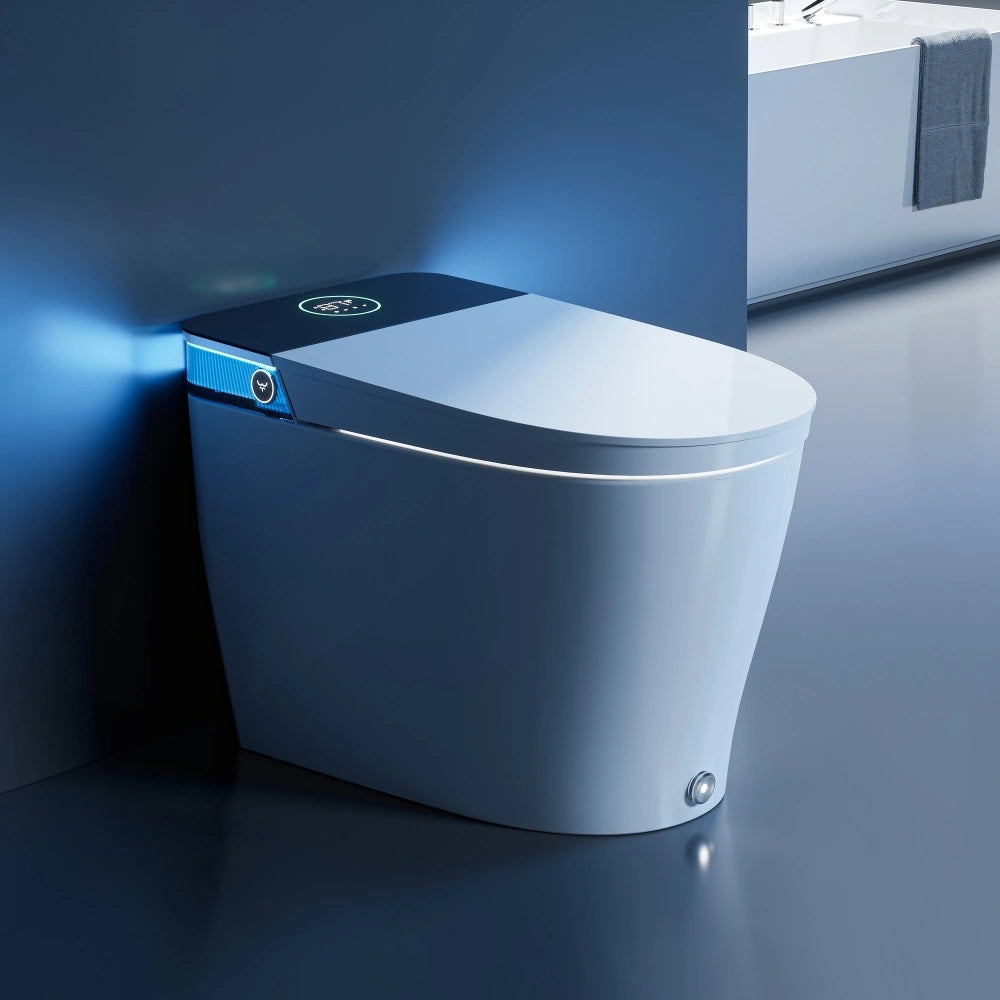
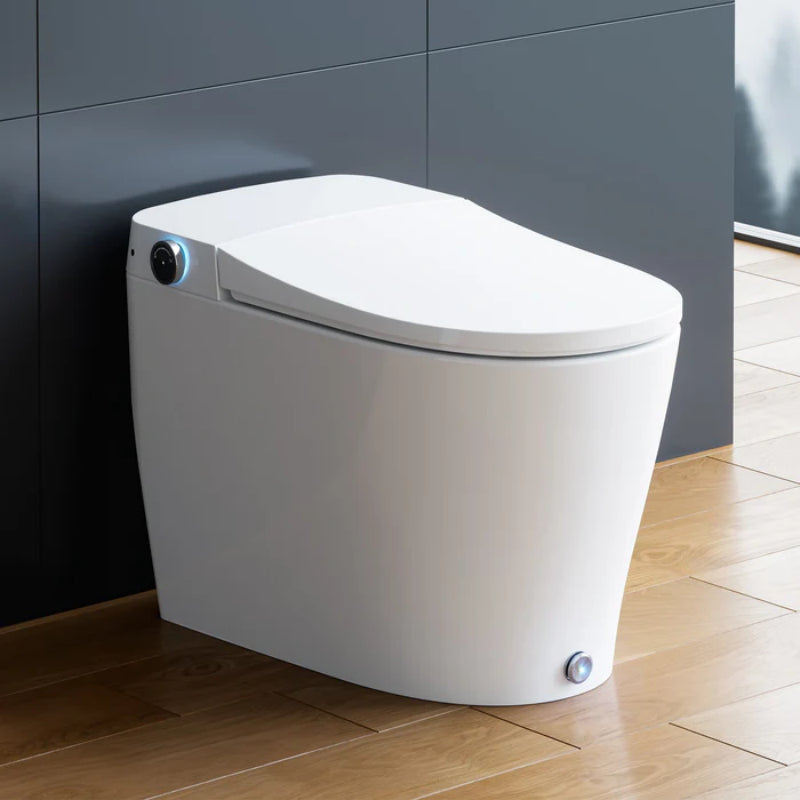

Choosing the best smart toilet for elderly users is not really about buying the fanciest toilet. It is about one question: will this make daily bathrooms safer, easier, and more independent at home?
For some seniors, the answer is yes. A smart toilet or bidet toilet offers bidet functions that can reduce wiping, lower strain on sore hands and shoulders, improve hygiene after surgery, and make nighttime bathroom trips less risky. For others, it adds cost, setup issues, and one more remote way to learn.
Here’s the honest version: the right toilet for aging in place is usually the one that solves a clear problem. If the problem is arthritis, limited reach, poor balance, or trouble cleaning well after using the toilet, a smart toilet can help. If the problem is simply wanting a nicer bathroom, a full smart toilet is often more than you need.
Decision Snapshot: Smart Toilet or Alternative?
If you only read one part of this guide, read this.
Seat height filter: Comfort/ADA height for seniors is ~17–19 inches (ideal for mobility limits), contrasting with standard toilet height at ~15–16 inches—prioritize this early for safe transfers. The Americans with Disabilities Act (ADA) provides guidance on accessible design standards that support safer bathroom use.
Must-have checks before choosing a full unit:
-
Nearby GFCI electrical outlet
-
Sufficient clearance/transfer space around the toilet
-
Grab-bar compatibility with toilet dimensions
-
Reliable operation during power outages
- Main item
- Sub item one with wrapped text that adjusts to screen width
- Sub item two
Choose a full smart toilet for aging in place
A full smart toilet makes the most sense when the senior using it has real mobility or hygiene limits, not just mild interest in comfort features.
It is usually the best fit when:
-
getting up and down is already hard
-
wiping is painful because of arthritis or shoulder issues
-
surgery recovery makes twisting difficult
-
caregiver help is needed for cleaning after toileting
-
the bathroom is being updated for long-term aging in place
The key point is that a full unit often gives you the cleanest setup, the most built-in features, and a more seamless daily routine.
Choose a bidet seat for tighter budgets
A smart toilet seat or bidet seat is often the smarter first step if:
-
the current toilet is already the right height
-
budget matters
-
you want warm water cleansing without replacing the whole toilet
-
you are testing whether a bidet will actually help
This is often the best answer for families asking, is a full smart toilet or smart toilet seat better for elderly users? If you are not sure the senior will use the features, start with the seat.
Skip both for very simple needs
Sometimes the best choice is neither.
If the user has:
-
very early or mild discomfort only
-
confusion with new controls
-
no nearby outlet
-
frequent power outages
-
a bathroom too small for a larger unit
then a simple comfort-height toilet with grab bars, good lighting, and maybe a basic non-electric bidet attachment may be the better path.

Who should choose best smart toilet for elderly?
Not every senior needs one. The people who benefit most usually have one or more daily bathroom struggles that standard toilets do not solve well.
Best for limited mobility, not light convenience
If someone can still sit, stand, twist, wipe, and clean without much strain, a smart toilet may feel nice but not necessary.
But if they pause before sitting because their knees hurt, or if standing back up is a slow effort every time, then smart toilet safety features for elderly users start to matter more. Comfort height, automatic flushing, night lighting, and bidet cleaning can remove several small tasks that add up.
This is also why people ask, can a smart toilet help seniors with mobility issues? In many homes, yes. Not because the toilet lifts them, but because it reduces reaching, twisting, wiping, and fumbling in the dark.
Better for arthritis than wiping alone
One of the strongest reasons to buy a bidet toilet for a senior is arthritis.
Hands that struggle with grip often struggle with toilet paper too, which is why many people use bidet functions instead. So do shoulders with reduced range of motion. A warm water wash with adjustable pressure is often much easier than repeated wiping, which helps many seniors reduce toilet paper use and experience genuine ease of use. The best bidet toilet features for seniors with arthritis are usually:
-
simple wash controls
-
adjustable water pressure
-
adjustable nozzle position
-
warm air drying, if tolerated
-
memory presets, if more than one user has different needs
If there is one feature set that often helps seniors stay independent longer, it is this.

Worse for early tech confusion
There is a downside: people do not talk about enough. Some smart toilets are not hard to use once learned, but they are not intuitive on day one. When a toilet really works for aging adults, it prioritizes simplicity over complexity.
Cognitive-load decision rule: For users with tech frustration, low vision, or mild confusion, choose smart toilet models with simpler side-panel controls only and avoid all remote-heavy/feature-dense models entirely—these will create unnecessary stress and reduce independent use.
That matters for older adults who get frustrated by remotes, layered menus, or icons they cannot see clearly. If the person already avoids TV remotes or phones because they feel confusing, a feature-heavy model may become an expensive source of stress and will likely go unused.
In that case, a simpler bidet seat with a basic side control often works better than a full smart toilet with many modes—this aligns with the core rule of prioritizing ease over extra features for cognitive comfort.
Better after surgery than standard toilets
The best smart toilet for elderly recovering from surgery is usually one that reduces bending, twisting, and aggressive wiping.
After hip, knee, abdominal, or back surgery, the bathroom can become one of the hardest parts of the day—but an electric bidet can reduce the strain significantly. Warm water cleansing is gentler. Comfort height makes transfers easier. Automatic flushing and an auto-open lid can reduce awkward reaching. For many seniors, these features like heated seats and gentle washing genuinely help preserve comfort and independence, showing how seniors can be genuinely helpful for their own daily routine.
This can be especially helpful in the first few weeks after surgery, when pain and stiffness are highest.
Smart toilet vs bidet seat for seniors
This is where most buyers get stuck. Both can help, but they solve the problem in different ways.
Full unit or seat attachment?
A full smart toilet replaces the whole toilet. A bidet seat installs on an existing traditional toilet, making smart toilet installation much simpler.
A full unit usually gives you:
-
a cleaner one-piece look
-
better integrated controls
-
stronger hands-free features
-
auto flush and auto lid more often
-
easier exterior cleaning in some designs
A bidet seat usually gives you:
-
lower cost
-
easier replacement
-
less installation work
-
more flexibility if you move
-
a chance to try bidet use before making a larger purchase
So when people ask about smart toilet vs bidet seat for elderly users, the answer is usually practical, not technical: choose the one that fits the bathroom, budget, and user comfort level.
When a bidet seat makes more sense
A bidet seat is often the better choice if the home already has:
-
a comfort-height toilet
-
enough room around the bowl
-
a nearby outlet
-
someone willing to install a T-valve and water line
It also makes sense when the real goal is better hygiene, not a full bathroom remodel.
For many families, this is enough. If the senior mainly needs help cleaning after bowel movements and can manage the rest of toileting well, a seat may do the job at much lower cost.
When the full toilet justifies the cost
A fully smart toilet makes more sense when:
-
you are remodeling anyway
-
the current toilet is too low
-
you want a skirted, easier-to-clean base
-
the user would benefit from auto flush, lid sensors, and integrated controls
-
long-term aging in place is the main goal
This is also where an ada smart toilet with comfort height seat for elderly users stands out—discover how a smart toilet can make a meaningful difference. Seat height matters more than many people expect, especially for people with mobility challenges. A lower toilet can cancel out the value of fancy wash features if sitting and standing still hurts.
Which is easier to live with?
In real homes, the easiest option is usually the one with the fewest extra steps.
A full smart toilet can feel seamless once installed. But if it has a complex remote and too many settings, daily use can become annoying.
A bidet seat can be simple and effective, but it may look bulkier, leave more surfaces to clean, and feel less polished.
If the bathroom is shared, simpler controls matter even more for many older adults. Shared bathrooms often create “setting conflicts” where one user changes temperature or spray pressure and the next user gets an unpleasant surprise, making ease of use a top priority.
Which trade-offs matter most at home?
Shoppers often compare feature lists. That is not the best way to choose. The better way is to ask which trade-offs will matter after the first week.
Comfort height versus lower price
This is one of the biggest buying mistakes.
Some lower-cost smart toilets look appealing because they include bidet features and sensors, but they keep a standard or lower seat height. That may be fine for younger buyers. It is often not fine for seniors with knee, hip, or balance issues.
If mobility is part of the reason you are shopping, do not compromise on height just to save a few hundred dollars—a toilet plus proper height features is worth the investment. Best ada height smart toilet for seniors searches happen for a reason: height changes daily comfort.
Hands-free ease versus remote complexity
Auto open, auto flush, foot sensors, and one-touch wash functions sound minor until you picture using them with stiff hands at 2 a.m.
These features can reduce caregiver help and lower the need to reach. But they also come with sensors, settings, and sometimes remotes that are not obvious at first.
Here’s what usually matters in real homes: one-touch functions are helpful; deep customization is less important unless the user really wants it.
Warm drying versus simpler upkeep
How heated seats and warm water improve comfort for seniors is easy to understand. They reduce shock, feel gentler on sensitive skin, and make winter bathroom use more comfortable.
Warm air drying can help too, especially for people trying to reduce wiping. But dryers are often slower than buyers expect. Some seniors still prefer a small amount of toilet paper for a final pat dry.
If easy upkeep matters more than extra comfort, a simpler wash-only setup may be enough.
Night lights versus feature overload
Night light and sensor features in smart toilets for elderly safety are more useful than they sound. A soft bowl light can reduce the need to turn on harsh overhead lights and can help with nighttime orientation.
But if a toilet includes too many flashing indicators, beeps, and sensor triggers, it may feel distracting rather than helpful.
A good rule: choose features that reduce physical effort, not features that just add novelty.
What features actually improve independence?
Many smart toilet features sound helpful. Fewer actually change daily independence.
Adjustable spray or fixed settings?
Adjustable spray is one of the most valuable features.
How adjustable water pressure helps seniors use a bidet safely is simple: frail skin, hemorrhoids, post-surgery soreness, and different comfort levels all call for control. Water pressure that feels fine to one person can feel harsh to another.
Look for:
-
low starting pressure
-
gradual adjustment
-
front and rear wash options if needed
-
easy nozzle positioning
Fixed or overly strong spray settings are a common reason people stop using bidets.
Heated seat or true safety upgrade?
A heated seat is comfort, not safety. That does not mean it is useless. Seniors who are cold-sensitive or stiff in winter often like it a lot.
But if you are deciding what to look for in a smart toilet for seniors aging in place, put these first:
-
correct seat height
-
easy controls
-
adjustable wash pressure
-
reliable flushing
-
night light or clear visibility
-
easy cleaning
-
power backup plan
Heated seats are nice. They should not distract from the basics.
Auto flush or manual reliability?
Auto flush sounds like a small feature, but it helps in two ways. First, it reduces one more reach or twist. Second, it supports hygiene for users who may forget to flush.
That said, manual flush reliability still matters. During outages or sensor misreads, there should be a simple way to flush without confusion.
Are smart toilets suitable for elderly people during power outages? Sometimes yes, sometimes less so. You need to check whether the toilet has a manual flush option, battery backup, or any way to work without electricity. Some do not.
Which features reduce caregiver help?
When families ask about smart toilet features that reduce caregiver assistance and support better hygiene, the most useful ones are usually:
-
effective rear wash
-
adjustable pressure
-
warm air dry
-
auto flush
-
easy one-button controls
-
comfort height
-
self-cleaning nozzle
-
hands-free lid or foot sensor
These do not remove all caregiving needs. But they can reduce the most private and uncomfortable type of help: post-toilet cleaning.
That is also why smart toilet features that support hygiene and independence for older adults matter so much. Dignity is part of the buying decision.
Cost gaps that change the decision
Price matters, but the cheapest option is not always the lowest-cost choice over time.
Premium comfort or value buy?
A bidet seat is often the value buy. A full smart toilet is often the premium comfort buy.
If the senior already has a good-height toilet and mainly needs better cleansing, a seat attachment can deliver most of the benefit.
If the current toilet is low, old, hard to clean around, or part of a remodel, a full smart toilet may make more sense.
When budget models become false economy
This is common: a buyer saves money on a lower, less ergonomic smart toilet, then finds the senior still struggles sitting down and standing up.
At that point, the home may still need a raised seat, grab bars, or another replacement later. The “deal” was not really a deal.
A lower seat height is the biggest false-economy issue I see in this category.
Paying more for ADA height
Paying more for ADA or comfort height is often worth it if mobility is already declining. A slightly taller seat can reduce strain every single day.
What is the best toilet for aging in place? In most homes, it is one with:
-
comfort or ADA-friendly height
-
enough space for safe transfers
-
easy-to-use wash controls
-
low effort cleaning and flushing
-
support from grab bars if needed
The toilet should work with the person, not just fit the room.
Is the upgrade worth the money?
If the smart features reduce pain, reduce cleanup struggles, or cut down on caregiver help, yes, it can be worth the money.
If the buyer is mainly curious about luxury features, maybe not.
The value comes from independence and ease, not novelty.
Fit, space, and installation realities
Many buying regrets happen because people shop from photos, not measurements—follow these pass/fail rules for tight bathrooms and support-bar setups to avoid missteps.
Pass/fail for full smart toilet fit (fail = choose bidet seat by default)
-
Fail: Bathroom depth < 30 inches or side clearance for transfers < 24 inches (insufficient for walker/assisted movement)
-
Fail: Full unit’s rear/side bulk overlaps with existing grab bars or blocks walker approach paths
-
Pass: Measured depth/side clearance meets the above minimums and toilet dimensions align with grab bar placement
-
Fail: No clear space for safe transfers (prioritize bidet seat if any of these fail)
Comfort height or existing toilet footprint?
A comfort-height model may have a different footprint than the old toilet. That can affect floor marks, bolt position, and nearby trim. It can also change how the user approaches the toilet if there are side walls or a vanity close by.
Always confirm the footprint aligns with transfer space—this is non-negotiable for aging in place.
Grab bars or integrated bulk?
This matters more than people expect.
Fail rule: If the full smart toilet has a wide rear housing, bulky sides, or a forward-pushing seat shape that interferes with grab bar use or comfortable positioning, choose a bidet seat instead.
Pass rule: Toilet dimensions leave 6+ inches of clear space between grab bars and all toilet surfaces for unobstructed gripping and transfers.If grab bars are already installed, compare the toilet’s side and rear dimensions before buying—any overlap means a full unit is not a fit.
Installation limits that push buyers elsewhere
Fail rule: homes lack:
-
a nearby GFCI outlet
-
enough clearance
-
plumbing flexibility
-
easy access for future service
That does not mean the senior cannot benefit from a bidet. It may just mean a smart seat, non-electric bidet, or comfort height bidet is the better choice.

Long-term ownership: easier or more frustrating?
This is where a product proves itself. Fancy features matter less if daily ownership becomes annoying.
Power outage or non-electric backup?
This is a real issue, not a rare one—verify these 3 key details before buying to ensure usability for seniors during outages:
-
Whether the toilet can flush manually without any power (non-electronic flush mechanism is a must for aging in place)
-
Which functions stop working (wash, dry, lid, and sensor features will almost always cease—confirm this upfront)
-
Whether the remaining manual operations (flushing, seat lifting/lowering) are simple enough for the user to complete independently during an outage, with no complex steps or tools needed.
Electric smart toilets lose wash, drying, lid, and sensor functions during outages across all models. If the home loses power often, think hard before relying fully on a full electric smart toilet.
That is one reason some people prefer a bidet seat only if the base toilet still flushes normally without power.
Others choose simpler, partly manual setups that require no electricity for core toileting needs.
Are smart toilets suitable for elderly people during power outages? They can be, but only if the 3 key verification points above are met and the user can manage the remaining manual operations easily.
Which is easier to maintain?
A good smart toilet can reduce exterior cleaning because skirted designs have fewer crevices. Self-cleaning nozzles help too.
But there is still maintenance:
-
filters
-
nozzles
-
electrical parts
-
seat cleaning
-
occasional descaling, depending on water quality
If the senior or caregiver wants the lowest-maintenance setup, simpler models win.
Shared bathroom or setting conflicts?
Shared bathrooms often create small frustrations that matter more with age:
-
pressure changed too high
-
seat heat left on or off
-
dryer setting changed
-
remote misplaced
-
child or guest triggered sensor settings
In these homes, memory presets or simple dedicated buttons help. If there are many users, avoid models that depend too much on a handheld remote alone.
When the wrong choice shows up later
The wrong choice often looks fine on day one.
It shows up later as:
-
the seat is too low
-
the controls are too confusing
-
the bathroom feels cramped
-
outages make it unreliable
-
the drying cycle is too slow
-
the user stops using half the features
That is why the best smart toilet for elderly buyers is not the one with the longest list of features. It is the one the person will actually use comfortably every day.
So, what should most buyers choose?
If I were helping a homeowner make a first decision, I would keep it simple.
Choose a full smart toilet if the senior has mobility limits, arthritis, surgery recovery needs, or hygiene struggles and you are planning for aging in place long term.
Choose a smart bidet seat if budget is tighter, the current toilet height is already good, and the main goal is easier cleaning after toileting.
Choose neither, at least for now, if tech confusion, lack of outlet access, frequent power outages, or a tiny bathroom makes the toilet system hard to use well.
And if mobility is the real issue, do not get distracted by heated seats and fancy lids. Prioritize height, stability, easy controls, and gentle adjustable wash first.
Before You Buy
Use this checklist before you order anything:
-
Measure seat height, bathroom depth, and side clearance
-
Confirm whether the user needs comfort or ADA-friendly height
-
Check for a nearby GFCI outlet
-
Decide if a full toilet or bidet seat matches the budget
-
Make sure controls are simple enough for the user to learn
-
Check what still works during a power outage
-
Review whether grab bars, walkers, or caregivers need extra space
-
Choose adjustable water pressure, not fixed spray only

FAQs
1. Why are smart toilets good for seniors?
When searching for the best smart toilet for elderly users, comfort and safety are paramount. These units feature ADA/comfort-height seats (17–19 inches) that reduce strain on knees and hips, making them ideal higher seat toilets for seniors. For post-surgery individuals, they minimize bending and soreness. As a form of assistive bathroom tech for seniors, these toilets often integrate seamlessly with grab bars to prevent falls. By automating hygiene, they reduce the need for caregiver assistance, preserving dignity and supporting easy to use toilets for aging in placegoals.
2. What is the best toilet for aging in place?
The best toilet for aging in place combines practical safety features in intelligent toilets with user-friendly design. It must have a comfort-height seat (17–19 inches) to reduce mobility strain. Prioritize models with senior friendly bidet features, such as simple side-panel controls instead of complex remotes, adjustable water pressure, and a manual flush option for power outages. For safe transfers, ensure the bathroom layout includes proper clearance for walkers and compatibility with grab bars, making it one of the most easy to use toilets for aging in place.
3. Are bidets safe for elderly people with dementia?
Yes, bidets can be safe when they focus on simplicity. To qualify as the best smart toilet for elderlyindividuals with cognitive challenges, choose models with basic side-panel buttons to avoid confusion. Fixed or one-touch wash settings reduce cognitive stress, while non-electric attachments offer a low-stress alternative. Look for senior friendly bidet features like gentle water pressure to prevent discomfort. Bidet seats are often preferable to full smart toilets, as they add minimal change to a familiar setup.
4. How can a bidet help seniors with mobility issues?
Bidets are essential assistive bathroom tech for seniors, eliminating the need to twist, reach, or bend for wiping. Many bidet toilets function as higher seat toilets for seniors, featuring comfort-height bases that ease sitting and standing. Beyond mobility, senior friendly bidet features like one-touch controls accommodate weak grip or coordination issues, while gentle cleansing protects sensitive skin.
5. Do smart toilets help with senior hygiene?
Smart toilets drastically improve hygiene through advanced safety features in intelligent toilets. They provide thorough bidet cleansing that is more effective than paper—helping many older adults use less toilet paper—with adjustable warm water and pressure settings ideal for arthritis sufferers. Self-cleaning nozzles maintain hygiene without caregiver effort, and warm air drying eliminates wiping entirely, reducing skin irritation. For these reasons, they are often considered the best smart bidet toilet for elderly individuals seeking independence.
6. What bidet features are most important for seniors?
The most critical senior friendly bidet features include simple side-panel controls to avoid confusion, adjustable water pressure with a low starting setting, and adjustable nozzle positioning. A comfort-height seat (17–19 inches) is essential—making these units the best higher seat toilets for seniors—while one-touch presets reduce decision-making. Self-cleaning nozzles and manual flush options add reliability, ensuring these easy to use toilets for aging in place deliver core safety features in intelligent toilets without unnecessary complexity.
References

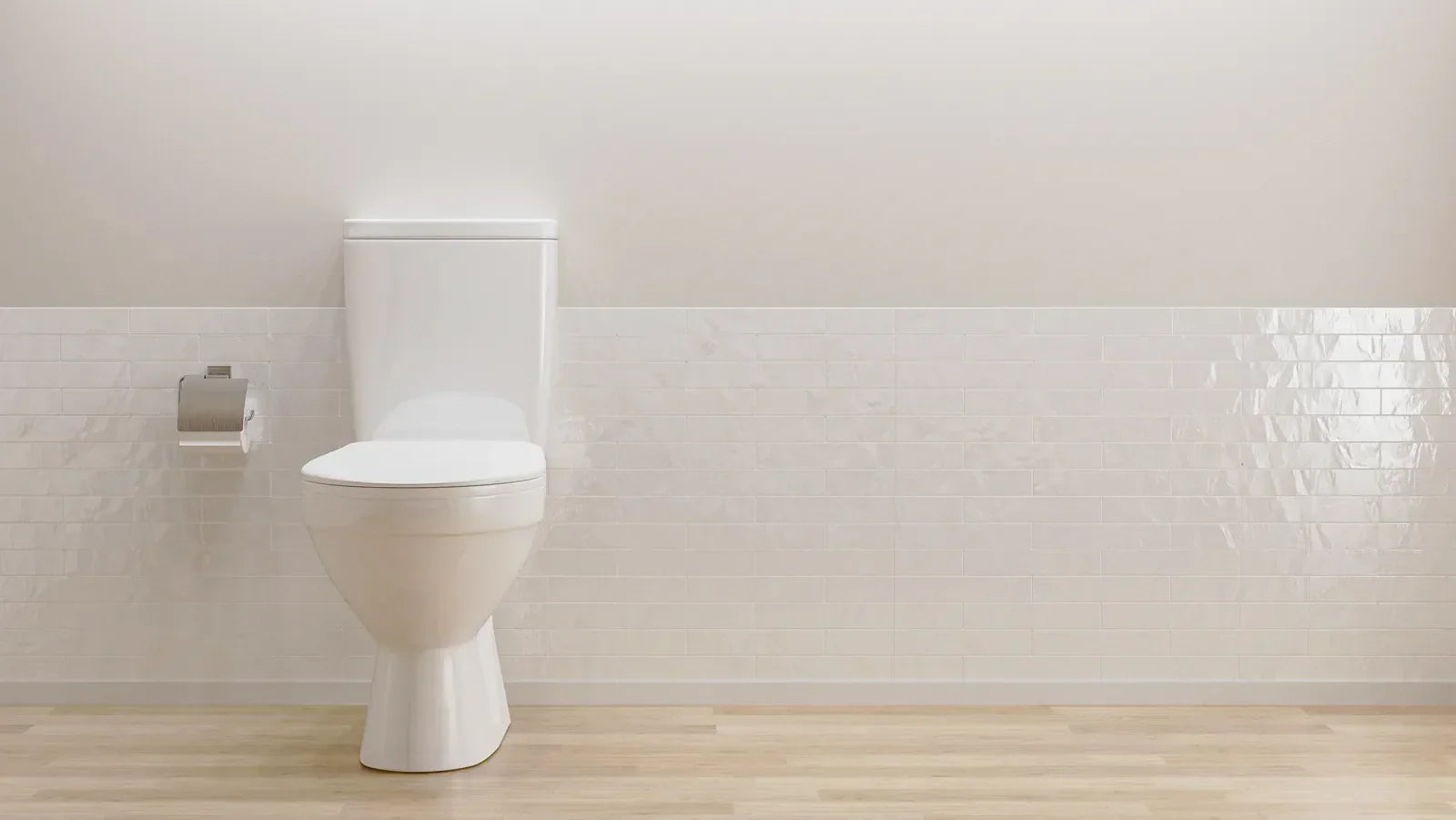


Leave a comment
This site is protected by hCaptcha and the hCaptcha Privacy Policy and Terms of Service apply.