
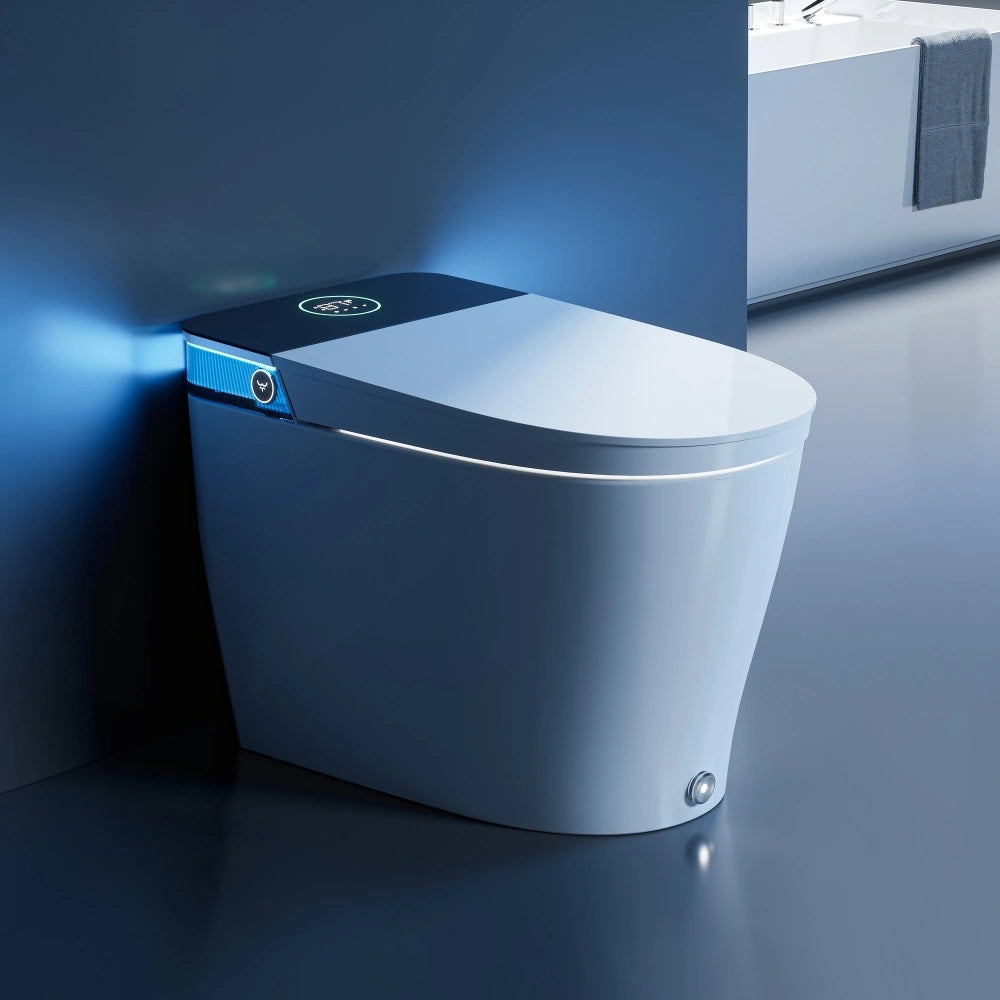
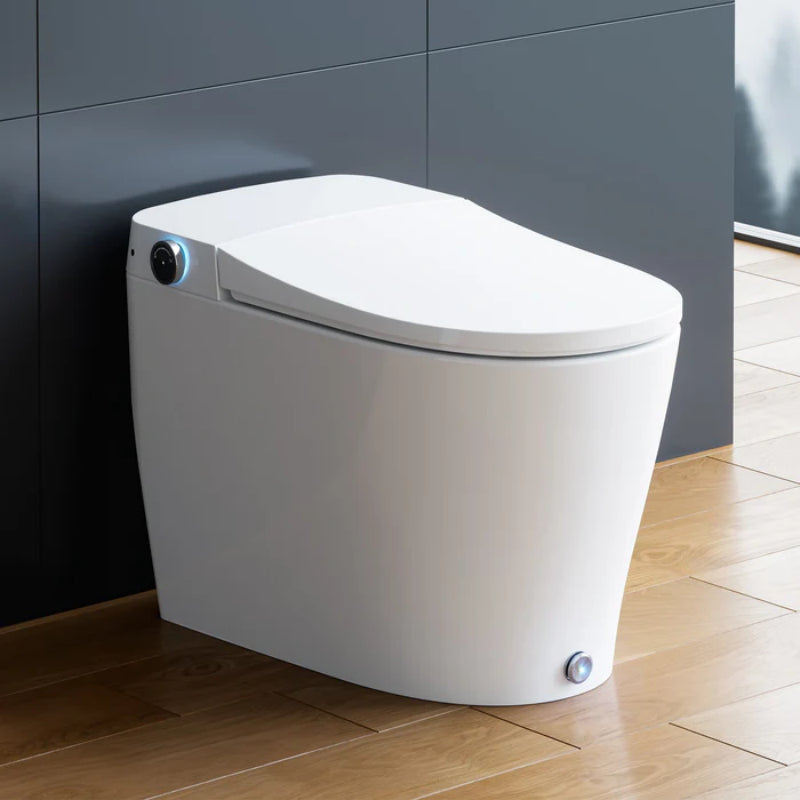
For most new moms, the best bidet for postpartum is a bidet seat, because warm water, gentler pressure control, and less wiping usually make recovery easier. If you want the lowest-cost option for an existing toilet, or you rent and need something simple, choose a bidet attachment. If you only need short-term help for a few weeks and want the cheapest fix, skip both and use a peri bottle.
Bringing a baby home is hard enough. Bathroom trips should not be the part you dread.
If you are recovering from a vaginal birth, dealing with stitches, hemorrhoids, swelling, or just raw soreness, a bidet can make cleaning feel much less harsh than toilet paper. If you had a c-section, the benefit is often different: less twisting, less reaching, and less wiping when your core hurts. That is why so many new moms start searching for the best bidet for postpartum recovery after the first few painful bathroom visits.
But the real question is not “Which bidet has the most features?” It is: Should you buy a seat, an attachment, or just stick with a peri bottle?
Here’s what usually matters in real homes: comfort, ease of use, setup effort, and whether you will still want it after recovery ends.
Decision Snapshot
A bidet is a great pick for gentle hygiene for new moms, with warm water wash for postpartum healing that cuts infection risk and supports pregnancy and postpartum care via non-contact cleaning after childbirth.
Best for vaginal birth soreness
Choose a bidet seat if you have perineal pain, stitches, hemorrhoids, or strong tenderness and want the gentlest experience. Warm water bidet wash helps postpartum soreness and healing more than cold water for many women, because cold spray can feel abrupt on sensitive tissue.
Best for c-section mobility limits
Choose a bidet seat if bending, twisting, or reaching is hard after surgery. A seat is easier to use day to day, especially if it includes side controls or a remote and a drying option that reduces wiping.
Choose attachment if renting
Choose a bidet attachment if you rent, need a lower-cost solution, or want a bidet attachment for postpartum care on an existing toilet without replacing the whole seat. It gives you the core benefit, but usually with fewer comfort features.
Choose bottle if recovery is temporary
Choose a peri bottle if you only want help for a few weeks, do not want to install anything, or cannot change your toilet setup. It is the cheapest path, but less convenient and less hands-free.
Best bidet for postpartum vs alternatives
The best postpartum option depends on whether you care most about comfort, budget, or short-term practicality.
Seat vs attachment
A bidet seat replaces your current toilet seat. It usually offers the best bidet seat for postpartum recovery after vaginal birth because it tends to include warm water, more precise pressure control, better aiming, and sometimes warm air drying.
A bidet attachment sits under your current toilet seat. It is cheaper and easier on the budget, which is why many people look for the best bidet attachment for postpartum care on an existing toilet. But many attachments use cold water only, and their controls are often more basic.
Bidet vs peri bottle
A peri bottle is common after birth for good reason. It is inexpensive, portable, and requires no setup. It also gives you full control over where the water goes.
But a bidet is easier once installed. You sit down, turn a dial or press a button, and clean without squeezing a bottle or reaching much. If you are sore, tired, and using the bathroom many times a day, that convenience matters.
Attachment vs handheld sprayer
A handheld sprayer can work, but for postpartum recovery it is not usually the easiest first choice. It takes more hand control, can feel stronger than expected, and may create more splash if you are not careful. It can be useful for cleaning the toilet or rinsing cloth items, but it is less “set it and forget it” than a seat.
Comparison table
| Option | Best for | Typical cost | Setup | Comfort | Warm water | Pressure control | Good for c-section | Good for renters | Long-term value |
| Bidet seat | Most postpartum recovery needs | Higher | Moderate | Best | Usually yes | Usually best | Yes | Sometimes | High |
| Bidet attachment | Budget-friendly recovery help | Lower | Easy to moderate | Good, but simpler | Sometimes no | Varies | Fair to good | Yes | Good |
| Peri bottle | Short-term recovery | Lowest | None | Good if used carefully | You control temp | Full hand control | Fair | Yes | Low |
| Handheld sprayer | Flexible use beyond postpartum | Low to mid | Moderate | Mixed | Depends | Can feel strong | Fair | Sometimes | Medium |
The key point is simple: if comfort is the priority, choose a seat. If cost and easy setup matter more, choose an attachment. If this is only for the first few weeks, a peri bottle may be enough.

Key differences that actually matter
A lot of buying guides spend too much time on features that sound nice but do not change the outcome. For postpartum use, only a few differences really matter.
Warm water changes comfort most
If you ask what to look for in a bidet for postpartum hygiene and comfort, warm water is near the top. This is the feature that changes the experience the most.
Postpartum tissue can feel swollen, bruised, dry, or tender. A warm water bidet wash helps postpartum soreness and healing by making cleaning feel less sharp and less startling than cold spray. That does not mean cold water is harmful. Some women even like cool water for swelling. But if you want the safest bet for comfort, warm water usually wins.
This is one reason seat models tend to work better for new moms. They are more likely to provide steady warm water, while basic attachments often do not.
Pressure control prevents irritation
The second big issue is pressure. An adjustable water pressure bidet for postpartum sensitive areas matters much more than extra wash modes or fancy lights.
Right after birth, high pressure can sting. This is the biggest fear many women have: will water pressure hit stitches and make things worse? The answer is that it can feel uncomfortable if the pressure starts too high. So you want a unit that lets you begin at a very gentle setting and increase slowly only if needed.
For women with perineal pain, this matters even more. If you are wondering how to choose a bidet for postpartum women with perineal pain, choose one with fine pressure control, not just “low” and “high.”
Drying reduces wiping contact
A warm air dryer is not essential. But is a warm air dryer bidet good for postpartum recovery? For many women, yes.
The dryer helps because less wiping means less friction. During recovery, even gentle dabbing with toilet paper can feel rough. A dryer does not replace all drying in every case, especially with heavier postpartum bleeding, but it can reduce how much contact you need.
If you had a c-section and twisting to wipe feels hard, the dryer becomes more useful.
Setup effort matters after birth
This gets ignored too often. A seat may be better, but if installation feels like a project and you have a newborn at home, that matters.
An easy-to-install bidet for new moms during postpartum recovery is often the one that actually gets used. Attachments usually win here. They are lighter, cheaper, and quicker to install on an existing toilet. A full seat may need an outlet nearby and can feel more involved.
So if your partner can install it before birth, great. If not, and you need help fast, an attachment may be the practical choice.
Cleaning access affects daily use
A self-cleaning nozzle bidet for better postpartum hygiene is worth paying attention to. During postpartum recovery, hygiene feels more important than ever. You want a unit that keeps the nozzle protected and easy to rinse or clean.
This matters even more in a shared household. If your partner, older kids, or guests use the same toilet, you may care a lot about whether shared use feels hygienic. Self-cleaning nozzles help, but they do not mean “never clean it.” You still want easy access around the hinges and controls so the toilet area is simple to wipe down.
When best bidet for postpartum is better
A bidet is a great choice for gentle hygiene for new moms and postpartum healing.
You want warm water relief
If your main issue is stinging, swelling, or feeling raw after a vaginal birth, a bidet can feel far gentler than dry wiping. This is especially true if you are using pads often and your skin already feels irritated.
In that case, the best postpartum bidet features for gentle cleansing and reduced irritation are warm water, low starting pressure, and a wash that does not force you to lean around much.
You need less bending after c-section
For c-section recovery, the question is not just soreness. It is movement. Turning, reaching, and bending can all pull on the incision area.
A bidet for postpartum recovery after c-section without bending is helpful because it cuts down the need to reach behind you repeatedly. A seat does this best because the controls are easy and the wash is more automatic. Add drying, and there is even less wiping.
You want non-contact cleaning
Non-contact cleaning options for postpartum bathroom care are a real quality-of-life improvement. When you are bleeding, sore, sleep-deprived, and maybe nervous about infection or irritation, touching less is appealing.
A bidet lets water do most of the work. That often feels cleaner and calmer than wiping again and again.
You may use it long term
This is where a seat starts to make financial sense. If you think you will keep using it after recovery, then a bidet seat is easier to justify. Many families keep using it for regular hygiene, periods, hemorrhoids, and less toilet paper use.
So yes, can a bidet reduce toilet paper use after childbirth? Absolutely. In fact, that may be one of the benefits that lasts after postpartum recovery is over.

When the alternative is better
A bidet can eliminate discomfort, yet simpler options suit short-term postpartum care.
You need the cheapest fix now
If your budget is tight and you need relief today, a peri bottle is the easiest answer. It costs less, does not need installation, and works right away. If you want a step up from that without spending much, a simple attachment is the next move.
You cannot replace the seat
Some toilets are awkward. Some landlords are picky. Some bathrooms do not have a nearby outlet for a warm-water seat. In those cases, an attachment or bottle is often the better choice because it avoids bigger setup issues.
You worry installation will be annoying
This concern is reasonable. New parents do not need one more unfinished project. If you know there is a good chance the box will sit in a corner for three weeks, buy the easier option.
For many people, that means an attachment. For some, it means just using a bottle until life settles down.
You only need short-term recovery help
If you are sure you only want support for the first month or so, a peri bottle may be enough. This is especially true if your doctor or hospital already gave you one and it works well for you.
The difference is convenience. A bottle works. A bidet tends to work with less effort.
Seat vs attachment in real use
This is the comparison most shoppers actually need.
A seat feels more finished. It usually offers the best comfort, better controls, and more features that matter postpartum, like warm water, a heated seat, and drying. A heated seat and warm water bidet for postpartum bathroom comfort may sound like a luxury, but when you are going to the bathroom many times a day while sore, those details can feel practical, not fancy.
An attachment is more stripped down. It does the main job: rinse with water. If you get one with decent pressure adjustment and a gentle front wash, it can still be very helpful. But this is where bidet seat vs bidet attachment for postpartum recovery becomes clear: the seat is better if comfort is the goal; the attachment is better if price and easy setup come first.
One overlooked point is posture. Seats often have a more predictable spray position and controls that are easier to reach without shifting much. That can matter if sitting itself is uncomfortable.
Real buyer doubts before choosing
These are the questions people ask once they stop browsing specs and start imagining actual use.
Will water pressure sting stitches?
It can, if the stream starts too strong. That is why gentle pressure control matters so much.
The safest way to use a bidet after giving birth is to start at the lowest setting, aim carefully if the unit allows it, and let the water do the cleaning without turning it into a power wash. Many women find that a low, warm rinse feels better than wiping. If you have severe pain, unusual bleeding, signs of infection, or provider instructions to avoid certain products or methods, follow your clinician’s guidance.
Is warm air dryer worth it?
For many postpartum users, yes, but it is not essential.
A dryer helps most if:
-
wiping is painful
-
you had a c-section and want less reaching
-
you plan to keep the bidet long term
It helps less if:
-
you are on a tight budget
-
you only want short-term recovery support
-
you do not mind patting dry gently
So is a warm air dryer bidet good for postpartum recovery? Usually yes, but only after the core features are covered: warm water and gentle pressure.
Can a bidet help hemorrhoids?
Yes, often. Can a bidet help with hemorrhoids after childbirth? It can help by reducing friction from toilet paper and making bowel movements easier to clean up afterward. Warm water may also feel soothing.
It is not a treatment by itself. But for comfort, it often beats repeated wiping.
Will shared use feel hygienic?
This depends on the design. A self-cleaning nozzle helps. A protected nozzle position helps. Easy-to-clean surfaces help.
For shared bathrooms, choose something simple to wipe down and inspect. Fancy features matter less than whether you can keep it clean without extra hassle.

Can it reduce toilet paper use?
Yes. Most users use less toilet paper with a bidet, sometimes much less. During postpartum recovery, that is not just about savings. It means less rubbing on sensitive skin.
Is a bidet good for postpartum recovery?
In many cases, yes. A bidet can be one of the most practical bathroom upgrades for postpartum care because it cleans gently, reduces irritation from wiping, and may feel easier to use during both vaginal birth recovery and c-section recovery.
This is part of why some clinicians and postpartum resources mention peri rinsing and gentle water cleansing after birth. In the US, providers commonly recommend gentle washing over aggressive wiping for postpartum comfort, even if they do not always specify a bidet by name. The principle is the same: reduce friction, keep the area clean, and make bathroom trips less painful.
That said, a bidet is a comfort tool, not a cure. It does not replace medical care. If something feels off, pain is getting worse, or healing does not seem right, talk to your provider.
How to adjust settings for comfort
New moms often worry they will use it wrong. The safe approach is simple.
Start with warm or lukewarm water if available. Begin at the lowest pressure setting. Shift your position only slightly if needed, because too much moving on the seat can be uncomfortable after birth. Use a short rinse first. If it feels good and you need more cleaning, increase slowly.
Afterward, let the dryer run if you have one, or pat dry gently instead of wiping hard.
This is also why the best-rated bidets for new moms in 2026 will not just be the ones with the most features. The better choices are the ones that let you control the basics well: warmth, pressure, and simple use.
What to look for before buying
If you only remember a few features, make them these.
First, choose warm water if comfort is your top concern. Second, make sure the unit has very gentle pressure adjustment. Third, look for a self-cleaning or protected nozzle for easier hygiene. Fourth, think about whether drying would truly reduce wiping enough to be worth the extra cost. Fifth, be realistic about installation.
In short, what to look for in a bidet for postpartum hygiene and comfort is not a long feature list. It is the small set of things that affect pain, effort, and cleanliness every day.
Final Verdict
Most new moms should choose a bidet seat because it gives the gentlest, easiest postpartum experience, especially after vaginal birth soreness or a c-section that makes wiping harder. Choose a bidet attachment if you want a lower-cost option for an existing toilet, rent your home, or need something simple and quick to install. Choose a peri bottle if you only need short-term recovery help and do not want to change your bathroom setup. If comfort is the priority, the seat is the better call.
Before You Buy
-
Check if your toilet has a nearby electrical outlet for a warm-water seat.
-
Make sure the bidet offers very low pressure, not just standard pressure.
-
If you are recovering from a c-section, prioritize easy controls and less reaching.
-
If you rent, confirm you can install and remove the unit without trouble.
-
Choose a model with easy-to-clean surfaces and a self-cleaning nozzle if possible.
-
Decide whether you want this only for recovery or for long-term household use.
-
If your budget is tight, compare a basic attachment against simply using a peri bottle.

FAQs
Is a bidet good for postpartum recovery?
A smart bidet postpartum is a great pick for maternal care, ideal for women during pregnancy and the postpartum period. Washing with water reduces irritation, eases perineal soreness and hemorrhoids, maintains cleanliness, and lowers infection risk for vaginal birth or those delivered via c-section, serving as the ultimate postpartum essential for new mothers.
How to use a bidet after giving birth?
After childbirth, use a soft stream of water and low adjustable water pressure, with extra care to avoid painful bending. Both bidet seat and easy to install bidet attachment fit existing toilets, and the self-cleaning nozzle supports gentle hygiene to aid postpartum healing for new moms.
Best-rated bidets for new moms in 2026?
Top postpartum bathroom essentials 2026 combine women's tech and luxury design, perfect as luxury gifts for new mothers US while advancing women's health through smart home tech. Built with heated water, warm air dryer and heated seat features, they deliver gentle hygiene for pregnancy and after childbirth.
Why do US doctors recommend bidets for recovery?
Healthcare professionals recommend bidets as many women experience vaginal discharge and sensitivity post-birth. Non-contact cleaning is gentler than wiping, helps advance maternal wellness, regulates hygienic bowel movements, and speeds up postpartum recovery at home.
How to adjust bidet settings for maximum comfort?
Start with mild warm water and the lowest spray pressure for postpartum women, then tweak adjustable settings to suit soreness. Smart toilet features let you customize cleansing modes, keeping routine gentle and comfortable throughout pregnancy and the postpartum period.
References


Leave a comment
This site is protected by hCaptcha and the hCaptcha Privacy Policy and Terms of Service apply.