
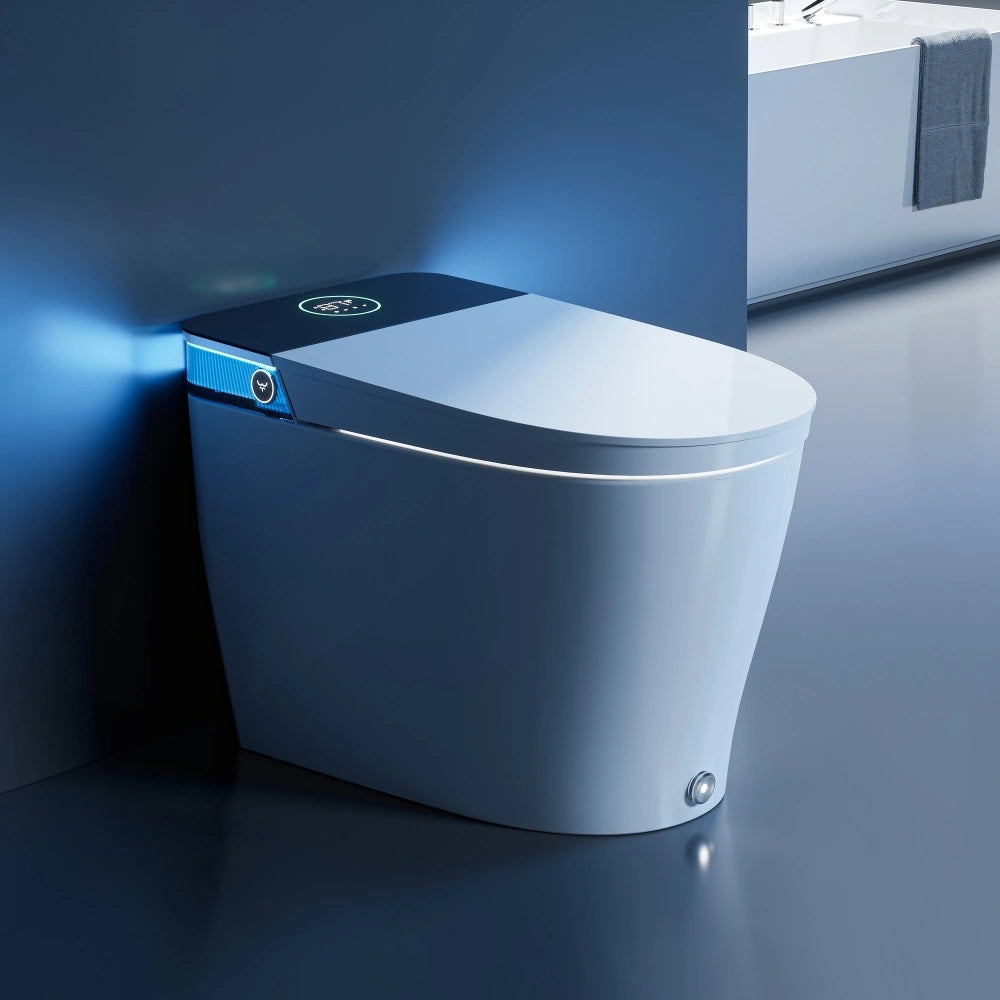
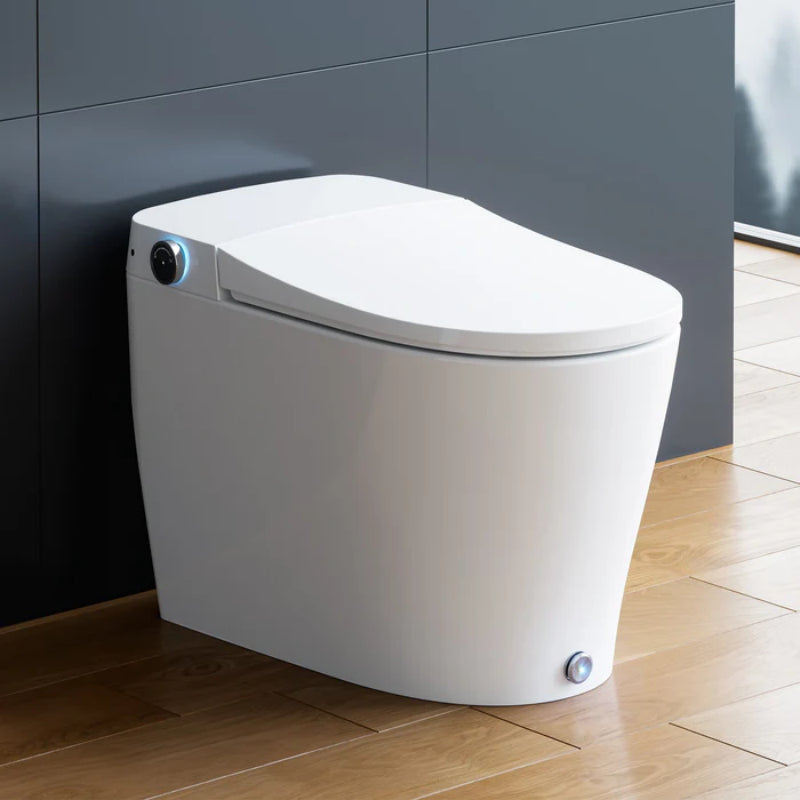

Modern heated toilet seats have become a common bathroom upgrade, and it's easy to see why — a toilet seat is a small change that can noticeably shift how a bathroom feels in daily life. In real homes, it can be a small daily comfort—or one more powered device to fit, plug in, clean around, and troubleshoot. The key is knowing whether the benefits of heated toilet seats are strong enough in your specific situation to justify the friction.
Decision snapshot: when it makes sense (and when to skip)
The benefits of heated toilet seats are most obvious for people who check several of the following boxes. Good fit if you:
-
Live in a cold climate or have a drafty bathroom (especially over a garage or on an exterior wall)
-
Use the bathroom at night or early mornings and hate “cold seat shock”
-
Have a nearby GFCI outlet and don’t mind a cord near the toilet
-
Want a comfort upgrade and accept that electronics can fail over time
Skip or think twice if you:
-
Rarely notice seat temperature, or your bathroom stays warm year-round
-
Have a nonstandard toilet shape/size or very tight clearances
-
Don’t have an outlet near the toilet (and don’t want electrical work)
-
Get annoyed by settings, sensors, or anything that needs occasional reset/maintenance
Will you actually feel the comfort benefits daily?
The main benefits of heated toilet seats are straightforward, and the benefits of using a heated seat become most obvious in your daily bathroom routine. Sitting on a heated toilet seat in a cold room is a genuinely different experience—sitting on a warm seat first thing in the morning is far more pleasant than bracing for a cold surface. People who love heated seats usually fall into two groups: those with genuinely cold bathrooms, and those who are very sensitive to cold surfaces.
Are heated seats worth it in winter?
In winter, the benefits of heated toilet seats are real and noticeable—especially in bathrooms with tile floors, poor ventilation balance, or outside-wall plumbing chases. If you've ever avoided sitting fully down because the seat is icy, you're the target user. Heated toilet seats typically deliver the clearest payoff in these conditions, and seats typically make the strongest case for themselves in climates with long, cold winters. For those users, a heated toilet seat is worth the investment—the daily comfort gain makes the seat worth the added complexity.
Where the novelty wears off:
-
If your bathroom is already kept warm, you may stop noticing the heat after a week or two.
-
In a busy household, “warm when I need it” matters more than “warm sometimes.” If timing is off (because of sensor behavior or energy-saving mode), you may feel let down.
A simple way to predict value: ask yourself how often you notice the seat is cold now. If it’s only “once in a while,” the comfort return is smaller.
Adjustable temperature: why “warm” can feel wrong
Adjustable temperature toilet seats help, but they also create a new decision: what temperature is "right"? It's worth noting that bidet toilet seats feature adjustable water temperature as well—so if you're already considering a seat with bidet functions, the same calibration logic applies to both heat settings.
What surprises people:
-
Warm can feel too hot in summer or after a shower when your skin is already warm.
-
Warm can feel too mild in a very cold room because your legs and feet are cold, so the seat still doesn’t feel comforting.
-
The same setting can feel different depending on the bathroom temperature and how long the seat has been idle.
In practice, many households settle into a “winter setting” and a “summer setting,” then forget to change it until someone complains.
Comfort trade-offs: lag, sensors, and cooldown
Not all heated seats feel warm the moment you sit down—using the toilet in a cold bathroom environment and expecting immediate warmth can lead to disappointment if the seat is in eco mode. Common real-world behaviors include:
-
Warmth lag: If the seat is in an eco mode, it may take a minute or two to reach the temperature you expect.
-
Sensor-based heating: Some seats warm only after detecting someone nearby or seated. That saves energy, but it can mean the first 30–60 seconds feel lukewarm.
-
Cooldown between uses: In a busy home, the seat might stay warm. In a guest bath, it may be cold every time because it’s rarely used and stays in low-power mode.
None of these are dealbreakers, but they are the gap between “hotel-like” expectations and day-to-day reality.
What will it cost to run—and does it use much electricity?
Based on guidance from the U.S. Department of Energy on estimating appliance energy use, weighing the benefits of heated toilet seats against running costs depends less on the seat itself and more on how it's actually used.
A heated toilet seat uses electricity in two main ways:
-
Keeping the seat warm (higher draw, cycles on/off)
-
Standby power for electronics (small but constant)

Do heated toilet seats use much electricity all day?
Many people search fo heated toilet seats use much electricity before buying—and the honest answer is: less than most expect. Do heated toilet seats use much electricity all day?
If you leave the heat on all day at a high setting in a cold bathroom, the heater cycles more often. If you use eco/sensor modes, it cycles less—many heated seats are designed around this trade-off. In these modes, seats use minimal power during standby, and seats save a meaningful amount compared to always-on operation. The exact amount seats use depends on your room temperature and usage schedule. That difference usually matters more than the seat’s maximum watt rating.
Also note: some “smart seat” setups bundle other powered features (like a control panel, sensor system, or other electronics). Even if the seat heat is off, there can still be standby use.
Hidden cost drivers that change the bill
These factors can push costs up or down:
-
Set temperature level (high settings cycle more)
-
Bathroom ambient temperature (colder room = more cycling)
-
How long it’s left “ready” (all day vs mornings only)
-
Seat insulation and fit (poor fit and air gaps can lose heat faster)
-
Standby power (small, but 24/7 adds up)
Simple monthly cost range (typical use)
Assumptions for this table:
-
Typical U.S. electricity price around $0.16/kWh (your rate may be higher or lower)
-
Ranges reflect different habits and room temperatures, not a single fixed model
|
Use pattern |
Summer/month | Winter/month |
| Low: eco/sensor, used a few times/day | ~$0.50–$1.50 | ~$1–$3 |
| Medium: scheduled hours (mornings/evenings) | ~$1–$3 | ~$2–$6 |
| High: heat kept on most of the day | ~$3–$6 | ~$5–$12 |
According to the U.S. Energy Information Administration (EIA), typical U.S. electricity rates average around $0.16/kWh, though your rate may be higher or lower. The key point is that the cost is usually not huge, but it’s also not zero—especially in winter, in a cold room, with “always-on” habits.
Will it fit your toilet and routine without becoming annoying?
Fit and setup cause more regret than the heat itself—even when the benefits of heated toilet seats are genuinely felt every day.

Fit problems: when it “kind of works”
Toilet seats are not one-shape-fits-all, and before you upgrade your bathroom with a heated seat, you need to verify compatibility with your existing toilet. Most manufacturers list supported dimensions, but the only way to be sure is to measure your specific toilet model. Even a modern toilet with standard dimensions can present fit issues depending on the hinge spacing and tank clearance. Common mismatch issues include:
-
Round vs elongated bowl shape mismatch (overhang or short coverage)
-
Bolt spacing that technically mounts but leaves the seat shifted
-
Tight clearance between the tank and seat hinge area
-
Lid hitting the tank or not opening fully
-
Seat height and angle feeling “off,” even if it mounts
People sometimes live with a “close enough” fit, but it can wobble, look awkward, or be harder to clean. If you’re already picky about a stable seat, treat fit as a make-or-break detail.
Setup realities: outlet, GFCI, and cord routing
Most heated seats need to be plugged in. In real bathrooms, that means:
-
You need an outlet close enough that the cord reaches without strain.
-
Bathrooms typically require GFCI protection for safety. If your outlet situation is old or unclear, you may need an electrician.
-
You’ll have a visible cord unless your outlet is placed very conveniently.
A common regret: expecting a clean look, then realizing the cord has to run along the wall, behind the toilet, or near where you mop.
Also: avoid using extension cords in bathrooms. If the outlet isn’t close, the “simple upgrade” can turn into a small electrical project.
Daily-use friction: settings, guests, and kids
Even if the seat is comfortable, the user experience can annoy some households:
-
Remotes or side panels can feel like “too much” for a toilet.
-
Guests may not know what to press, or may change settings.
-
Kids can crank temperature up/down or trigger features accidentally.
-
Some seats behave differently depending on the sensor, which can confuse people (“Why isn’t it warming?”)
If your household prefers simple fixtures that never need explanation, that’s a real compatibility issue.
What problems show up after months or years?
Appliances age, and keeping that in mind helps you enjoy the benefits of heated toilet seats without setting yourself up for disappointment.

What “partial failure” feels like
A total failure is obvious. Partial failure is what frustrates homeowners:
-
The seat warms, but not evenly (one side feels cooler)
-
It warms, but won’t reach the set temperature
-
It warms, but takes much longer than it used to
-
The seat works, but controls act up after a power flicker
-
The seat works, but the sensor becomes finicky
This is where expectations matter. If you expect it to work perfectly for decades like a basic plastic seat, you’re more likely to regret the purchase.
Cleaning and hygiene: small crevices matter
A heated toilet seat often has:
-
More seams near hinges
-
Sensor areas
-
A control panel or mounting hardware that’s bulkier than a basic seat
That can mean more places for grime to collect. You may need to clean more carefully and more often, especially around hinge caps and where the seat meets the bowl.
If you already dislike cleaning toilets, be honest: extra seams and hardware can become an everyday irritation.
Long-term ownership checklist
Use this to spot issues early:
-
Fit: seat stays tight and doesn’t shift side-to-side
-
Heat: reaches target temperature and feels even
-
Controls: buttons/remote respond consistently
-
Sensor: activates normally without “dead” moments
-
Cleaning: hinges and seams can be wiped without struggle
-
Safety: cord and plug stay dry and protected from splashes
When is a heated toilet seat overkill?
If your bathroom is warm, your seat never feels cold, and you don't use the toilet at night much, the benefits of heated toilet seats are minimal—and the added complexity is unlikely to feel worth it.
Also separate the idea of "comfort" from "hygiene." The comfort of smart toilet seats often comes from integrated features—bidet functions, warm water, or air drying—not from seat heat alone. Those are distinct benefits that shouldn't be conflated with simple warmth.
A heated bidet toilet seat is a different product category from a basic heated seat. Where standard heated toilet seats offer warmth only, bidet toilet seats offer a more complete hygiene upgrade. Heated toilet seats come integrated with bidet sprays in many mid-to-high-end models, and seats also come with warm-air drying, meaning toilet seats often come with enough features to meaningfully improve hygiene and replace traditional toilet paper use entirely.
Heated toilet seats also raise a sustainability angle worth considering. A heated bidet setup eliminates the need for toilet paper in most uses, which matters to households thinking about environmental sustainability—the water and energy associated with toilet paper production is substantial. Toilet seats provide a real alternative here, but only if the bidet function is present. Toilet seats typically sold as "heated only" don't deliver this benefit.
Many heated toilet seats come with enough features to genuinely enhance your bathroom experience and deliver both comfort and hygiene improvements—but you need to confirm which features are included before purchasing. If you're integrated with bidet functions as your primary goal, confirm the specific model includes them. If your main goal is hygiene or reducing toilet paper usage, make sure you're not expecting the seat heater alone to deliver that.
A practical “comfort-per-annoyance” test:
-
If you’d pay a small monthly amount to never feel a cold seat again, you’ll probably like it.
-
If cords, settings, or cleaning around gadgets irritate you, you may dislike it even if it feels nice in January.
Before You Choose checklist
-
Confirm your toilet shape and clearances (front overhang and tank gap).
-
Confirm you have a nearby GFCI-protected outlet without using an extension cord.
-
Decide if you want always-on warmth or eco/sensor warmth (they feel different).
-
Accept that it’s an appliance: performance can drop over years.
-
Think about who shares the bathroom (kids, guests, anyone who hates controls).

FAQs
1. Is a heated toilet seat worth it?
A common question people ask sre heated seats worth it in winter, benefits of heated toilet seats being the main deciding factor—and the answer really depends on your bathroom conditions. If you live somewhere cold, hate that "cold seat shock" in the morning, or use the bathroom at night, it's probably worth considering. If it's just occasional, the comfort benefit might not outweigh the hassle of cords, maintenance, and potential breakdowns. The key is whether you'll genuinely enjoy it every single day.
2. How much electricity does a heated toilet seat use?
Not as much as you'd think. Running it in eco or sensor mode costs maybe a dollar or two a month. Even in winter with moderate use, you're looking at five to ten dollars monthly. The real factor is your habits—keeping it on all day uses more than just warming it during certain hours. Most people find the electricity cost pretty reasonable and definitely not a dealbreaker.
3. Can you leave a heated toilet seat on all the time?
Technically yes, but it's not the best idea. Your electric bill will go up, especially in winter. Most people prefer scheduling it to specific times—mornings and evenings, for example. Many seats have eco or sensor modes that heat only when someone's nearby, which saves energy. Leaving it running constantly also means the seat ages faster. Finding a routine that works for your household is smarter.
4. Do heated seats help with constipation?
The article doesn't cover this, so I can't say for sure. Heated seats are really just about comfort and warmth, not about fixing digestive or health issues. If you have health concerns, talk to a doctor. Some fancy seats do include other features like bidet spray or air drying, but basic warmth alone isn't designed to address medical problems.
5. What are the pros and cons of heated seats?
Pros: Super comfy in winter, especially in cold bathrooms; no more dreading early-morning or nighttime trips. Cons: Requires an outlet nearby (maybe electrical work); it's an appliance that can break over time; controls and settings can get annoying; extra cleaning around seams and hinges; might not fit your specific toilet perfectly.
6. Are heated toilet seats safe?
Generally safe if you do it right. The main thing is using a GFCI-protected outlet—it'll cut power if something goes wrong. Don't use extension cords; run it to a nearby outlet instead. Keep the cord and plug away from splashes and water. Quality brands usually meet safety standards. The real risk isn't the heating itself, but poor installation or wear over years. Buy from a reputable brand and install correctly, and you're fine.
References


Leave a comment
This site is protected by hCaptcha and the hCaptcha Privacy Policy and Terms of Service apply.