



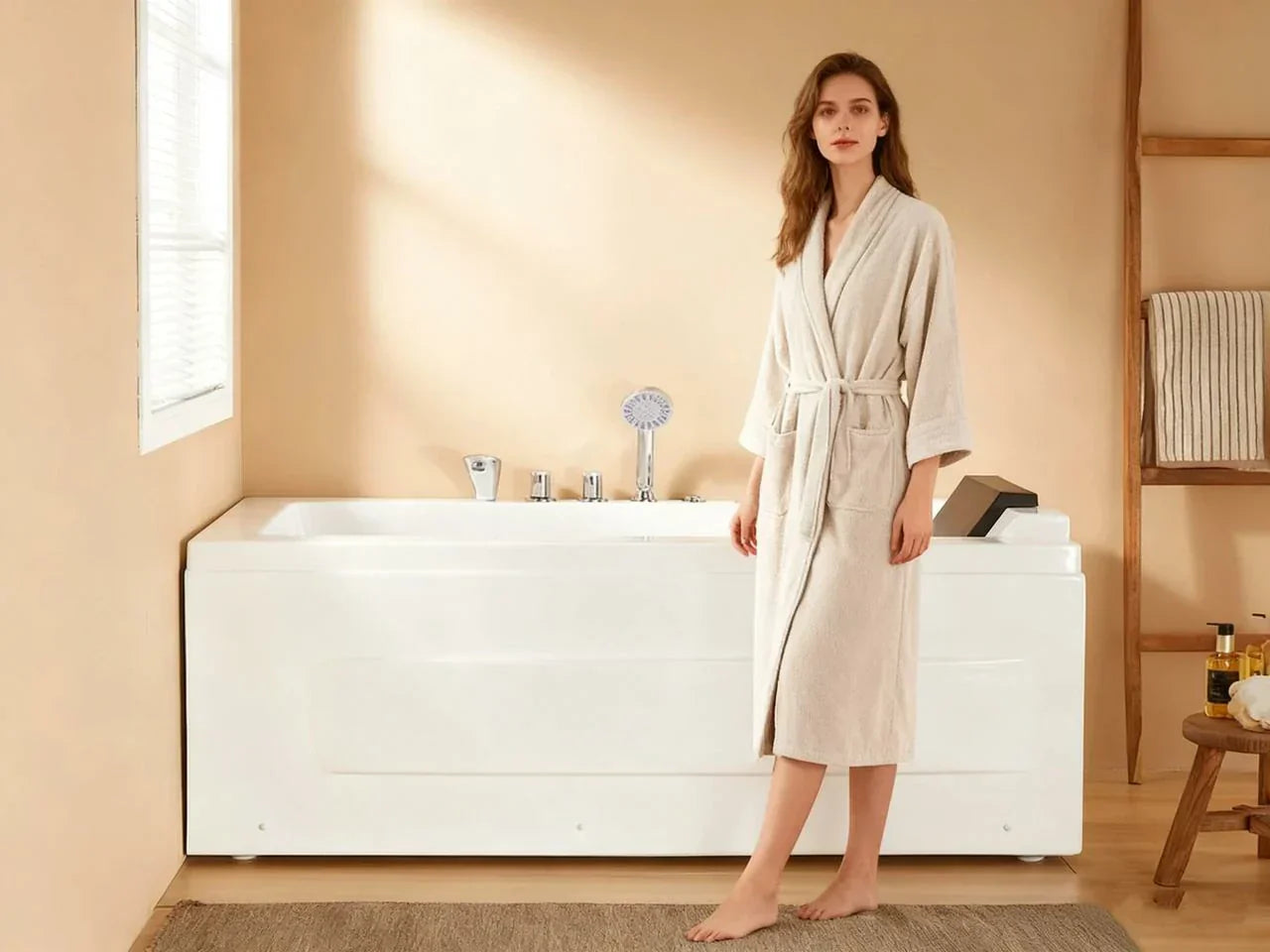
Thinking about a bath to shower conversion, but not sure what it really costs, how long it takes, or whether it will hurt your home’s resale value? You’re not alone. Many homeowners look at that old tub and wonder if a sleek, low-maintenance shower would fit their life better.
This guide walks you through the real tub to shower conversion cost, timelines, common problems, and design choices, in plain language. You’ll see where you can save, when you should hire a contractor, and how to plan a safe, code-compliant project that still looks great.
Bath to Shower Conversion at a Glance
Converting a bathtub into a shower is becoming an increasingly popular choice for homeowners seeking both convenience and efficiency. Whether you’re looking to save space, improve accessibility, or simply update your bathroom’s style, understanding the essentials of a shower conversion is the first step.
Key Facts and Fast Answers (Costs, Timing, Satisfaction)
For a standard bathroom conversion from tub to shower in the U.S. in 2025, here is what most homeowners can expect.
-
Typical tub to shower conversion cost: $1,500–$8,000
-
National average cost: about $3,000
-
High-end or complex projects: $10,000–$15,000+
-
Typical project duration: 2–7 days of active work
-
Most common reasons: accessibility, modern style, easier cleaning
-
Most common surprise: hidden water damage, mold, or old plumbing
At-a-glance summary
| Factor | Typical Range / Note |
| Total conversion cost | $1,500–$8,000 (average around $3,000) |
| Custom walk‑in shower | $6,000–$12,000+ |
| Prefabricated shower kit | $1,000–$8,000 (materials) |
| Labor vs materials | Often close to 50% labor / 50% materials |
| Project duration | 2–7 days once work starts |
| Disruption level | Moderate: one bathroom out of use part or all of time |
| Skill level DIY | High if tiled shower; moderate for prefab kits |
| Homeowner satisfaction | High, especially for accessibility and cleaning |
Across blogs, YouTube projects, and Reddit threads, people who convert a bathtub into a shower usually report strong satisfaction with easier access, less bending, and a space that feels more open. Many also say they would add more storage, better lighting, or a handheld shower head if they could do it again.
Is a Bath to Shower Conversion Worth It?
Whether a shower conversion is “worth it” depends on how you live today and what you want from your home in the next 5–10 years.
Many people find it very worth the conversion cost because a walk-in shower can:
-
Improve accessibility and safety. Stepping over a tall tub wall can be hard or risky if you have knee pain, balance issues, or you’re planning to age in place. A low-threshold or curbless shower floor reduces trip hazards and can work better with a grab bar and seat. Based on CDC data, one in four older adults falls each year — many bathroom falls result in serious injuries — making low-threshold showers a safer option for seniors.
-
Make your bathroom feel larger. Removing a bulky bathtub and adding clear glass or a lighter enclosure often makes a small bathroom feel wider and brighter.
-
Cut cleaning time. Smooth shower walls, fewer corners, and good shower pan design can mean less scrubbing and fewer places for grime to build up.
On the other hand, a bath to shower conversion may not be right if:
-
You have only one bathroom and young children who need a tub for baths.
-
You plan to sell soon in a family-focused area where buyers expect at least one tub.
-
Your home has major old plumbing or structural issues that will turn a small remodel into a big home renovation.
A quick way to judge: if your household mainly takes quick showers, worries about slips and falls, and wants to modernize an old tub, a tub to shower conversion often pays off in comfort and daily use. If soaking baths are a big part of your routine or buyers in your area demand tubs, you may want to keep at least one tub in the home.
What Is Included in a Bath to Shower Conversion?
When people ask how to convert a tub to a shower, they’re often trying to picture what is actually done. A normal shower conversion project usually includes:
-
Demolition and disposal of the old tub, surround, and related trim.
-
Installing a new shower pan or base (prefabricated or custom built).
-
New shower walls (tile, acrylic, fiberglass, or solid-surface panels).
-
New fixtures: mixing valve, shower head, controls, maybe a handheld head.
-
A shower door (framed, semi-frameless, frameless) or a curtain rod.
-
Basic storage like a small niche or corner shelf.
-
Waterproofing, grout, caulking, and trim.
Common add-ons that raise both comfort and cost include grab bars, built-in or fold-down seats, extra niches, rainfall or multi-head showers, upgraded tile floor, and new lighting or fan controls.
Tub vs Shower: Which Fits Your Lifestyle Best?
Ask yourself a few questions before you change tub to shower:
-
Do you mostly shower now, or do you actually use the tub for soaking?
-
Do you bathe kids or pets in the tub often?
-
How will your mobility likely change in the next 5–10 years?
-
Are you trying to increase your home’s value for a future sale, or mainly improve daily life?
Here is a simple comparison to help you weigh a bathtub vs walk-in shower.
| Feature | Bathtub | Walk‑in Shower |
| Daily use | Better for soaking, bathing kids | Better for quick, daily showers |
| Accessibility | Harder to step over tub wall | Easier entry, can be low or curbless |
| Safety | Higher slip and fall risk getting in | Safer entry; can add ADA features |
| Space feel | Can make room feel smaller | Often feels more open and modern |
| Water use | ~30–50 gallons per bath (typical) | 10‑min shower ~20–25 gallons* |
| Cleaning | More corners and edges | Often smoother, easier to clean |
| Resale value | Good for families with young kids | Great for accessibility-focused buyers |
*Based on a 2–2.5 gallon-per-minute shower head.
If soaking baths are still important, consider upgrading to a HOROW tub, which combines traditional soaking comfort with modern efficiency and easier cleaning. If your home has more than one full bath, many homeowners choose to convert your tub in one bathroom and keep a standard shower-over-tub setup in another. That middle ground can protect resale appeal while you enjoy better access and a modern bathing experience.

Bath to Shower Conversion Costs, Savings, and ROI
Understanding the costs, potential savings, and return on investment (ROI) is crucial before converting a bathtub into a shower. This section breaks down typical pricing, highlights where you can save, and explores how a bath to shower conversion can affect your home’s value. Knowing these numbers helps you plan a project that is both budget-friendly and practical.
How Much Does It Cost to Convert a Tub to a Shower?
Most homeowners want a straight answer: How much does it cost to convert a bathtub to a shower?
For a typical U.S. home in 2025:
-
A basic tub to a shower conversion usually runs $1,500–$8,000, with the average cost around $3,000.
-
A larger, custom walk-in shower with tile, glass, and upgrades often costs $6,000–$12,000 or more.
-
Using a prefabricated shower kit with wall panels generally keeps costs lower: $1,000–$8,000 in materials, plus lower labor costs.
The cost to convert a bathtub also depends on:
-
Whether you keep drains and water lines in the same place.
-
Whether you choose acrylic panels or full ceramic or porcelain tile.
-
The type and size of the shower door (framed doors are usually less expensive than frameless glass).
-
Hidden repairs, such as subfloor repairs for water damage or mold.
If you compare a full shower remodel cost with a full bathroom remodel, a simple bath to shower conversion usually costs less because it keeps the same basic footprint and layout.
Detailed Cost Breakdown (Materials, Labor, Demolition)
To understand tub to shower conversion cost better, it helps to look at how money is usually spent.
-
Demolition and disposal. Removing an old steel or cast-iron tub and hauling it away can run from about $50–$500 for labor, plus around $100 for dump fees or disposal.
-
Shower base or pan. A basic acrylic or fiberglass pan can cost a few hundred dollars. A custom tiled pan, especially for a curbless or large walk-in shower, can cost far more because of the extra labor and waterproofing needed.
-
Walls and surrounds. Prefab acrylic or solid-surface surround systems tend to cost less than hand-set ceramic or porcelain tile, especially when you add in grout, backer board, and waterproof membrane.
-
Fixtures and plumbing. A new valve, mixing control, and chrome or black fixtures often cost a few hundred dollars on their own. With labor, plumbing upgrades often add $600–$1,500+, especially if you move the drain or raise/relocate the shower head.
-
Glass and doors. A simple framed sliding door is usually cheaper than a custom frameless shower enclosure that must be measured and cut. Heavy glass can be one of the most expensive single items.
-
Labor costs. In many regions, the bill splits roughly in half between labor costs and materials. In higher-cost cities, labor may take a larger share.
Prices also vary by region. City centers with high labor rates and strict permit rules tend to cost more than rural areas or suburbs. If you live in a condo with tight access or strict building rules, expect some extra charges.
ROI and Resale Value: Will It Add or Hurt Value?
Many people ask: Is it worth converting a bathtub to a shower? A key part of that answer is resale value.
Real estate and remodeling reports often show that:
-
A simple bath to shower conversion can return a solid share of its cost when you sell, especially in areas with older buyers or downsizers who want accessible homes.
-
A full bathroom remodel often has a return on investment (ROI) in the 60–70% range, depending on the market.
-
A smaller project like a shower conversion may have a similar or slightly higher ROI because it improves function and style without changing the whole room.
Here is a rough comparison.
| Project Type | Typical Cost Range | Typical ROI Range* |
| Bath to shower conversion | $1,500–$8,000+ | ~60–80% |
| Full mid-range bathroom remodel | $15,000–$25,000+ | ~55–70% |
| Luxury full bathroom remodel | $30,000–$60,000+ | ~50–60% |
*ROI varies widely by region and market conditions.
When a conversion helps value:
-
Your home has at least one other bathroom with a tub.
-
The likely buyer is an older person, a couple without young kids, or someone who values accessibility.
-
The old tub area is out of style or in poor shape, and the new shower clearly modernizes the room.
When it may hurt value:
-
You remove the only tub in a house that would appeal to families with small children.
-
You do a low-quality remodel that looks cheap or is not code compliant.
In many markets, a nice walk-in shower is seen as a smart upgrade as long as the home still offers a tub somewhere.
Does Converting My Only Tub to a Shower Hurt Resale?
This question comes up often: if you convert your only tub to a shower, will it scare off buyers?
The answer is: it depends on your local market and your likely buyer.
In suburban, family-focused areas, many real estate agents advise keeping at least one tub in the home because parents often want it for bathing kids. In a small condo in a city center, a well-done shower-only bathroom may be more normal and may not hurt resale at all.
To lower your risk, you can:
-
Keep a tub in another bathroom if you have one.
-
Add a shower over a bathtub in one room and do a full shower conversion in another.
-
Ask local agents what buyers in your school district or zip code want most.
If you know you will stay in the home for many years, your comfort and safety may matter more than guessing what a future buyer might want.

Planning Your Tub to Shower Conversion
Converting your bathtub into a shower requires careful planning to ensure the project meets your needs, budget, and style preferences. From choosing the right shower type and layout to selecting materials, fixtures, and smart bathroom solutions, thoughtful preparation can save time, reduce unexpected costs, and result in a more functional, accessible, and visually appealing space.
How to Know If Your Bathroom Is a Good Candidate
Not every bathroom is ready for a simple “swap.” Before you convert a bathtub into a shower, look at:
-
Plumbing location and condition. If the drain and water lines are in a normal position, and pipes are in good shape, your project will cost less. If you have old galvanized or even lead pipes, a plumber may need to replace sections for safety.
-
Size and layout. A standard tub alcove (about 60 inches long) usually converts well into a standard shower. Tiny or oddly shaped spaces may need custom pans or corner layouts.
-
Walls and structure. Out-of-plumb walls, window placement inside the tub area, or nearby load-bearing walls can limit how much you can move things.
-
Ventilation. An older bathroom without a fan or with a weak fan may need upgrades to prevent mold, especially when you switch to a full shower.
You can call your local building department or permit office, or check their website, to see if there are special rules about drain sizes, required vent fans, or safety glass near windows.
Setting a Realistic Budget (and Emergency Cushion)
When planning pricing for your shower conversion, it helps to pick a rough “tier”:
-
Basic retrofit. Uses a prefabricated shower pan and wall kit, keeps plumbing where it is, and may use a simple curtain or framed door. This is the lowest-cost path.
-
Mid-range upgrade. Uses ceramic or porcelain tile, a nicer glass door, a niche, better fixtures, and maybe a seat or grab bar. This is common in many middle-income homes.
-
High-end spa style. Includes a large or curbless shower, custom tile, multiple shower heads, a bench, niche lighting, and upgraded finishes.
No matter which path you choose, it is smart to set aside an extra 10–15% as a cushion. Many Reddit and YouTube projects find hidden water damage, mold, or framing problems behind an old tub. Having this extra budget keeps surprises from stopping the project.
Permits, Codes, and Safety Requirements
Homeowners often ask: Do you need a permit to change tub to shower?
In many places, the answer is yes if you:
-
Move or change plumbing lines or drains.
-
Add or change electrical circuits or outlets near water.
-
Change structural parts of the wall or floor.
A simple “liner over existing tub” may not need a permit, but a true bath to shower conversion usually does. Without a permit and inspection, you could have trouble later with insurance, resale, or hidden leaks.
Key safety topics include:
-
Waterproofing. Showers must have proper waterproof membranes, backer board, and sealed seams to prevent leaks into walls and floors.
-
Electrical safety. Outlets in bathrooms usually must be GFCI protected to cut power fast if there’s a fault in wet areas.
-
Ventilation. Building codes often require a vent fan that exhausts air to the outside, or a window of a certain size, to control moisture.
-
Accessibility guidelines. If you want a more ADA-like shower, there are suggestions for seat height, grab bar placement, and entry width.
You can check your local or state code requirements online or by calling your permit office. National electrical and plumbing codes, and ADA resources, are also available online if you want more detail.
How Long Does a Tub to Shower Conversion Take?
People often ask: How long does it take to remove a tub and replace with a shower?
For most projects:
-
1–2 days: Simple liner install or a basic prefabricated shower system where the plumbing stays put and walls are in good shape.
-
3–5 days: Standard remove-and-replace project with tile walls, new base, and minor plumbing or framing repairs.
-
5–7+ days: Custom walk-in shower, curbless design, major plumb changes, or serious repairs to framing, subfloor, or old plumbing.
Delays often result from:
-
Waiting for permits or inspections.
-
Discovering mold, rot, or water damage that needs repair.
-
Waiting for custom glass doors, tile orders, or special fixtures.
If you have only one bathroom, it helps to ask the contractor how many days the shower will be unusable and plan where you’ll bathe in the meantime.
Step-by-Step Tub to Walk-In Shower Remodel Process
Transforming a bathtub into a walk-in shower involves several key steps that go beyond simple demolition. Understanding each stage—from preparation and demolition to plumbing adjustments, waterproofing, tiling, and final fixture installation—ensures a smoother remodel, minimizes surprises, and delivers a stylish, safe, and functional shower space tailored to your needs.
Initial Inspection, Design, and Measurements
Every good shower remodel starts with careful planning. In this stage, a pro or experienced DIY homeowner will:
-
Inspect walls and the subfloor around the tub for softness, stains, or musty smell that could suggest long-term leaks.
-
Open access panels (if any) to check the condition of drain and supply lines.
-
Measure the tub opening, ceiling height, door swing, and clearances to toilets, vanities, and windows.
-
Choose a shower type: straight alcove shower, corner or neo-angle, or large walk-in shower with or without a door.
This is also the time to decide on shower size, storage (niches or shelves), fixture locations, and whether you want a threshold (small curb) or a low/curbless entry.
Demolition, Prep, and Rough-In Plumbing
Demolition is where the real change starts. Good practice includes:
-
Protecting floors and nearby rooms with plastic and drop cloths.
-
Shutting off water and capping lines safely.
-
Breaking up or cutting out the old tub carefully, especially if it is cast iron or very heavy.
Once the tub and old walls are gone, the team can see any unknown problems. Common tasks during prep:
-
Repairing or replacing rotten framing or subfloor damaged by leaks.
-
Adding or moving blocking in walls for future grab bars or seats.
-
Upgrading or re-routing plumbing to meet code or your new layout.
The rough-in plumbing stage sets the drain, supply lines, and valve in their final spots before hiding them behind walls and tile.
Building the Shower: Pan, Walls, Doors, and Fixtures
Next comes the part most homeowners care about: actually building the new shower.
You (or your contractor) will:
-
Install a shower pan or build a sloped shower floor with waterproof layers. Consider choosing a high-quality shower pan to ensure durability and easy maintenance.
-
Add backer board and waterproof membranes to the walls.
-
Install your chosen shower walls: acrylic or fiberglass panels, large solid-surface sheets, or tile. Tile gives the most design options but needs more labor and good grout work.
-
Set the fixtures: mixing valve trim, shower head, handheld sprayer, body sprays if any, and any extra outlets.
For the enclosure, you can choose:
-
No door (open layout for larger showers).
-
A curtain rod and curtain (lowest cost, easiest to change).
-
A framed shower door (more affordable glass).
-
A frameless shower door (cleaner look, higher cost).
For homeowners looking for both quality and style, HOROW shower doors provide a wide range of options, ensuring you can find the perfect fit for your remodel. Each choice changes both the price and the feel of the space.

Final Inspections, Punch List, and Walk-Through
Before calling the project complete, a careful team will:
-
Test for leaks at all connections and around drains.
-
Check that the floor slope moves water toward the drain and not out the door.
-
Inspect caulking, grout lines, and door seals for gaps.
-
Make sure add-on items like niches, benches, and grab bars are solid.
If the job needed a permit, the local inspector may visit to check that work meets code. At the end, you should get any warranty details, care instructions, and photos or notes on what was done behind the walls for your records.
Design, Materials, and Accessibility Upgrades
When planning your tub-to-shower conversion, the choices you make in design, materials, and accessibility features can dramatically impact both the look and usability of your new shower.
Choosing Shower Styles and Layouts (Walk-In, Corner, Curbless)
The style of shower conversion you choose depends on your space and how you plan to use it.
Common layouts include:
-
A simple alcove shower where the old tub was, with three walls and a front opening.
-
A corner shower, often with a neo-angle front, to open more floor space in very small bathrooms.
-
A larger walk-in shower with a glass panel and an open entry at one end.
-
A near curbless or fully curbless design, where the floor slopes gently into the shower area with little or no step.
Smaller rooms often benefit from clear glass and light finishes, while larger spaces can handle darker tile or bold patterns.
Best Materials for Walls, Floors, and Shower Pans
The material you choose has a big effect on cost, cleaning, and style.
-
Tile (ceramic, porcelain, stone). Tile offers the most design control in color, size, and pattern. Porcelain is often denser and more water-resistant than basic ceramic. Stone looks rich but usually needs more sealing and care. Tile also means grout lines, which need cleaning and sometimes sealing.
-
Acrylic or fiberglass panels. These are lighter, often faster to install, and usually cost less than full tile. They have fewer seams, so cleaning can be easier. Styles used to be very basic, but there are now more textures and “tile-look” options.
-
Solid-surface or composite panels. These thick panels can look upscale, with minimal seams and good durability. They often cost more than basic acrylic but may outlast it.
For floors and pans, many homeowners now ask for slip-resistant surfaces. This can mean textured acrylic pans, smaller tile with more grout (which adds grip), or special non-slip coatings.
Accessibility, ADA, and Aging-in-Place Shower Features
More people now plan ahead for safe aging at home. About 30–40% of bath to shower conversions include some ADA-style features, up from around 20% just a few years ago.
Common upgrades include:
-
Secure grab bars by the entry and near the controls.
-
A built-in bench or a fold-down seat at a comfortable height.
-
A handheld shower on a slide bar so users can sit or stand.
-
Low or zero thresholds so walkers or wheelchairs can roll in more easily.
-
Wider openings and lever handles instead of knobs.
These features not only help seniors; they are also helpful for anyone with an injury or temporary limited movement.
Can I Make a Walk-In Shower Safe for Seniors?
Yes. A walk-in shower can be one of the safest options for older adults if it is planned with care.
Key ideas:
-
Place grab bars where people naturally reach when they step in, turn, and sit down. Many people like one bar near the entry and one horizontal bar along the back wall.
-
Set seat height so feet can rest flat on the floor when sitting.
-
Put the controls within easy reach from a seated position and near the entry so the water can run before you step in.
-
Use non-slip flooring (both in and outside the shower) and avoid high-gloss tile.
-
Add strong, even lighting and use contrasting colors between the floor, walls, and seat to help those with low vision.
For complex needs, some families work with an occupational therapist or a certified aging-in-place specialist to plan details like bar placement and clearances.
DIY vs Professional Bath to Shower Conversion
When deciding to convert your bathtub into a shower, one of the first questions homeowners face is whether to tackle the project themselves or hire a professional. This choice can greatly impact cost, timeline, safety, and the quality of the finished shower.
What Parts of a Tub to Shower Conversion Can You DIY?
If you are handy, you may wonder: Can I convert a tub to a shower myself?
Some tasks are more realistic for an experienced DIY person:
-
Removing trim, doors, and some finishes.
-
Basic demolition of an acrylic tub or surround, with safety gear.
-
Painting, minor drywall repair, and simple trim work.
-
Installing a prefabricated shower kit if the framing and plumbing are already correct.
Other tasks are usually better handled by a pro:
-
Any plumbing rerouting, new valves, or drain moves.
-
Electrical work near wet areas.
-
Proper waterproofing with membranes and pan liners.
-
Complex tile showers, where a mistake can cause slow leaks.
Local licensing boards and building departments often give guidance on what work a homeowner can do and where permits or licensed trades are required.
Cost Comparison – DIY vs Hiring a Contractor
Doing part or all of the work yourself can save on labor costs, but it also increases risk if something is done wrong.
For many projects:
-
A capable DIYer might save $1,000–$2,500 by handling demolition, some framing, and even installing a basic kit.
-
If a DIY waterproofing job fails, it can lead to hidden water damage, mold, and much higher repair costs later.
Here is a simple comparison.
| Factor | DIY-Focused Project | Professional Contractor Project |
| Upfront cost | Lower (labor savings) | Higher (labor added) |
| Time needed | Often longer (weekends, etc.) | Usually faster, 2–7 days |
| Skill needed | High for full conversion | You mainly choose and approve |
| Risk level | Higher (leaks, code issues) | Lower if licensed and insured |
For many homeowners, a “mixed” approach works well: you handle small tasks like painting and trim, and hire licensed plumbers and tile installers for the technical parts of the shower conversion project.
How to Choose the Right Contractor or Shower Company
If you decide to hire a contractor, take time to check:
-
Proper licensing and insurance in your state.
-
Examples of recent bathroom remodel jobs, especially bath to shower conversions.
-
Clear written estimates that list materials, labor costs, timeline, and how they handle hidden problems.
-
Warranty details for both labor and materials.
Good questions to ask include:
-
What waterproofing system do you use?
-
How will you protect my home from dust and debris?
-
What happens if you find mold or structural issues?
-
Who will be on site each day, and who is my main contact?
A short interview checklist can help you compare options side by side.
Can I Convert a Tub to a Shower Myself?
In simple terms:
-
If you are not comfortable cutting and gluing pipes, reading building code, or laying tile, a full DIY conversion may not be wise.
-
If you have done small home improvement jobs before and stick to a prefabricated shower kit with no major plumbing moves, DIY can be realistic.
Keep in mind that non-permitted work or poor waterproofing can cause problems with insurance, resale, and long-term damage. Sometimes paying more now to have a pro do the core work costs less than fixing mistakes later.

Handling Common Challenges and Hidden Issues
Even a straightforward tub-to-shower conversion can come with surprises. Knowing what to expect—and how to address common issues—helps homeowners plan better, avoid unexpected expenses, and ensure a safe, durable, and attractive shower remodel.
Dealing with Mold, Rot, and Old Plumbing
One of the most common “surprises” when you replace a tub is hidden mold or rot. Long-term small leaks at the tub edge or around fixtures can soak into framing and the subfloor.
Signs include:
-
Dark stains, soft or spongy floors.
-
Musty smells when the enclosure is opened.
-
Crumbling drywall behind old shower walls.
If this appears, the affected material usually needs to be removed and replaced, not just covered. For mold guidance, national health and environment agencies recommend fixing leaks, drying the area fully, and removing moldy materials that cannot be cleaned.
Old plumbing is another challenge. Galvanized steel or very old drain lines may be corroded and narrow, which can cause clogs and slow drains. Replacing them during the remodel is often cheaper than waiting for a failure later.
Small Bathroom and Condo Constraints
In a very small bath or condo, you may face:
-
Limited wall length for shower size.
-
Fixed locations for stacks and drains that are costly to move.
-
Condo or HOA rules on quiet hours, trash, or permitted work.
Common small-space solutions include:
-
A corner shower or neo-angle layout to free more open floor.
-
A sliding or bi-fold shower door instead of a swing door that needs clearance.
-
Built-in niches instead of bulky shelving to keep things off the floor.
Check with your HOA or building manager before starting to learn about required permits, working hours, and access rules for workers.
Historic Homes and Unusual Layouts
Older homes often have:
-
Out-of-square or out-of-plumb walls.
-
Floors that are not level.
-
Unique trim or finishes you may want to keep.
These homes can still be great candidates for a bath to shower conversion, but often need more careful planning and sometimes custom pans or flexible waterproofing systems. In some cases, hiring a contractor who often works on older homes is wise because they know how to match or protect historic features.
Managing Noise, Dust, and Daily Life During Remodel
Even a small shower remodel can be messy. To keep stress lower:
-
Set up a path from the door to the bathroom with floor protection.
-
Ask the crew to run fans and use plastic to limit dust spread.
-
Plan a backup bathing option if this is your only tub or shower.
Many homeowners shower at a gym for a few days, stay with friends or family, or time the work for a period when they can be away during the day.
Long-Term Care, Maintenance, and Eco-Friendly Choices
Once your tub-to-shower conversion is complete, ongoing care is key to preserving both function and appearance. Choosing durable materials, maintaining proper sealing and grout, and installing water-efficient fixtures can extend the life of your shower while reducing environmental impact.
How to Keep Your New Shower Looking New
Once your new shower is in, some simple habits keep it fresh:
-
Use a squeegee on the glass and walls after each use to cut water spots and soap film.
-
Clean weekly with cleaners that match your material (tile vs acrylic vs glass). Avoid abrasive powders or harsh chemicals that can scratch acrylic or damage seals.
-
If you have cement grout, follow your installer’s advice on sealing it every so often to resist stains. Epoxy grout often needs less sealing but costs more upfront.
Ask your contractor or product maker for a simple care guide and keep it handy.
Preventing Leaks and Water Damage Over Time
Even the best shower conversion can fail if small issues are ignored.
Check a few things regularly:
-
Caulk joints where the walls meet the shower pan and where tile meets tubs or trim. If the caulk cracks or pulls away, have it replaced before water gets behind it.
-
Grout lines for cracks or missing sections.
-
Door seals and sweeps to make sure water does not leak onto the floor.
Early warning signs include soft spots by the shower, peeling paint on the ceiling below, or ongoing musty odors. Health and building agencies often stress quick action on leaks and moisture to prevent mold growth.
Water-Saving Fixtures and Green Materials
Many people remodel to save water and energy as well as to modernize. Today’s low-flow shower heads often give a strong spray while using less water.
A typical older shower head may use around 2.5 gallons per minute or more. Newer efficient models can use less, and federal and state programs often encourage them. Shorter showers or lower-flow heads can cut both your water bill and the energy needed to heat that water.
For eco-friendly materials, you can look for:
-
Tile with recycled content.
-
Low-VOC (low chemical emission) sealants and caulks.
-
Durable surfaces that last longer, so you remodel less often.
Are Showers Really More Efficient Than Baths?
Many people ask: Are showers really more efficient than baths?
In many cases, yes. A typical bath can take 30–50 gallons of water, while a 10‑minute shower with a 2–2.5 gallon-per-minute head uses around 20–25 gallons. So a quick shower often uses less water than a full tub.
However, if your showers run very long, they can use as much or more water than a bath. The key is both the fixture flow rate and your habits.
Real-Life Case Studies, Social Proof, and Expert Tips
Hearing from real homeowners and industry experts can make your bath-to-shower conversion decision much clearer. Learning from others’ experiences helps you plan a conversion that balances style, safety, and budget.
Budget, Mid-Range, and Luxury Conversion Examples
To put numbers into real settings, here are three common types of projects people share on blogs and video channels:
-
Budget DIY-assisted project ($1,500–$3,000). A homeowner removes the old tub and surround, repairs some drywall, and installs a prefabricated shower kit. Plumbing stays in place, and a simple curtain is used instead of glass.
-
Mid-range pro install ($4,000–$8,000). A licensed contractor handles everything: demolition, minor plumbing updates, a solid acrylic base, ceramic tile floor and walls, one or two niches, and a semi-frameless shower door. The result looks current and boosts both comfort and resale value.
-
High-end curbless walk-in ($10,000–$15,000+). The project adds a large walk-in shower with a curbless entry, full porcelain tile, custom glass, a built-in bench, multiple shower heads, and strong LED lighting. Drain and plumbing are moved, and the project takes about a week.
In online stories, the most common regret at every level is not adding more storage, better lighting, or a handheld shower from the start.
Homeowner Experiences from Blogs, YouTube, and Reddit
Across many homeowner stories, a few themes repeat:
-
People love how much easier it is to clean the new shower compared with the old tub and surround.
-
Those with mobility issues or older relatives say the low entry and grab bars reduce worry about falls.
-
Many are surprised by hidden issues like mold or rotted subfloor, so they stress the value of an extra 10–15% in the budget.
On the downside, some DIY projects show problems with waterproofing, poor slope, or code issues that needed rework. These stories highlight why critical parts, like plumbing and waterproofing, must be done right the first time.

Insights from Contractors and Real Estate Pros
Contractors often say the biggest mistakes they see are:
-
Cutting corners on waterproofing materials to save a little money.
-
Skipping permits and inspections.
-
Choosing finishes only by looks, without thinking about cleaning or slip resistance.
Real estate agents often advise:
-
Keeping at least one tub if your area attracts families with children.
-
Focusing on neutral, clean design that appeals to a wide range of buyers.
-
Adding simple accessibility features that help more people use the space comfortably.
What About Converting a Shower to a Bathtub?
Some people ask the opposite question: How much does it cost to convert a shower to a bathtub? Can I turn my shower into a bathtub?
Yes, in many cases you can convert a stand-alone shower into a tub or a shower-over-tub setup if the space and plumbing allow. The cost to convert a shower to a bathtub often falls in a similar range to a basic bath to shower job, roughly $2,000–$7,500, depending on:
-
Whether you must move the drain or change framing.
-
The type of tub you choose (basic alcove tub vs deeper soaking tub).
-
Whether you add tile walls, a new shower head, and a glass door.
This kind of conversion can be a smart choice if your home lacks any bathtubs and you want to appeal more to families with young kids.
Actionable Takeaways for Your Bath to Shower Conversion
If you are trying to decide what to do next, here are a few key points:
-
A bath to shower conversion usually costs $1,500–$8,000, with about $3,000 as a common mid-range price.
-
It often makes sense if you mostly shower, want better accessibility, and have at least one other tub in the home.
-
Permits are usually needed if you change plumbing or structure; skipping them can cause problems later.
-
A simple project takes 2–7 days of active work, but allow time for planning, ordering parts, and inspections.
-
Think ahead about storage, lighting, and safety features so you do not wish later that you had added them.
If you still feel unsure, talk with at least two or three licensed contractors, and ask a local real estate agent how buyers in your area view showers vs tubs. That mix of expert and local advice can help you move forward with more confidence.
FAQs
1. How much does it cost to convert a bathtub to a shower?
Converting a bathtub into a shower can cost anywhere from $1,500 to $8,000 on average, depending on the size of your bathroom, materials, and whether you hire a professional or tackle it yourself. High-end walk-in showers with custom tiles, frameless glass, and upgraded fixtures can easily go beyond $10,000, while simpler prefabricated kits are much more budget-friendly. Labor typically accounts for about half of the total cost, especially if tile work or plumbing adjustments are involved, and hidden issues like old pipes, water damage, or mold can add extra expenses. Your choice of shower style, materials, and accessibility upgrades also plays a big role in the final price. Planning carefully and comparing options helps control costs. For homeowners who might want a soaking option in the future, knowing how to convert shower to bathtub is also useful, as it gives flexibility to switch between shower and tub layouts without a full remodel.
2. Is it worth converting a bathtub to a shower?
Deciding whether to replace a bathtub with a shower really depends on how you use your bathroom and what you want from it in the long run. For many people, a shower offers easier access, faster daily routines, and a more open, modern look, which can make small bathrooms feel brighter and larger. It’s especially helpful for older adults or anyone with mobility issues, since stepping over a tub wall can be tricky or even risky. On the other hand, if you have young children, pets, or simply enjoy long, relaxing baths, keeping a tub might make more sense. Another factor is your home’s resale value and the expectations of buyers in your area; some buyers still prefer having at least one bathtub. Ultimately, it’s about balancing practicality, safety, daily comfort, and future plans to determine if the change is really worth the investment.
3. Will Medicare pay to convert tub to shower?
In most cases, standard Medicare does not cover home renovations, including converting a bathtub to a shower. The focus of Medicare is on medical care and treatments, not remodeling projects. However, certain Medicare Advantage plans, some state programs, or local assistance initiatives may offer limited support for modifications that improve safety and accessibility, such as installing grab bars or a low-threshold shower. It’s important to carefully review your specific plan and any available local resources to see if you qualify for partial coverage or reimbursement. Even if Medicare doesn’t cover the costs directly, there may be grants or aging-in-place programs that help offset expenses for seniors or individuals with mobility challenges. Planning ahead and consulting with your insurance representative or a certified aging-in-place specialist can help you explore all possible options for funding safety-related bathroom upgrades.
4. Do you need a permit to change tub to shower?
Whether you need a permit to convert a bathtub to a shower usually depends on the scope of the work. If your project involves changing plumbing lines, altering electrical wiring, or modifying the structural layout of your bathroom, a permit is almost always required. These types of changes can affect safety, building codes, and resale value, so local authorities want to ensure they’re done correctly. On the other hand, simple cosmetic updates, like swapping a tub for a prefabricated shower kit without moving pipes or wires, may not need a permit in some areas. However, regulations vary widely by city, county, or state, so it’s always a smart move to check with your local building or permit office before starting any work. Getting approval upfront can save headaches, prevent fines, and ensure your new shower meets safety and code standards.
5. How long does it take to remove a tub and replace with a shower?
Yes, converting a bathtub into a shower is possible in most homes, but how easy it is depends on your bathroom’s layout, plumbing, and local building codes. The basic process usually involves removing the existing tub, installing a proper shower pan or base, adding walls or tiling, and connecting the fixtures to your current plumbing. For simple setups, especially with prefabricated shower kits, the work can be relatively straightforward. More complex conversions—like custom walk-in showers, curbless designs, or tiling that requires waterproofing—take more time, skill, and planning. Other factors, such as hidden water damage, old pipes, or electrical updates for lighting or ventilation, can also affect the project’s difficulty and cost. Before starting, it’s a good idea to check local code requirements and determine whether you can DIY or need a licensed contractor to ensure the shower is safe, functional, and up to standard.
6. Can you convert a bathtub into a shower?
Yes, you can convert a bathtub into a shower. The process generally involves removing the existing tub, installing a shower pan or sloped floor, adding waterproof walls or tiles, and connecting the plumbing to the existing lines. You can choose from different shower layouts, such as a walk-in, corner, or curbless design, depending on your bathroom space and accessibility needs. While the basic conversion is relatively straightforward, hidden issues like water damage, mold, or outdated plumbing can make the project more complex. Planning carefully, selecting durable materials, and considering safety features like grab bars or low thresholds can make the new shower both functional and stylish. Homeowners often find the result improves bathroom usability, makes cleaning easier, and modernizes the space.
7. How much does it cost to convert a shower to a bathtub?
Converting a shower into a bathtub is definitely possible, but costs can vary depending on the tub type, plumbing, and any structural changes needed. For a standard acrylic or fiberglass tub in an existing shower space, most homeowners spend around $2,000 to $8,000, covering removal of the old shower, installation, plumbing connections, and finishing walls and floors. If you want a larger soaking tub, tiled surround, or luxury features like jets, costs can rise to $8,000–$15,000 or more. Moving drains, reinforcing floors, or adding extra waterproofing also adds to the price. Prefabricated kits are more budget-friendly, while custom tile or solid-surface options require more labor. Knowing these ranges ahead of time helps plan a project that balances comfort, style, and budget.
8. Can I turn my shower into a bathtub?
Yes, in many cases you can convert a shower back into a bathtub, but it’s generally more involved than the other way around. You’ll need to remove the existing shower base or pan, install a bathtub that fits your space, and adjust or extend the plumbing for proper drainage and water supply. Walls may need to be modified or retiled to fit the tub, and if your shower is a custom or curbless design, additional framing or waterproofing might be required. Space constraints are important—standard tubs need more room than a shower, so measure carefully before starting. While a skilled DIYer might handle a prefab tub installation, complex layouts usually benefit from a licensed plumber or contractor to ensure the job meets building codes, is watertight, and functions safely for daily use.
References
https://www.cdc.gov/falls/data-research/facts-stats/index.html?



Leave a comment
This site is protected by hCaptcha and the hCaptcha Privacy Policy and Terms of Service apply.