
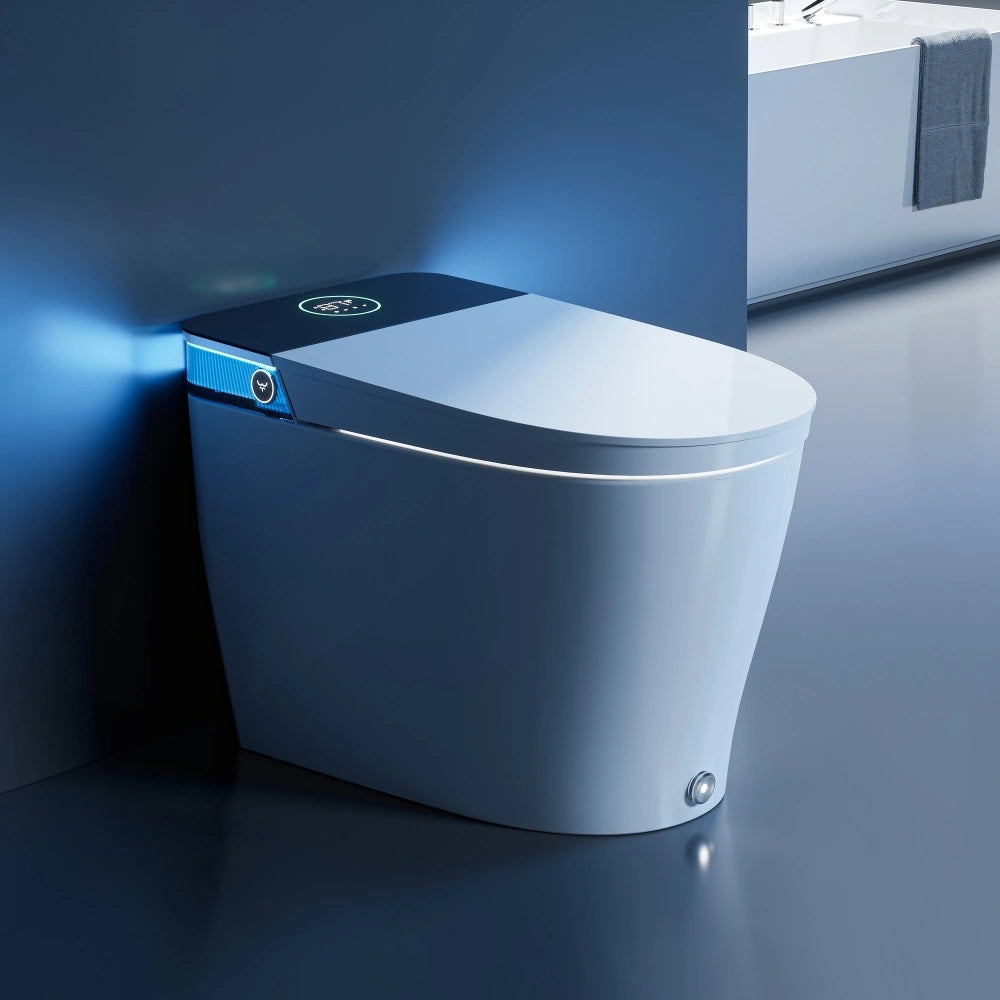
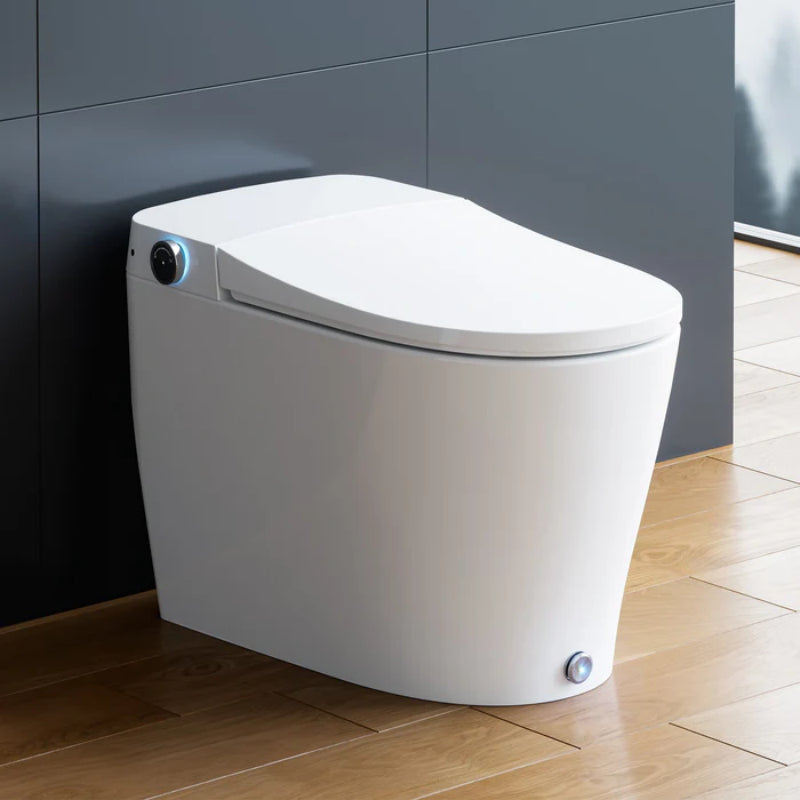

Automatic flush smart toilets can feel like the clean, modern answer to “I don’t want to touch anything in here.” In some homes, they really do reduce daily grime and make the bathroom easier to use. In other homes, they add noise, surprise flushes, and small maintenance chores that people did not expect.
The key is to treat auto-flush as a household fit decision, not a feature checklist decision.
Decision Snapshot: is hands-free flushing actually for you?
Deciding whether a hands-free flush is right for your home often comes down to balancing convenience with quirks. While auto-flush can boost hygiene and ease daily routines, it may feel unnecessary—or even annoying—if your bathroom sees light use or is tight on space. The following snapshot helps separate scenarios where this feature truly adds value from those where it could become a hassle.
What Auto-Flush Does / Doesn’t Do Automatic flush smart toilets reduce touchpoints and support hands-free hygiene, which can help minimize germ transmission, in line with CDC guidance on hand hygiene (CDC, 2023). However, they don’t guarantee a perfectly clean bowl, odor-free environment, or silent operation. Features can be adjusted or disabled, yet these systems are not always “set-and-forget”, requiring occasional attention and troubleshooting.
Rule of thumb: when a touchless toilet feels “worth it” vs when it becomes a nuisance
Automatic flush smart toilets are worth it if you can tolerate nighttime noise, your bathroom layout avoids sensor false triggers, and you’re willing to adjust or disable features as needed. Skip it if your space is tight, sleepers are sensitive, or troubleshooting feels burdensome.
Who benefits most: hygiene-focused households, mobility limits, kids/guests, and people using a hands-free bidet daily
This feature tends to work well in homes where:
-
The toilet gets used a lot (big family, guests, shared bath).
-
You’re using a hands-free bidet regularly, so “no touching controls” is part of the point.
-
Someone in the home struggles with twisting, reaching, or remembering steps.
-
You care about keeping the bowl cleaner between deeper cleanings, and you’re okay with a few extra “device-like” behaviors (sounds, lights, movement).
Who should probably skip: light users, noise-sensitive sleepers, compact bathrooms, and anyone who hates frequent small maintenance tasks
You should probably skip auto-flush if:
-
Your bathroom shares a wall with bedrooms and you’re sensitive to night noise.
-
The toilet sits in a tight alcove, close to a door swing, vanity, or storage area.
-
You dislike “fiddly” upkeep (refilling cartridges, wiping sensors, adjusting settings).
-
You want the bathroom to feel simple and predictable for every guest, every time.
What trade-offs do real users notice after the novelty wears off?
Even the most exciting smart toilet features can reveal trade-offs once the novelty fades. Automatic flushes, pre-rinse cycles, and self-cleaning mechanisms may be louder, more frequent, or more noticeable than users expect—especially at night or in shared-wall bathrooms. Understanding these realities helps you weigh convenience against potential noise, extra water sounds, and the “always doing something” feel.
Noise reality: motion sensor flush, pre-rinse, and self-cleaning cycles can be louder and more frequent than expected
Many people assume automatic flushing will be quiet because it removes the need to push a handle or button. In practice, the toilet may create more total sound events than a standard toilet because it can:
-
Trigger a flush as you stand up (sometimes sooner than you expect)
-
Run a pre-rinse or bowl-wet cycle
-
Rinse the nozzle before or after use
-
Run a deodorizing fan or air movement, depending on the model
The noise issue is not only volume. It’s also timing. A flush that happens one second earlier than you planned can feel startling, especially at night.
A good mental test: if your home already has “sound rules” (light sleepers, naps, shift work, baby’s room behind the bathroom), auto-flush may become an everyday annoyance instead of a convenience.
Noise Sources Checklist: Auto systems generate sound from pump, valve, fan, or pre/post flush cycles, not just the standard gravity flush, explaining why they may seem louder than traditional toilets.

“Cleaner” can mean “more activity”: foam coating, nozzle rinse, and auto-flush add water sounds and movement before/after use
Smart toilets that aim to stay cleaner often do it by doing more things automatically. That can include foam or bowl-coating cycles, extra rinses, and nozzle movement.
These features can help with skid marks and reduce how often you scrub. On the other hand, they also introduce:
-
More water sounds, even when you only “stop in for a second”
-
More moving parts doing something “on their own”
-
More confusion for guests who think the toilet is flushing by itself for no reason
If you want a bathroom that feels calm and minimal, this “always doing something” feeling can get old.
Is automatic flush smart toilet worth it if you use the bathroom at night or share walls?
Night use is where regrets show up. A bright nightlight can help you avoid turning on overhead lights. But the same toilet may also:
-
Flush at the moment you shift your weight
-
Start a rinse cycle when you sit or stand
-
Make fan or pump noise that carries through walls
If you share walls, consider whether you can tolerate a few extra mechanical sounds at 2 a.m. If not, you may end up turning features off, which defeats the reason you paid for auto-flush in the first place.
Will the sensor behave in your bathroom layout and household habits?
A motion-sensor flush can be convenient, but how it behaves depends heavily on your bathroom layout and daily habits. Tight spaces, frequent reaching, or kids and pets can trigger unexpected flushes, while bulkier smart toilet designs may change how the seat feels and how you move around. Knowing these practical limits helps you anticipate whether the feature will truly fit your home.
Premature or “phantom” flushes: tight spaces, reaching for items, or kids/pets triggering the motion sensor
Motion sensor flush systems are not mind readers. They infer “done” based on movement patterns. In tight bathrooms, normal actions can look like a “stand up and leave” event.
Common triggers that cause surprise flushes:
-
Leaning forward to grab toilet paper from a nearby shelf
-
Turning to reach a cabinet or wipe a child’s hands
-
A kid stepping near the bowl to look at the controls
-
A pet entering the sensor zone while you are still there
The frustration is not just wasted water. A premature flush can feel messy or disruptive mid-use, and it can make the toilet feel unreliable.
Fit Test Steps: Stand and move naturally, reach for items, pivot, bend, or allow pets/kids nearby. Observe if the motion sensor triggers unintentionally. Adjust spacing, sensor angle, or settings to reduce phantom flushes.

Will a motion sensor flush still work when the bathroom is small or the toilet sits close to the door/vanity?
Small bathrooms are the hardest environment for auto-flush. Here’s why:
-
The sensor “sees” more random movement because everything is close.
-
People naturally pivot and reach in cramped spaces.
-
Doors, drawers, and passing traffic can enter the sensor field.
A practical fit check is to stand up from the seat and do your normal routine in slow motion: turn, reach, adjust clothes, grab paper, check phone, help a kid. If that routine involves a lot of movement close to the toilet, expect false triggers unless the sensor is adjustable and you’re willing to tune it.
Space-feel friction: bulkier smart toilet bodies, integrated tanks, and the “pitched forward” seating surprise
Even when the dimensions “fit,” the toilet can feel bigger in the room. Many smart toilets have a larger body, different bowl shape, and an integrated rear section. That can change:
-
Knee clearance in front
-
Hip room between vanity and toilet
-
How easy it is to clean around the base
-
Seating angle (some people feel slightly pitched forward)
This matters most in powder rooms and narrow bathrooms, where a few inches changes how you move.
What daily-use friction of touchless toilet shows up with controls, settings, and routines?
Smart toilets with automatic flushes and extra features sound convenient, but daily routines can reveal friction. Differences in household preferences, unexpected button presses, and extra automated cycles can create learning curves and occasional surprises. Understanding how controls, modes, and plumbing realities interact helps set realistic expectations for day-to-day use.
Learning curve: remote/buttons, mode toggles, and finding a reliable default for everyone in the home
An automatic flush smart toilet is not “install and forget.” The day-to-day experience depends on whether everyone can live with the default settings.
In real homes, problems show up when:
-
One person wants sensitive auto-flush, another wants it delayed
-
Kids press random buttons and change modes
-
Guests don’t know what will happen and hover awkwardly
-
The remote gets moved, dropped, or put in a drawer “for tidiness”
If your household already struggles with shared settings (thermostat battles, TV modes, smart speaker confusion), assume you will have a similar issue here unless the toilet’s default behavior is simple and stable.
Unexpected cycles: auto pre-flush, deodorizing, air drying, and nozzle movement that can startle first-time users
Even if you only care about flushing, many smart toilets bundle in other automated actions. The problem is not that they exist. The problem is that they can start at the wrong time for the wrong person.
Examples that catch people off guard:
-
A pre-wet or pre-rinse sound right as someone sits down
-
Nozzle movement sounds that make guests think something is “leaking”
-
A fan kicking on in a quiet house late at night
-
A flush that happens when someone stands but has not checked the bowl yet
If you have frequent guests, house sitters, or renters, predictability matters. A toilet that “does things” without clear cues can become a source of questions and complaints.
What happens if the automatic flush keeps cycling during a clog or after a mis-plumbed install?
This is a less discussed regret: auto behaviors do not always mix well with plumbing problems.
If a toilet starts to clog and it auto-flushes again, you can go from “minor clog” to “near overflow” quickly. Also, if something is installed wrong (poor water supply setup, incorrect sealing, unstable power), you may see odd behavior like repeated partial cycles.
The key point is that auto-flush adds timing risk. When you control the flush, you can pause and react. When the toilet decides, it may flush at the worst moment.
If you have older plumbing, a history of clogs, or kids who use too much paper, be honest about how often you want an automatic system trying to “help.”
Safety Note: During a clog or mis-plumbed scenario, immediately turn off power or disable auto-flush. Automatic cycling increases overflow risk because the system may repeatedly attempt to flush without manual control, worsening water spillage or bowl overflows.

Maintenance and long-term annoyance risks people underestimate
Automatic flush and foam systems can promise hands-free convenience, but real-world maintenance often surprises users. Refills, spills, sensor drift, and repeated triggers can turn a low-touch toilet into a small daily chore. Understanding these long-term realities helps you weigh convenience against potential annoyance before you commit.
Foam system reality: slow refills, overflow spills, messy handling, and weak locking/feedback during dosing
Some smart toilets use foam or bowl-coating systems to reduce sticking and odor. On paper, that sounds simple: add cartridge, get cleaner bowl.
In real use, people often underestimate:
-
How often you’ll need to refill (depends on household size and settings)
-
How slow refills can be
-
How easy it is to overfill or spill if the system has weak “click-in” feedback
-
The annoyance of storing supplies and remembering to reorder
A “hands-free” toilet can still become hands-on if you’re regularly dealing with slippery cartridges, drips, or a reservoir that is awkward to access.
Sensor and mechanism reliability: sensitivity drift, repeated triggers, and the “unreliable touchless” frustration over time
Sensors can be consistent, but they can also get temperamental because of:
-
Dust, splashes, or cleaning residue on the sensor window
-
Lighting changes (sunlight angles, nightlight behavior)
-
A bathroom rug or reflective surface changing the sensor’s “view”
-
Normal aging of parts, or settings getting bumped
What starts as a cool feature can turn into a pattern: “It flushes when it shouldn’t,” followed by “We turned it off,” followed by “Why did we pay for this?”
Maintenance Minimums: Clean sensors at least weekly or when dust/film appears. Check battery or power supply regularly. Turning off auto-flush temporarily can prevent phantom triggers but requires manual flush attention.
Will this still feel hands-free when you’re refilling cartridges, wiping spills, or troubleshooting the flush mechanism?
This is the most important expectation check:
Auto-flush reduces one kind of touching. It can add other kinds of touching.
If you hate maintenance tasks that are small but frequent, the day-to-day reality can feel worse than a simple toilet. If you don’t mind small upkeep and like device-style convenience, you may be happy.
A good question to ask yourself: Do you want your toilet to behave more like an appliance? If yes, auto-flush fits. If no, it may feel like adding complexity to the one fixture you want to be boring.
Key Considerations Before Choosing an Automatic Flush Toilet
Automatic flush toilets promise convenience, but real-world experience depends on your home, habits, and tolerance for small quirks. Before you commit, it helps to run through a few practical checks to see if this technology will truly fit your bathroom and daily routine.
-
Night noise: Consider whether a motion-activated flush, pre-rinse cycle, or deodorizing fan might disturb light sleepers. If the bathroom shares walls with bedrooms or a nursery, even small mechanical sounds at 2 a.m. can become an annoyance. Ask yourself if everyone in the home can tolerate these extra noises without needing to disable features.
-
Bathroom layout: Think about how the toilet fits into your space. In tight bathrooms, normal movements—reaching for toilet paper, opening doors, or helping children—can accidentally trigger motion sensors. Pets walking nearby may also set off phantom flushes. A toilet that works flawlessly in a spacious master bath may feel unpredictable in a compact powder room.
-
Clog history: Reflect on your plumbing situation. Homes with slow drains, older pipes, or frequent “too much paper” scenarios can challenge automatic flush systems. Auto-flush may worsen overflows or start multiple cycles inappropriately, so consider whether your plumbing can handle a smart toilet reliably.
-
Household tolerance: Evaluate how your household manages shared settings. Different users may prefer different flush sensitivities, bidet pressures, or drying modes. Kids, guests, or house sitters may accidentally change settings, so a toilet that “does its own thing” might require some patience and clear communication about defaults.
-
Maintenance honesty: Be realistic about upkeep. Foam or bowl-coating systems, sensor cleaning, and refilling cartridges may require small but frequent attention. If you dislike hands-on chores—even minor ones—you may find the “hands-free” convenience becomes a source of frustration. Conversely, if you enjoy device-style maintenance and don’t mind keeping supplies on hand, these tasks may feel minor.

FAQs
1. How does the motion sensor flush work?
The motion sensor flush in an automatic flush smart toilet works like magic—detecting when you’ve finished and triggering a flush without touching anything. This is the kind of feature that makes a touchless toilet feel luxurious, especially when paired with a hands-free bidet and a heated seat. Many models even let you adjust sensitivity, so the flush doesn’t happen too early or too late. It’s all about keeping your bathroom clean and hygienic, without lifting a finger.
2. Can I manually flush it if the sensor fails?
Absolutely! Even with a high-tech automatic flush smart toilet, there’s usually a backup manual flush option. That could be a traditional lever or a hidden button. So if the motion sensor flush ever misfires, you’re not stuck—you can always flush manually. This ensures that the convenience of a touchless toilet doesn’t come at the cost of reliability.
3. Does the auto-flush activate too often?
Some users worry that the motion sensor flush will trigger unexpectedly. In most automatic flush smart toilets, you can adjust the sensor sensitivity or delay, so it only flushes when it should. This prevents water waste and those awkward “mid-use” flushes. Paired with a hands-free bidet, it keeps your bathroom experience smooth, clean, and worry-free.
4. Is it battery-operated or hardwired?
Automatic flush smart toilets with motion sensor flush and hands-free bidet can run either on batteries or be hardwired. Battery-powered models are easier to install but require occasional battery changes. Hardwired versions connect directly to your home’s electrical system, powering the seat heater, bidet, and motion sensor continuously. Either way, you get the convenience of a touchless toilet that works reliably day after day.
5. Can I disable the automatic flush feature?
Yes! Many automatic flush smart toilets let you turn off the motion sensor flush if you prefer manual control. This is helpful for households with kids or if you want to conserve water. Some models let you switch it off via a control panel or tank switch. You still enjoy the benefits of a hands-free bidet and heated seat, but with the flexibility to go fully manual when needed.
References


Leave a comment
This site is protected by hCaptcha and the hCaptcha Privacy Policy and Terms of Service apply.