
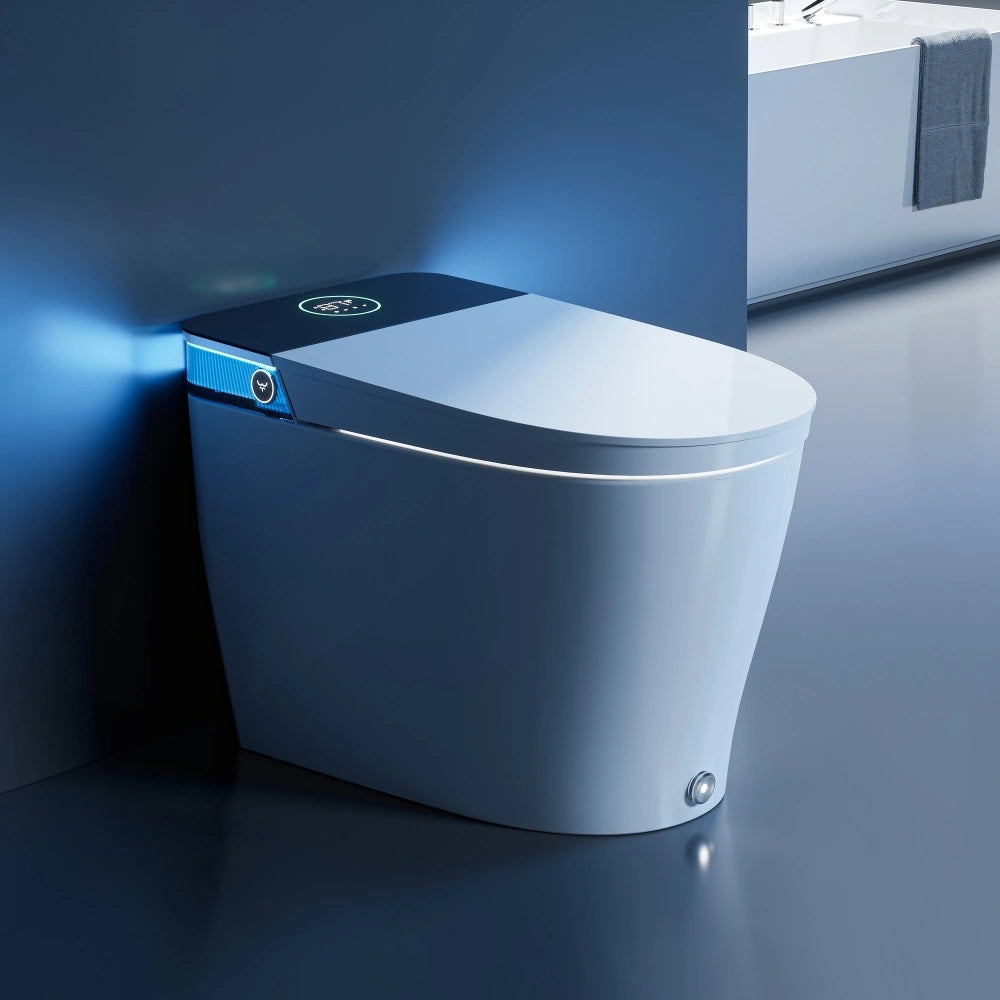
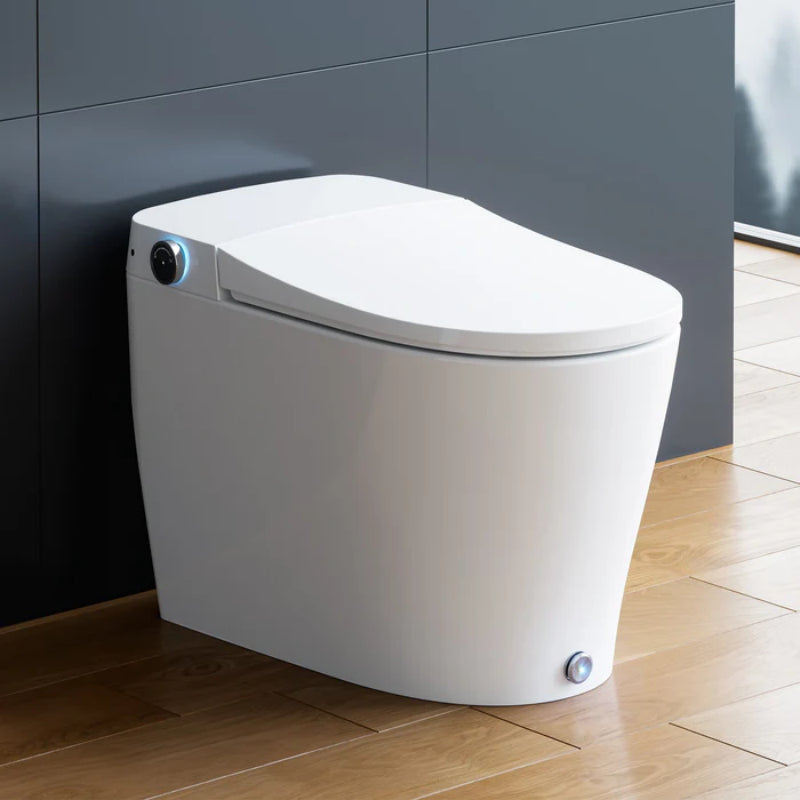

Antimicrobial ceramic glaze technology is usually worth considering when you have high-use, hard-to-clean bathroom ceramic surfaces (like a main toilet used by kids, guests, or a large household) and you want a small, passive reduction in bacteria on the glazed surface between cleanings.
Skip it if your main issue is hard-water scale, rust/iron staining, or soap scum, or if you already disinfect on a schedule and mainly want a “stays shiny” finish. In many homes, it won’t change how often you need to clean—it may support preventing stains on ceramic toilets and improve surface behavior between cleanings.
What an antimicrobial glaze actually does
Understanding how antimicrobial glaze functions requires clarity on both its composition and its real-world performance.
What’s in the glaze
On ceramic toilets and glazed ceramic tiles, “antimicrobial” usually means the glaze (or a top coating) includes antimicrobial materials such as silver ions, copper oxide, ZnO, and zinc compounds supporting the character of zinc metal modified surfaces, or sometimes photocatalytic materials like anatase. These are embedded in a nanostructured glass-like matrix via glaze composition to deliver efficient antimicrobial performance and surface properties.
Antimicrobial test results are organism- and test-condition-specific, using methods like confocal imaging to evaluate the antibacterial performance under controlled laboratory conditions as referenced by EPA guidelines.
In plain terms: the ceramic tile surface remains glassy and may exhibit induced superhydrophobic and antimicrobial character with high contact angle, superhydrophobic and antibacterial effects, and strong bactericidal properties that slow bacterial growth on the surface itself.
What “antimicrobial activity” means in daily life
This is where many homeowners get disappointed. Mineral deposits/soil can cover the active surface and reduce practical benefit by limiting surface contact with the glaze. Antimicrobial claims are usually based on lab testing that measures how much bacteria is reduced on a treated surface under controlled conditions. That can be real, but it does not automatically mean:
-
fewer visible stains
-
no odors
-
no ring in the bowl
-
no scrubbing
-
no need for disinfectant after illness
A treated glaze can help reduce bacteria on the surface, but bathrooms don’t only get “bacteria.” They get mineral deposits, body oils, soap residue, and grime. Those soils can sit on top of the glaze and still look dirty even if the glaze underneath is antimicrobial.
If you already disinfect often
If you already clean the toilet and wipe bathroom surfaces with a disinfectant on a consistent schedule, antimicrobial glaze may feel like money spent on something you can’t notice.
The key point is: antimicrobial glaze is most useful as a “between cleanings” helper, not as a replacement for cleaning.

Where it works well in real homes
While antimicrobial ceramic glaze is not a one-size-fits-all solution, it may provide practical benefits in specific household scenarios. The following sections outline key situations where this technology could be most relevant.
High-traffic bathrooms with uneven cleaning
Antimicrobial ceramic glaze technology tends to feel most “worth it” when:
-
the toilet gets used many times a day
-
cleaning happens irregularly (busy weeks, shared households)
-
there is a desire for a small buffer between a surface that appears clean and one that shows early signs of microbial activity
For example, a main-floor guest bath with intermittent heavy use may see surface benefits, with the potential for the surface to maintain a fresher state between routine weekly cleanings.
Homes with immune concerns
Since the covid-19 pandemic, many households seek greater peace of mind with surfaces designed to limit microbial growth. This subjective benefit can be meaningful when expectations are set realistically, as the glaze functions as a supplementary feature rather than a protective barrier.
For households with individuals who have increased vulnerability to illness, it is important to continue following standard cleaning and disinfection guidance. Key hygiene practices still include consistent handwashing, adequate ventilation, and targeted disinfection after events such as vomiting or diarrhea, as a coated toilet bowl does not serve as a primary defense against infection.
Hard-to-reach ceramic surfaces
On glazed ceramic tiles, antimicrobial glaze may be worth evaluating for areas that are not wiped on a frequent basis, such as:
-
high wall tile behind a toilet
-
decorative tile ledges that collect dust and spray
-
areas with frequent splash but less attention
It should be noted that grout lines and corner areas are typically the primary problem points, rather than the tile face itself.

The trade-offs people don’t expect
Antimicrobial ceramic glaze offers benefits, but it also comes with unexpected trade-offs that many homeowners overlook.
“Smooth” surfaces still get buildup
Marketing often leans on the benefits of smooth antibacterial ceramic surfaces, and smooth helps. But in real bathrooms, “smooth” does not mean “self-cleaning.”
Common reasons treated surfaces still get dirty:
-
Mineral scale bonds to the surface and increases surface roughness, creating a rough layer that changes the behavior of ceramic.
-
Biofilm can form on top of scale and soil, and these surfaces are easily contaminated even if the glaze underneath has antibacterial properties.
-
Tiny surface texture, wear, and micro-scratches can hold grime over time.
So if your toilet ring is mostly limescale, an antimicrobial glaze may not change much until you address the water deposits.
Harsh chemicals can create regret
Many homeowners assume “stronger cleaner = cleaner toilet.” With specialty glazes and coatings, harsh habits can backfire.
Watch-outs:
-
Abrasive pads can dull the glaze and increase future staining.
-
Strong acids can etch some finishes over time.
-
Some cleaners can leave films that reduce the surface’s easy-clean behavior.
This doesn’t mean you can’t disinfect. It means your best results often come from gentle, regular cleaning instead of occasional “scorched earth” scrubbing.

False confidence risk
A common mental trap is thinking: “It’s antimicrobial, so it’s sanitary.”
But bathrooms are messy in layers. If there’s a thin layer of soil, limescale, or organic residue, bacteria can live in that layer even if the glaze underneath has antimicrobial properties. In short: a treated surface can still be a dirty surface.
Durability and long-term annoyance risks
Several factors can impact the long-term performance of antimicrobial ceramic glaze and lead to potential frustrations.
Mineral deposits can “turn off” the benefit
Antimicrobial action happens at the surface. If your water leaves deposits, you can end up with a toilet bowl that has:
-
antimicrobial glaze underneath
-
mineral crust on top
Once that happens, the daily benefit drops, and you may still get staining and odor. Many regrets come from expecting antimicrobial glaze to solve a water-chemistry problem.
If you have hard water, the long-term win is usually tied to whether you can prevent scale buildup in the first place.
Scratches and dull spots change cleaning behavior
A long lasting toilet bowl finish depends on how it’s treated. Over years, localized wear can happen:
-
at the waterline
-
where brushes hit most
-
under rim wash areas
-
on tile where it’s regularly wiped with gritty cloths
When the surface dulls, it can start holding on to grime more. People then scrub harder, which can speed up wear. That spiral is a real source of frustration.
Toilet bowls vs wall tile behave differently
Even though both are ceramic surfaces, the wear pattern is different:
-
Toilet bowls see constant water, chemicals, and brushing.
-
Wall tiles see sprays, wiping, and occasional abrasion.
A glaze that holds up well on a wall might still show wear in a toilet bowl if cleaning habits are aggressive.
When it’s overkill (or the wrong reason)
Antimicrobial ceramic glaze is not always necessary, and it may fail to address your core concerns if misapplied. Below are common scenarios where this technology is overkill or the wrong solution.
When “stains” are actually water chemistry
If you’re dealing with:
-
orange/brown staining (often iron)
-
white crusty scale
-
persistent ring at the waterline
…those are often mineral issues, not bacteria issues. Antibacterial properties and antibacterial properties of ceramic tiles do not stop minerals from sticking to the surface. You may see almost no difference unless the surface also has a strong easy clean toilet bowl coating behavior (very slick, low-adhesion) and you maintain it gently.
When the real problem is ventilation and moisture
On tile surfaces, mildew and musty odors are often a moisture/airflow problem. Even if the tile face resists bacteria, moisture can still sit in:
-
grout lines
-
caulk joints
-
corners and gaps
-
behind poorly sealed fixtures
So if your bathroom stays damp, antimicrobial tile may feel like the “fancy feature that didn’t fix anything.”
When you value “proof” and clear results
A big drawback is that you can’t easily verify antibacterial efficiency at home. If you prefer features you can clearly see or measure, antimicrobial glaze may bother you because it’s hard to tell if it’s doing anything—especially if your cleaning routine already keeps things under control.
Practical fit checks and maintenance realities
To ground your decision in real-world experience, it helps to clarify what tangible differences antimicrobial glaze may bring versus what it may not change. This breakdown focuses on observable outcomes and aligns your investment with clear expectations.
What changes (and what doesn’t)
Here’s a simple way to think about it:
| What you might notice | What you probably won’t notice |
| Slightly less “funk” between cleanings in busy bathrooms | No need to clean the toilet |
| Less worry about germs on the ceramic surface itself | Hard-water scale going away |
| Easier wipe-down if the surface stays smooth and unetched | Zero staining at the waterline |
Cost and expectation alignment
Pricing varies a lot. As an add-on feature, antimicrobial ceramic glaze technology often shows up as a modest upcharge, but sometimes it’s bundled into a premium finish.
A useful question to ask yourself is: Am I paying for reduced bacteria, or am I paying because I think it will prevent stains? If it’s the second one, you may be disappointed.
Before You Choose (quick checklist)
-
Do you mainly fight hard-water scale or rust stains? If yes, don’t expect antimicrobial glaze to solve it.
-
Will your household use abrasive pads or very harsh cleaners? If yes, the finish may wear sooner.
-
Are you choosing it for between-cleaning hygiene support, not to replace cleaning?
-
Is the bathroom high-traffic or inconsistently cleaned (kids, guests, shared use)?
-
Are you okay paying for a benefit that is real but hard to verify day to day?

FAQs
1. What is antimicrobial glaze on a toilet?
Antimicrobial glaze on a toilet refers to antimicrobial ceramic glaze technology, which adds safe additives like silver or copper ions into the ceramic glaze during firing. This creates a smooth glazed surface that can help slow bacterial growth between regular cleanings. Test results are organism‑ and condition‑specific, focusing on bacterial reduction under controlled lab conditions. It only supports surface hygiene passively and does not replace cleaning or disinfection. Dirt, limescale, or soap scum can cover the surface and reduce its real‑world effectiveness over time.
2. Does a special glaze make a toilet easier to clean?
Special toilet glazes and nano-glaze for bathroom fixtures supported by antimicrobial ceramic glaze technology leverage the benefits of smooth ceramic surfaces to make cleaning easier via a low‑adhesion finish. This helps reduce grime and bacterial buildup on ceramic toilet and tile surfaces. However, it does not eliminate hard water stains, mineral scale, or soap scum. Using harsh or abrasive products will damage the glaze and make it harder to clean over time. For best results, maintain the smooth surface with gentle, regular care.
3. How long does a toilet's nano-glaze last?
A toilet’s nano‑glaze, often combined with antimicrobial ceramic glaze technology, can last for many years with proper care. Its lifespan depends heavily on cleaning habits and water quality. Avoiding abrasive pads and harsh chemicals helps preserve the smooth, functional surface. High‑wear areas like the waterline and rim may dull faster. Hard water mineral deposits can also block antimicrobial effects long before the glaze physically wears out.
4. Can you use abrasive cleaners on special glazes?
You should not use abrasive cleaners or scrub pads on special glazes that use antimicrobial ceramic glaze technology. These antibacterial products scratch and dull the smooth ceramic surface, reducing both easy‑clean performance and antibacterial activities. Scratches trap dirt and bacteria, making future cleaning harder. Instead, use mild, non‑abrasive cleaners and soft tools to protect the glaze and maintain long‑term surface performance.
5. Is antimicrobial glaze worth the investment?
Antimicrobial ceramic glaze technology is worth the investment for high‑traffic bathrooms and households seeking extra between‑cleaning hygiene support. It provides a passive reduction in surface bacteria and greater peace of mind, especially for busy or shared spaces. However, it is not ideal if your main issue is hard‑water stains or mineral buildup. It works best as a supplement to regular cleaning, not a replacement for proper disinfection and maintenance.
References


Leave a comment
This site is protected by hCaptcha and the hCaptcha Privacy Policy and Terms of Service apply.