
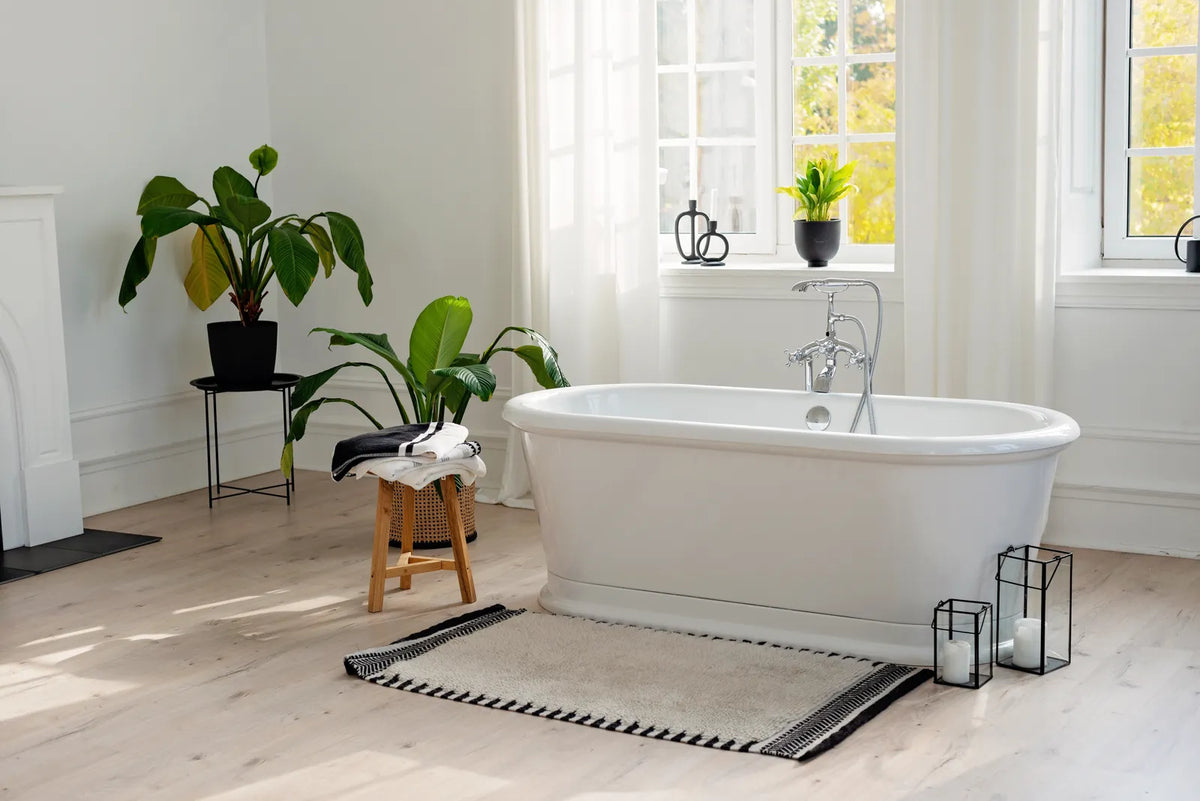
If you’re choosing between an acrylic and stone resin freestanding tub, the real question is not which one is the best bathtub on paper. It’s which bathtub for your bathroom fits your bath habits, your budget, your house, and your tolerance for install headaches.
In most homes, this choice comes down to a few simple trade-offs:
-
Do you take long, quiet soaks, or short practical baths?
-
Are you remodeling a primary bathroom for the long term, or updating a guest bath without overspending?
-
Can your floor, stair access, and install team handle a tub that may weigh 200 to 400 pounds before water and a person are added?
-
Will a lighter, cheaper tub bother you if it feels less solid?
Here’s what I’ve seen in practice: people are happiest when they match the tub to how they actually live. Regret usually comes from buying for the showroom feeling, not for real daily use.
Decision Snapshot: Which Tub Fits You?
If you want the short answer, here it is.
Before you choose: Start by checking whether your floor can safely handle the tub’s dry and filled weight, especially for stone resin bathtubs, which can be 2–3× heavier than acrylic. Confirm access paths—stairs, tight hallways, and older homes can pose real delivery challenges. According to the U.S. Department of Energy, proper structural review and safe delivery planning are essential when installing heavy fixtures on upper floors. Stone resin is not a default choice for upper floors until structural capacity and a verified carry path are confirmed.
-
Dry weight vs filled weight: Stone resin tubs often weigh 150–250 lbs empty, adding hundreds more when filled with water and a bather. Acrylic tubs are significantly lighter (typically 60–120 lbs dry).
-
Delivery/access check: Even if the floor is strong, confirm there’s enough clearance for the tub to reach its destination without damage.
Rule of thumb: If you haven’t confirmed both structure and delivery, start your selection thinking acrylic first, stone resin second.
Choose stone resin for long soaks
Choose stone resin if this is for a primary bathroom remodel, you like baths that last more than 20 to 30 minutes, and you want a tub that feels heavy, quiet, and more like a permanent upgrade.
Stone resin is usually the better pick when:
-
heat retention matters
-
you care about a solid, luxury feel
-
you want better scratch and chip resistance
-
you plan to stay in the home for years
-
the bathroom is on a ground floor or the structure has been checked
Choose acrylic for budget and easy installs
Choose acrylic if your main goals are lower cost, lighter weight, and simpler installation.
Acrylic is usually the smarter choice when:
-
this is a guest bath, rental, or short-term update
-
your bathroom is upstairs or in an older home
-
access is tight through stairs, halls, or doors
-
you want to avoid structural work
-
you’re fine with a tub that may not hold heat as long
Choose other tub types for strict limits
If you want a middle-ground feel, some solid surface vs acrylic freestanding tub differences are worth looking at too. Solid surface tubs can offer more weight and a more premium look than acrylic, but without always reaching the same mass or feel as stone resin. If you have very strict floor load limits, very tight access, or a hard cap on budget, neither stone resin nor premium solid surface may make sense.
Rule of thumb: If bathing is an experience for you, lean stone resin. If bathing is mostly practical, acrylic usually wins.

Material Insights: Acrylic vs Stone Resin
When deciding on resin or acrylic for your freestanding tub, understanding the materials themselves helps clarify the differences beyond weight and cost. Resin tubs typically blend crushed natural stone with polymer or polyester resin, creating a quality stone resin composition with a smooth, durable bathtub surface that gives the feel of natural stone, enhancing tactile luxury compared to acrylic. This composition offers better heat retention and a quieter fill compared to acrylic.
On the other hand, acrylic bathtubs are made from vacuum-formed acrylic sheets reinforced with fiberglass, making them lightweight, easy to install, and flexible in shape—for many practical households, acrylic is the clear winner. While this is convenient, acrylic tubs can be more prone to surface scratches, especially in thinner or lower-quality models. High-quality acrylic and stone resin options both exist, so choosing between acrylic and resin bathtubs often comes down to whether you prioritize long-term durability, tactile luxury, or practical installation.
Some buyers also explore solid surface or composite tubs as a middle ground. These options combine resin-like solidity with lighter weight, giving a premium feel without reaching the full heft of stone resin. Ultimately, understanding what each material offers—whether stone resin offers a spa-like tactile experience or acrylic offers practical flexibility—helps ensure you pick the right bathtub material for your bathroom.
Key Takeaways on Materials
-
Stone resin feels like natural stone and lasts longer, but requires structural support.
-
Acrylic offers lightweight installation and flexible shapes, but is more prone to scratches.
-
Resin or acrylic selection should consider heat retention, durability, and tactile feel.
-
High-quality resin and acrylic tubs are available; budget models may compromise comfort or longevity.
-
For a middle ground, solid surface or composite tubs provide durability without full stone resin weight.
Acrylic vs Stone Resin Evidence Matrix
Compare the documented construction, weight, care, installation, heat-retention, and repair guidance for the exact tubs; material labels alone do not decide fit.
| Check | What to verify | Evidence required |
|---|---|---|
| Construction | Exact material and layer description | Current manufacturer documentation |
| Weight and handling | Exact product weight and installer requirements | Product drawing/manual |
| Care | Approved cleaners and routine maintenance | Care instructions for the exact tub |
| Heat retention | Any material or model-specific heat-retention statement, including the test method and conditions | Current manufacturer documentation or a cited comparable test; leave blank if unavailable |
| Repairability | Approved repair methods, finish limitations, and who may perform the repair | Current care/repair instructions or written manufacturer guidance |
| Fit and support | Floor, drain, leveling, and installation requirements | Installation manual |
If a required detail is missing, contradictory, or tied to another model, use the current documentation for the exact product before ordering or installation.
Who should choose acrylic vs stone resin freestanding tub?
This is where the choice gets easier. Match the tub to the room and the household.
Stone resin for primary bath upgrades
A stone resin freestanding tub, made of stone and resin, makes the most sense in a main bathroom that you want to feel finished and substantial. If this is the room you use every day, and you’re already spending on tile, plumbing, lighting, and layout changes, the extra cost may feel justified.
This is also the better fit if:
-
one or two adults use the bath often
-
you like long evening soaks
-
you hate the idea of a tub feeling hollow or flimsy
-
you want a matte finish or a modern sculpted look
-
you care about how the tub sounds while filling
People often ask, is a stone resin or acrylic freestanding tub better for heat retention? In real use, stone resin usually is. Its higher thermal mass helps the bath stay comfortable longer. Acrylic warms quickly, which is nice at first touch, but it tends to lose heat faster during a long soak.
Acrylic for guest baths and rentals
Acrylic makes more sense than many people think. It’s not just the “cheap option.” In a lot of homes, it’s the right option.
If this tub is going into a guest bathroom, a kids’ bathroom, a second bath, or a rental, acrylic often wins because it keeps the project sane. The tub is easier to move, easier to install, and much less likely to trigger costly floor support discussions.
This matters more than people expect. A tub that costs less on paper can still become expensive if delivery, labor, and structural reinforcement pile up. Acrylic avoids a lot of that.
Acrylic also works well if:
-
baths are occasional, not daily
-
you expect more wear from kids or guests
-
replacement cost matters more than maximum lifespan
-
the house is older and you want fewer surprises
Solid surface for a middle-ground feel
Some buyers compare solid surface vs acrylic freestanding tub differences because they want something more premium than acrylic without fully committing to stone resin weight and price.
Solid surface can be a middle path if you want:
-
a more substantial feel than acrylic
-
a matte finish
-
a modern look
-
moderate durability with some repairability
The key point is that most homeowners still end up deciding between acrylic and stone resin because those are the clearest ends of the decision: practical and light vs heavy and high-comfort.
Add accessibility/mobility considerations:
-
Entry/exit comfort: Acrylic tubs are lighter and often easier to step into and out of. For aging-in-place or mixed-mobility households, prioritize safe entry and exit over material preference.
-
Decision rule: If any household member struggles with high step-over or balance, favor acrylic—even if stone resin would look nicer or retain heat better.

Which trade-offs matter most at home?
Specs matter, but only if they change how the tub feels to live with.
Heat retention vs fast warm-up
For a lot of buyers, this is the main issue.
Stone resin tubs usually stay warm longer. In many cases, they can hold heat 30 to 40 minutes longer than acrylic, depending on room temperature, water volume, and wall thickness. If you like to settle in with a book, a podcast, or just quiet, this is a real advantage.
Acrylic heats up faster at the surface. So the first few minutes can feel pleasant because the shell doesn’t feel cold. But the water tends to cool sooner, so longer baths often mean adding more hot water.
That’s why people asking is stone resin better than acrylic for a bathtub are often really asking about soaking comfort. If long soaks are your goal, stone resin usually is better.
Solid feel vs lighter handling
Stone resin feels dense and planted. When you knock on it, it sounds solid. When you lean against the sides, it has very little give. That’s a big part of why buyers think it feels more expensive.
Acrylic is much lighter, usually around 60 to 100 pounds, while stone resin can be 200 to 400 pounds before water is added. That affects almost everything:
-
delivery
-
carrying the tub into the home
-
stair planning
-
labor
-
floor support checks
So yes, do acrylic freestanding tubs feel cheaper than stone resin? Many do. Especially lower-end acrylic models. But “cheaper” is not always a dealbreaker if the tub is installed well and used in the right room.
Luxury finish vs lower replacement risk
Stone resin often comes with a matte look that many homeowners love. It reads modern, calm, and upscale. It can make the bathroom feel more custom.
But there’s another side to that. In busy homes, high-style surfaces can bring more stress. Matte finishes may show soap residue, body oils, or hard water in a different way than glossy acrylic. Not always worse, just different.
Acrylic’s advantage is that if the tub gets worn, scratched, or if your style changes, replacing it is less painful financially.
Stone resin delivers a premium look and a velvety smooth surface that acrylic rarely matches, but it comes at a weight and handling cost. Use this household-focused rule:
-
Choose stone resin if: Your household prioritizes aesthetic luxury, long-term heat retention, and the tub is on a ground floor or structurally verified upper floor.
-
Avoid stone resin if: You want a lower-risk replacement option, lighter weight for installation, or plan to remodel frequently—then acrylic is smarter.
This turns the “finish vs replacement risk” debate into a direct, actionable recommendation for homeowners.
Quiet filling vs easier moving
This is one of those things buyers often miss until after install.
Stone resin dampens sound better. Water hitting the tub is quieter. The whole bathing experience feels calmer. If your bathroom is meant to be a retreat, that matters.
Acrylic tends to sound a bit louder and lighter during filling. Not terrible, but less hushed.
On the other hand, when a tub has to get up a stair turn, through a narrow hall, and into a tight bathroom, easy moving becomes much more important than quiet filling. That’s when acrylic starts looking like the smart choice.
Stone resin tubs tend to mute water sounds better than acrylic due to mass, but the extra weight can complicate moving or future renovations. Decision rule:
-
Access is even mildly questionable: Stairs, turns, narrow hallways? Acrylic should be the default unless your installer confirms a safe delivery and placement plan.
-
Quiet fill priority: Choose stone resin only when delivery constraints are fully addressed.
This balances the auditory luxury of stone resin with practical household logistics.
When does one become the wrong choice?
A tub can be “good” and still be wrong for your house.
Acrylic regret after longer baths
The most common acrylic regret is simple: the owner expected a more premium bathing experience than acrylic usually gives.
This tends to happen in primary bathrooms, especially when:
-
the bathroom itself is high-end
-
the tub is a visual centerpiece
-
the owner takes long baths several times a week
The complaints are predictable: the tub cools too fast, feels lighter than expected, or develops surface wear sooner than hoped. If that sounds like something that would annoy you every week, acrylic may not be your best fit.
Stone resin regret on upper floors
The biggest stone resin regret is not the tub itself. It’s everything around it.
A heavy freestanding tub on an upper floor may require:
-
a structural review
-
joist reinforcement
-
more labor to move and place
-
special delivery planning
-
more expensive installation
And remember, the tub’s dry weight is only part of the load. Once you add water and a person, the total can exceed 1,000 pounds in some setups.
That’s why stone resin vs acrylic tub weight and floor support considerations should never be treated like a small detail. In some homes, it decides the whole project.
Upstairs or tight-access installs are a common source of buyer regret. Here’s the clear decision rule:
-
Red-flag scenario: Any tub above the ground floor in older homes, or homes with narrow stairwells or sharp turns. Until verified, treat stone resin as off-limits.
-
Default material: Acrylic. Lightweight, flexible, and easier to maneuver—even in tricky layouts.
-
When to consider stone resin upstairs: Only after a structural engineer or installer confirms that floors can handle the full filled weight and the tub can be safely carried into position.
Choose acrylic by default unless structure + verified carry path allow stone resin safely.

Matte looks can frustrate busy homes
Matte stone resin is attractive, but not everyone enjoys living with it. In homes with very hard water, heavy product use, or rushed cleaning habits, matte finishes can ask for a little more attention.
If your bathroom gets hard daily use from several people, glossy acrylic may feel more forgiving to the eye between cleanings.
Cheap acrylic can feel too hollow
Not all acrylic tubs are created equal. Here’s how to decide:
-
Low-end thin/reinforced acrylic: Often 2–3 mm thick, can flex or creak, and may lose heat faster. Not ideal as the centerpiece of a primary bath, for long soaks, or in high-end remodels.
-
Better-built acrylic tubs: Thicker acrylic with added reinforcement layers, stiffer walls, and longer-lasting finish. Feels more solid underfoot and retains warmth better than cheap options.
Buying rule: Avoid low-end acrylic for main bathing tubs in luxury or frequently used bathrooms. Reserve thin acrylic for secondary baths, powder rooms, or budget-conscious remodels.
What does acrylic vs stone resin freestanding tub really cost?
Price is not just the sticker on the product page.
Upfront savings vs lifetime value
The price difference between acrylic and stone resin freestanding tubs is usually large.
Typical rough ranges:
-
Acrylic: $500 to $1,500
-
Stone resin: $1,800 to $5,000+
That means stone resin often costs three to four times more upfront.
If you plan to stay in the home a long time, the math can soften. Stone resin often lasts 20 to 25 years or more, while many acrylic tubs fall more in the 10 to 15 year range, depending on quality and use. Stone resin also tends to resist wear better and may be more repairable.
So, is a stone resin freestanding tub worth the higher cost? It can be, but only if you’ll use what you’re paying for: longer heat retention, better feel, quieter bathing, longer life, and a more premium finish.
If you won’t notice those things, the extra money may not bring much value.
Installation costs can flip the winner
This is where many budgets go sideways.
An acrylic tub may cost less and also install for less because:
-
it is easier to carry
-
fewer people are needed
-
floor support concerns are reduced
-
access issues are easier to manage
A stone resin tub may need:
-
extra labor
-
special handling
-
more time on site
-
potential structural work
In other words, even if you can afford the tub itself, install costs may flip the decision.
Shipping and access change the math
Freestanding tubs are awkward even when they’re light. Once they get heavy, every doorway and stair turn matters.
If your bathroom is upstairs or in a home with narrow access, ask the installer how the tub will physically get there before you order it. I’ve seen buyers lock in on a stone resin tub, then realize moving it inside safely is far harder than expected.
That can mean added labor charges or a last-minute switch.
Is stone resin worth paying more?
For a primary bathroom remodel, often yes. For a guest bath, often no.
Stone resin is worth paying more for if:
-
this is your forever or long-term bathroom
-
you take baths often
-
the install is straightforward
-
the budget already allows for premium finishes
-
the floor structure is not a problem
If one or two of those are missing, acrylic starts to look much more sensible.
Which fits your space and structure better?
This part is less exciting than finish and comfort, but it’s often what decides the winner.
Small bathrooms usually favor acrylic
In smaller bathrooms, acrylic has a practical edge. It’s lighter, easier to maneuver, and often available in a wider range of shapes that work in tighter layouts.
If your room is compact, a tub that is easier to position can save time and frustration. In small remodels, the easier product often becomes the better product.
Heavy tubs need floor reality checks
A filled stone resin tub with a bather can create a serious load. That doesn’t mean your floor can’t handle it. It means you should not assume.
If the tub is going on a wood-framed upper floor, have the structure reviewed if there’s any doubt. This is especially wise in older homes, long joist spans, or rooms with prior water damage repairs.
This is one reason acrylic vs stone resin tub for a primary bathroom remodel depends so much on the location of the room. A ground-floor bathroom over a slab or strong framing gives stone resin a much easier case.
Tight stairs can rule out stone resin
Even if the floor can support the weight, the path into the bathroom may not.
Before ordering, check:
-
front door width
-
hall width
-
stair width and turns
-
bathroom door opening
-
ceiling clearance on turns
Acrylic is much more forgiving here. Stone resin can be ruled out simply because the home does not offer a safe path.
Primary remodels justify heavier tubs
That said, if this is a major remodel and the tub is central to the design, doing the extra work for stone resin can make sense. You’re already opening walls, planning trades, and making long-term decisions.
In those cases, a heavier tub may be worth building around.
Acrylic vs stone resin freestanding tub: which is easier to live with?
Daily ownership matters more than showroom appeal.
Scratch resistance vs easy buffing
When people compare acrylic vs stone resin freestanding tub durability, they often ask about scratches first.
Stone resin usually wins for scratch resistance. Its non-porous surface outperforms acrylic in daily wear, making it the better option if you want a tub that resists chips and maintains its finish over time.
Acrylic scratches more easily. Rings, toys, dropped bottles, and abrasive cleaning can leave marks sooner. The good news is that lighter scratches can often be buffed or polished out more easily than people expect.
So if you want fewer scratches in the first place, stone resin is better. If you want a surface that is easier to touch up after small damage, acrylic has some appeal.
Hard water shows up differently
Hard water is a real-life issue, not a showroom issue.
On glossy acrylic, water spots may be easier to see in direct light, but the surface is familiar and often easy to wipe down.
On matte stone resin, mineral marks can look softer at first, but soap film and residue may cling visually in a different way. This is where some owners love the matte finish, and others get tired of maintaining the look.
So, stone resin vs acrylic tub matte finish comparison is not just style. It affects how your bathroom looks on an ordinary Tuesday.
Which is easier to clean?
If you’re asking which freestanding tub is easier to clean acrylic or stone resin, the honest answer is: it depends more on finish and water conditions than material alone.
In general:
-
glossy acrylic is straightforward to wipe clean
-
stone resin is non-porous and also easy to maintain with the right cleaner
-
matte finishes may show residue in a way some owners notice more
Neither one should need harsh cleaners. In fact, harsh chemicals and abrasive pads are a bad idea on both.
For many households, acrylic feels easier because people are more used to glossy surfaces. Stone resin can be just as manageable, but it rewards gentle regular cleaning more than neglect followed by scrubbing.

Which lasts longer in daily use?
If long life is your goal, stone resin usually has the edge.
For how long do acrylic vs stone resin freestanding tubs last, a fair working range is:
-
Acrylic: around 10 to 15 years
-
Stone resin: around 20 to 25 years or more
That doesn’t mean an acrylic tub will fail at year 12. It means the surface, appearance, and overall feel often age sooner. Stone resin tends to maintain its presence better over time and is generally more durable than acrylic, making it a longer-lasting choice for frequent baths.
For stone resin vs acrylic bathtub maintenance requirements, neither is difficult, but stone resin tends to reward owners with a longer useful life if cleaned properly and installed correctly.
Which bathing experience do you actually want?
This is the part buyers should think about more.
Stone resin feels warmer and quieter
Stone resin tends to deliver the better acrylic vs stone resin tub comfort and bathing experience if your goal is relaxation.
The tub feels more substantial when you sit in it. It holds warmth longer. It’s quieter when filling. The edges and walls often feel more composed and stable. There’s less of that light-shell sensation.
If you care about the tub as part of winding down, that difference is real.
Acrylic suits shorter casual baths
Acrylic is a good fit for casual use. If your baths are quick, occasional, or more about function than ritual, acrylic does the job well.
It also warms quickly to the touch, which some people prefer at the start of a bath. If you mostly shower and only bathe now and then, it may be hard to justify paying much more for stone resin.
Matte comfort vs glossy familiarity
Some buyers love the soft look of matte stone resin. It feels current and calm. Others simply prefer the familiar look and easier visual maintenance of glossy acrylic.
This is where photos can mislead. A matte tub can look stunning in a styled room but ask more of you day to day. A glossy acrylic tub may look less dramatic but feel simpler to own.
Which feels better every day?
If you use the tub often, stone resin usually feels better every day.
If you value light weight, lower cost, and easy ownership more than tactile luxury, acrylic usually feels like the better decision every day.
That’s the real answer to what to consider before buying an acrylic or stone resin freestanding tub: not what looks best in a showroom, but what will keep feeling right after six months of actual use.
Before You Buy
Use this checklist before you place the order for your new tub:
-
Confirm the tub’s dry weight and estimate the filled weight with a person in it.
-
Check the path into the bathroom: doors, halls, stairs, and turns.
-
Ask whether your floor needs a structural review, especially upstairs.
-
Be honest about your bath habits: long soaks or quick use.
-
Compare the full installed cost of acrylic and stone resin tubs, not just the tub price.
-
Choose the finish with your water quality and cleaning habits in mind.
-
If considering acrylic, avoid the thinnest low-end options that may feel hollow.
-
If considering stone resin, make sure the room and structure justify the extra cost.
FAQs
1. Is stone resin better than acrylic for a bathtub?
When comparing an acrylic vs stone resin freestanding tub, stone resin often feels more premium. It’s sturdier and has a solid, luxurious touch that acrylic can’t quite match. Acrylic tubs are lighter and easier to handle during installation, but they can feel less substantial when you’re soaking. So, if your goal is a high-end, spa-like vibe in your bathroom, stone resin is usually the better choice. Acrylic works if you want something practical, budget-friendly, and easy to move.
Use the requirements under “1. Is stone resin better than acrylic for a bathtub?” before comparing current choices in HOROW bathtubs.
2. Do stone resin tubs stay warm longer?
Yes! One of the key advantages is stone resin tub heat retention vs acrylic. Stone resin is denser than acrylic, so it keeps your bathwater warmer for a longer soak—perfect for relaxing. Acrylic tubs tend to lose heat faster, so you may find yourself adding hot water mid-bath. If soaking in warm water without interruptions is your priority, stone resin clearly has the edge.
3. Are acrylic tubs easier to clean than stone?
Acrylic tubs are generally simpler when it comes to cleaning. They’re smooth and less porous, making them ideal if you want low-maintenance. Maintenance of stone resin soaking tubs is a little more involved because the surface can show soap scum or water streaks if not wiped down regularly. A mild cleaner and soft cloth usually do the trick, but if cleaning convenience is your top concern, acrylic wins.
4. How much heavier is a stone resin tub?
Stone resin tubs are considerably heavier than acrylic models. The weight of solid surface vs acrylic tubs can be 50% to 100% higher for stone resin, which adds to stability and heat retention but requires proper floor support and sometimes professional installation. Acrylic tubs are light and easier to maneuver, making them a practical choice for renovations or DIY projects.
5. Is stone resin worth the extra cost over acrylic?
It depends on your priorities. Acrylic tub durability is good, but stone resin offers a more luxurious feel, superior heat retention, and long-term resilience. The price difference stone vs acrylic can be noticeable, but many people find it worth paying extra for a spa-like bath experience that lasts longer and looks like a centerpiece in the bathroom. Acrylic is better if upfront cost and lightweight installation are your main concerns, but stone resin delivers that high-end soak you might really value.
Reference


Leave a comment
This site is protected by hCaptcha and the hCaptcha Privacy Policy and Terms of Service apply.