
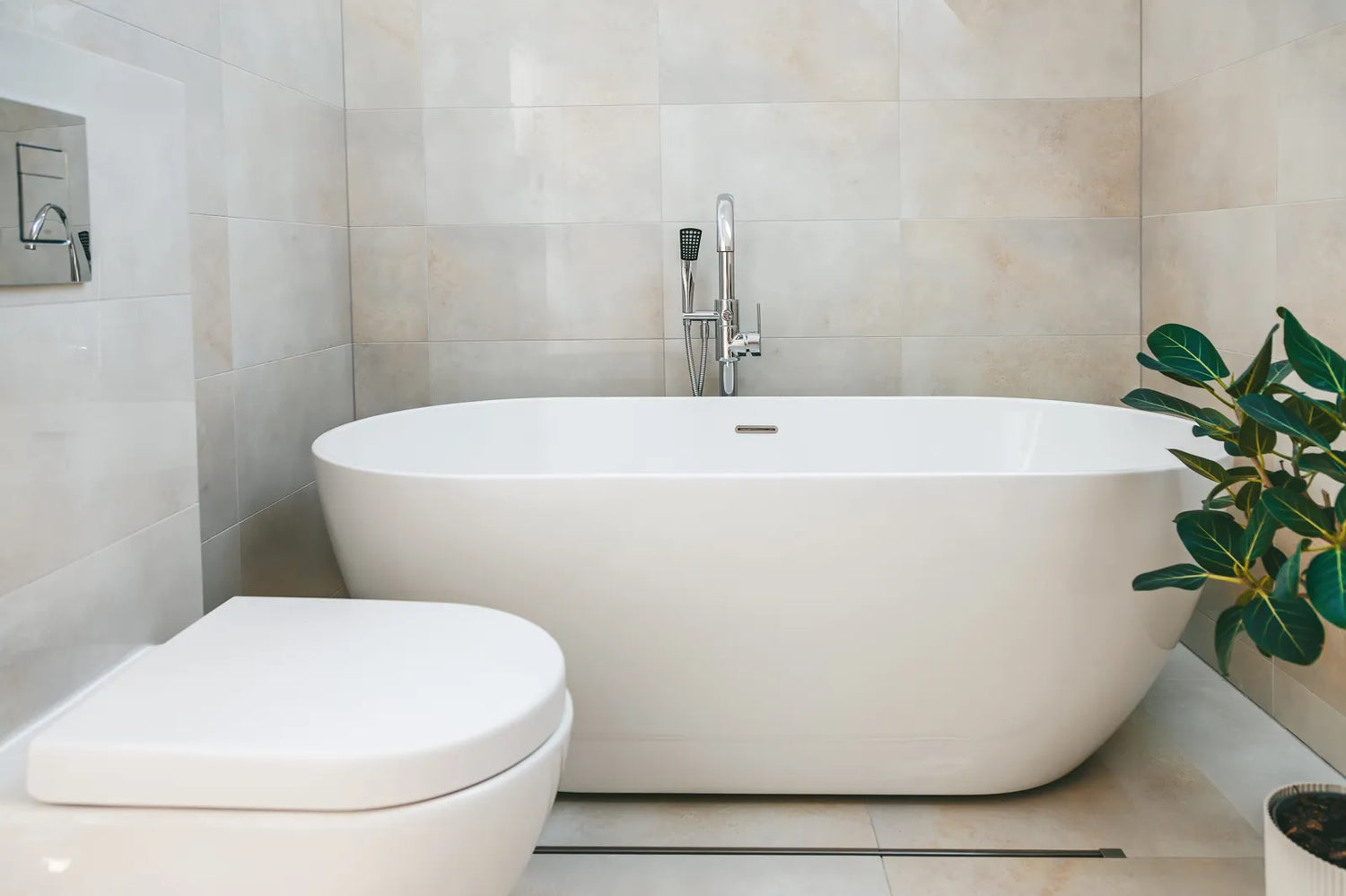
When investing in a bathtub, you must consider various types of bathtubs and which tub material suits your needs, specifically choosing between acrylic and traditional options. When comparing an acrylic bath vs other materials, acrylic bathtubs are lightweight and are often sold as a practical middle ground to a heavy cast iron or steel model.
Acrylic freestanding tubs are often sold as a practical middle ground when comparing acrylic vs cast iron tubs: lighter to install, easier to clean, and durable enough for normal family use. That can be true. But “durable” gets oversimplified.
In real homes, the question is not just whether acrylic can last. It’s whether you will still like living with it after years of cleaning, bathing, minor surface wear, and the occasional dropped bottle or toy.
Decision Snapshot
Quick compatibility warning: Acrylic is not a low-effort material if your cleaning style is aggressive. If your household regularly uses abrasive scrubbers, bleach-heavy products, or strong chemical cleaners, this material is likely to show surface wear faster than expected. According to the U.S. Environmental Protection Agency (EPA)’s Safer Choice program, which helps consumers find products with ingredients safer for human health and the environment, using cleaners that meet Safer Choice standards can reduce premature surface wear on acrylic bathtubs.
Best for easier installs
Acrylic tubs offer several advantages, including being easier to install than a fiberglass tub or heavy metal unit. Understanding acrylic bathtub pros helps determine if this acrylic bath fits your remodel. One of the main pros of acrylic is that acrylic tubs are much lighter than porcelain options, and acrylic bathtubs offer a softer-feeling surface.
Skip for long hot soaks
If your main goal is long, very hot soaking baths, acrylic can become disappointing. The heat retention of acrylic freestanding bathtubs is decent at first touch, but the bathwater tends to cool faster than many people expect. If soak comfort matters more than easy install, this is where regret often starts.
Good if careful cleaning
Acrylic works well for homeowners who will actually follow the care rules. If you are likely to use harsh cleaners, scrub pads, bleach-heavy products, or leave standing residue sitting for long periods, the finish can age faster than expected.
What durability really means
Before getting into details, it helps to separate two different ideas regarding acrylic freestanding bathtub durability that people often mix together: structural durability and finish durability.
Acrylic freestanding bathtub durability is about whether the tub keeps its shape, resists cracking, and holds up under weight over time. Finish durability is about how the surface looks after years of cleaning, scratches, and exposure to chemicals.
Acrylic freestanding bathtubs often perform better structurally than people expect, but their finish tends to show wear sooner.
Differences Between Acrylic and Traditional Materials
Understanding acrylic bathtub construction is key to assessing acrylic freestanding bathtub durability. Bathtubs made with a thick sheet of acrylic and acrylic reinforced with fiberglass are more durable and resistant to long-term wear. Because the acrylic bathtub is made of layered materials, high-quality acrylic bathtub construction ensures the unit won't flex under weight.
Scratch-resistant is not damage-proof
One of the biggest expectation gaps is this: people hear that acrylic is durable and assume that means it is hard to damage. That is not how acrylic freestanding bathtub durability works in practice.

Acrylic is usually more forgiving against minor impact than people expect. It has some flex, so it is not as likely to chip from a small knock the way a harder finish might. That helps in homes with kids, pets, bath toys, and bottles that get bumped around.
But do acrylic freestanding tubs scratch easily? Yes, they can. Not always from one dramatic mistake, but from a slow build of everyday abuse:
-
abrasive sponges
-
powdered cleaners
-
metal items dragged across the surface
-
pet nails
-
dropped razors, shampoo pumps, or bath accessories
So the real story is: acrylic often handles impact better than homeowners fear, but surface wear shows sooner than many expect.
Can it handle daily use?
Can a high-quality acrylic tub handle daily use? Yes, because acrylic is a strong material when the acrylic bathtub is made with proper reinforcement. Acrylic tubs typically handle regular bathing well. While some materials last longer than acrylic, acrylic tubs can easily last 10 to 20 years.
What matters is the phrase “well-made.” Acrylic freestanding bathtub quality varies significantly in shell thickness and reinforcement, and those directly affect long-term performance. Thicker acrylic combined with proper fiberglass or composite reinforcement underneath reduces flexing when you step in, makes the tub feel more solid, and helps it hold its shape over time without stress points forming. Thinner shells, by contrast, tend to flex more under body weight, which can lead to a less stable feel, gradual deformation, and a higher risk of cracks developing after years of repeated use.
If your household takes one bath now and then, almost any decent acrylic tub may seem fine. If the tub gets daily use, frequent cleaning, and heavy traffic from children, that difference in acrylic freestanding bathtub durability shows up faster.
Lifespan depends on build quality
how long do acrylic tubs last? In real homes, a more realistic expectation for many households is around 10 to 20 years, assuming average use and decent care. Some may last longer, but those outcomes usually depend on above-average build quality and maintenance. Broad claims like “10 to 30 years” often reflect ideal conditions rather than everyday use.
Does acrylic freestanding bathtub quality vary by brand and build? Yes, and researching the best acrylic tub brands usa will show that manufacturing standards vary significantly. Thin shells can flex, lose shine, stain more easily, or feel tired sooner. Better-made tubs usually keep their shape and finish longer.
This is why broad lifespan claims can be misleading. A homeowner may hear “10 to 30 years” and assume all acrylic tubs have that kind of staying power. In practice, poor cleaning habits, direct sun, bad ventilation, and leaving standing water, soap residue, or product buildup sitting on the surface can all shorten the life of the finish, even if the structure itself remains intact.
Acrylic bathtub pros and cons: a daily use evaluation
Evaluating the pros and cons of acrylic requires looking at real-life usage. Acrylic bathtubs offer a smooth acrylic surface that is warm to the touch, but the cons of acrylic include potential scratching. For those seeking an acrylic soaking tub, a major item among cons of acrylic tubs is rapid heat los.
Surface wear shows sooner
The day you install an acrylic tub, it often looks clean and bright. The question is what it looks like after years of real life.
This is where acrylic freestanding bathtub pros and cons become clearer. The upside is a smooth, nonporous surface that is usually easy to wipe down. The downside is that small scratches, dulled areas, and scuff marks can slowly take away that “new” look.
A lot of owners do not notice one scratch. They notice the surface looking less crisp over time.
If you are very particular about finish quality, this matters. If you care more about comfort and basic function, you may not mind.
Heat loss changes soak comfort
The heat retention of acrylic tubs is one of the most common disappointments for those who enjoy long baths. The tub shell itself does not usually feel as cold as some harder materials when you first get in, which people like. But the water may cool faster than expected during a long bath.
That matters more than it sounds. If your idea of a tub is a quick evening rinse or a short bath for children, this may not bother you. If your goal is a long soak without topping up hot water, it can feel like a mismatch.
This is one of those issues buyers often wish they knew earlier because it does not show up in a showroom.

Will it still look new?
This depends on your standards. Acrylic can stay attractive for years, but not always “like new.”
Sunlight through a bathroom window, harsh chemicals, and poor ventilation can all age the finish. Some owners also notice dull spots where cleaners were too strong or where soap and residue sat too long.
Can an acrylic freestanding bathtub crack over time? It can, though more often the early signs are cosmetic rather than structural: scratching, fading, staining, or minor surface damage. Cracks are more likely when the tub is low quality, poorly supported, or takes a hard impact. According to the U.S. Consumer Product Safety Commission (CPSC), which provides safety education and guidelines for consumer products, proper support and avoiding heavy impacts are key to preventing structural damage to bathtubs.
Setup and home fit
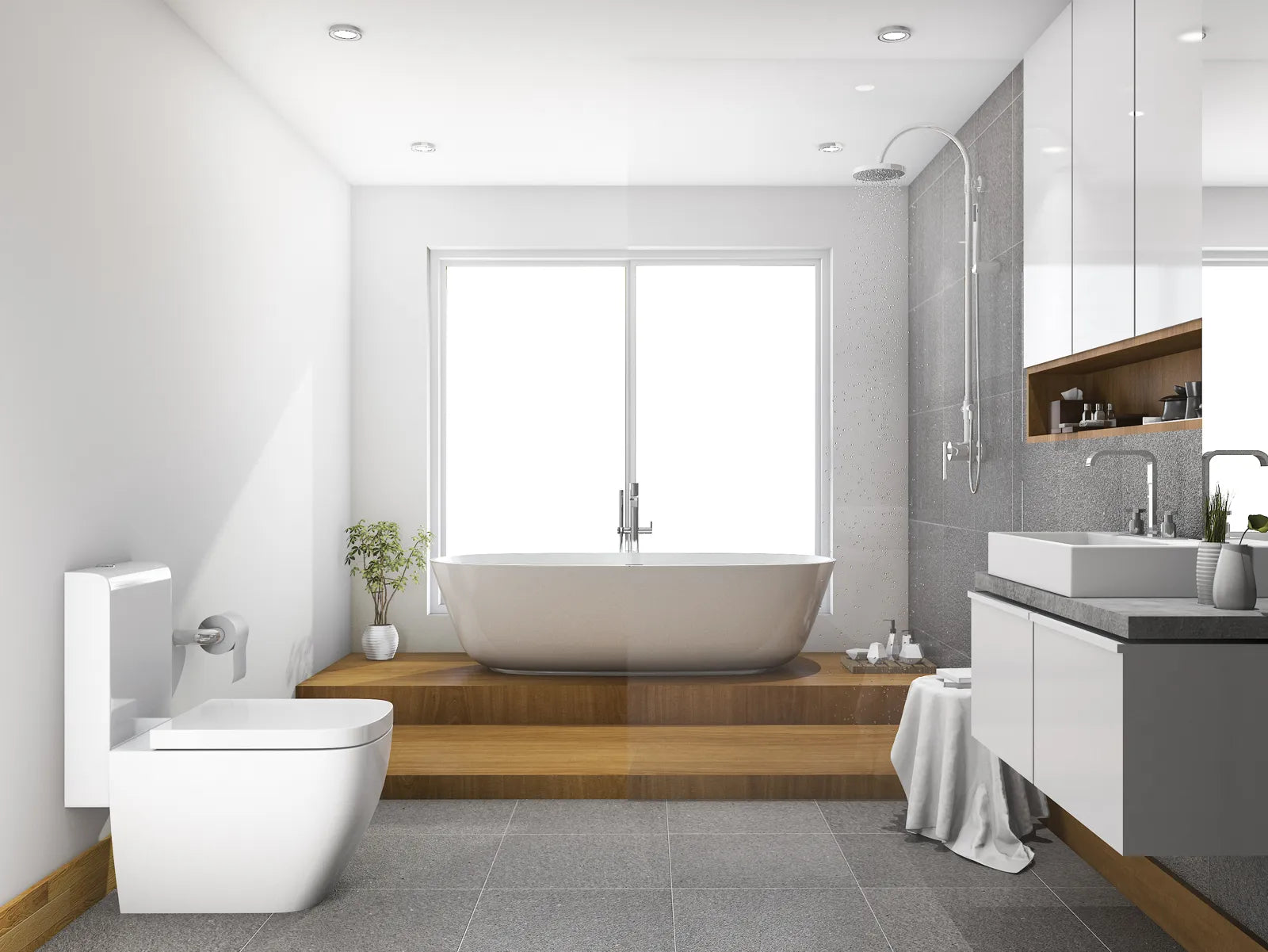
The practicality of an acrylic freestanding tub in your home starts with its setup, and its lightweight design is a major advantage for many installation scenarios—especially in hard-to-reach spaces.
Lightweight helps upstairs installs
Acrylic bathtubs are lightweight, which means acrylic tubs are easier to install in upstairs bathrooms. Acrylic tubs are generally a better choice for renovations where weight is a factor.
This matters in older homes, upstairs bathrooms, tight stairwells, and remodels where getting a very heavy tub into place would add labor, risk, or cost. In those settings, acrylic freestanding bathtub durability may be “worth it” because the install friction is much lower.
If your home layout is awkward, that practical advantage can outweigh some of the long-term finish concerns.

Flexing can feel cheaper
The downside of a lighter shell is that some tubs do not feel as solid once installed. Not every acrylic tub has this issue, but lower-quality ones may flex slightly under weight or feel less substantial when you step in.
That does not always mean failure is coming. But it can create a cheaper feel, and some homeowners regret that even when the tub is technically performing fine.
Does reinforcement improve acrylic freestanding bathtub durability? Usually, it helps by reducing flex and improving stability. It can reduce flex, improve stability, and support longer life. The key point is that reinforcement affects how the tub feels and ages, not just whether it survives day one.
What happens after impact?
Acrylic has one real advantage here: it is less likely than some harder finishes to chip from a light hit. For family bathrooms, that can be useful.
But there is still a limit. A heavy dropped object can gouge, crack, or damage the finish. And once that surface is compromised, moisture and grime can make the problem look worse over time if it is not addressed.
So the real risk is not constant catastrophic failure. It is small damage that becomes a lingering cosmetic problem.
Care and long-term risk
To maximize the lifespan and appearance of an acrylic freestanding tub, proper care is essential—starting with how you clean and maintain its surface to avoid premature wear.
Keep your acrylic bathtub clean and shiny
To keep your acrylic bathtub looking new, you must clean your acrylic with non-abrasive tools. Fortunately, acrylic is easy to clean because acrylic is a non-porous material that resists deep stains.
Use mild, non-abrasive cleaners and soft cloths or sponges. Avoid rough pads, aggressive powders, and strong solvent-type products unless the manufacturer clearly allows them. If your normal cleaning style is “scrub hard until it shines,” acrylic may frustrate you.
This is where many regrets start. People want a tub that looks polished and easy, then discover they have to baby the finish more than expected.
Small damage needs quick repair
Repairing an acrylic bathtub is possible in many cases, particularly when addressing minor surface scratches. Minor scratches can often be polished out or improved with repair products made for acrylic surfaces. Small chips or localized damage may also be repairable.
But repairs have limits. They work best when the damage is small and addressed early. Deep gouges, spreading cracks, or color mismatch can leave visible evidence even after repair.
So if you choose acrylic, it helps to think of maintenance like car paint: small marks are manageable, neglect makes them harder to hide.
Sun and chemicals age finish
Acrylic does not love long-term abuse from direct UV exposure or harsh chemicals. Bathrooms with strong sun, weak ventilation, and frequent chemical cleaning are harder on the finish.
This is one of the quieter regret points. Homeowners often focus on whether the tub will crack, but aging of the surface is more common than dramatic failure.
If your bathroom gets strong direct sunlight or you rely on heavy-duty cleaners, expect the finish to show age sooner.

When acrylic makes sense
Acrylic freestanding bathtub durability is usually a good fit when your priorities are practical:
-
you need a lighter tub for an easier install
-
you want a surface that is simple to wipe clean
-
your household uses the tub normally, not roughly
-
you are fine with gentle care and occasional surface touch-up
-
you value “durable enough” more than “still flawless decades later”
Here’s where this works well in real homes: upstairs remodels, family bathrooms with ordinary use, and homes where ease of installation matters almost as much as the tub itself.
When it becomes annoying
This material becomes more annoying when the tub is expected to do something it does not do especially well.
That includes:
-
long luxury soaks where water cooling becomes frustrating
-
households that clean aggressively with strong products
-
buyers who expect the surface to stay pristine with little effort
-
very budget-focused purchases where shell quality may be inconsistent
-
homes with direct sun exposure and poor ventilation
In those cases, the tub may still function. The regret is more about feel, appearance, and upkeep than total failure.
Before You Choose
-
Check whether you want easy install or long-term finish stability more.
-
Be honest about your cleaning habits. If you use abrasive products, acrylic may wear faster.
-
Ask how the tub is reinforced, not just how it looks.
-
Think about how often you take long hot baths and whether cooling water will bother you.
-
Look at your bathroom light and ventilation. Sun and chemicals can age the finish sooner.
FAQs
1. Do acrylic tubs scratch easily?
They can scratch more easily than many homeowners expect, especially from abrasive cleaners, rough scrub pads, metal objects, or pet nails. Small scratches are common over time.
2. Is acrylic a good material for a bathtub?
Acrylic is a good choice if you prioritize easy installation, lighter weight, and everyday usability. It performs well structurally, and acrylic freestanding bathtub durability is reliable for normal household use, especially when reinforced(). However, its surface is more prone to scratching and dulling over time compared to harder materials. It’s best for users who are willing to clean gently and accept gradual cosmetic wear rather than expecting a flawless finish long-term.
3. How do you maintain an acrylic freestanding tub?
Maintenance is mainly about being gentle and consistent. Use mild, non-abrasive cleaners with a soft cloth or sponge, and rinse after use to prevent residue buildup. Avoid harsh chemicals, bleach-heavy products, and rough scrubbers. Regular light cleaning works better than occasional aggressive scrubbing. Address small scratches or marks early to keep the surface looking smooth over time.
4. Are acrylic tubs heavy enough to be stable?
Acrylic tubs are lightweight, but stability depends more on build quality than weight alone. For example, horow acrylic tub quality is often defined by thicker shells and proper fiberglass or composite reinforcement that feels solid and stable once installed(). Lower-quality models may flex slightly under weight, which can feel less secure. When properly installed and supported, a good acrylic tub is stable enough for daily use.
5. How to fix a crack in an acrylic tub?
Small cracks or chips can often be repaired using acrylic repair kits, which typically involve filling, sanding, and polishing the damaged area. The key is to fix the issue early before it spreads. Deeper or structural cracks are harder to repair cleanly and may remain visible or require professional repair. Severe damage can compromise the tub and may eventually require replacement.
6. Best way to clean a glossy acrylic tub?
Use a soft cloth or sponge with a mild liquid cleaner or soap solution. Avoid abrasive powders, scouring pads, or strong solvents, as they can dull the glossy finish. After cleaning, rinse thoroughly and wipe dry to prevent water spots and residue. For maintaining shine, occasional polishing with acrylic-safe products can help restore a smooth, glossy appearance.
Reference


Leave a comment
This site is protected by hCaptcha and the hCaptcha Privacy Policy and Terms of Service apply.