



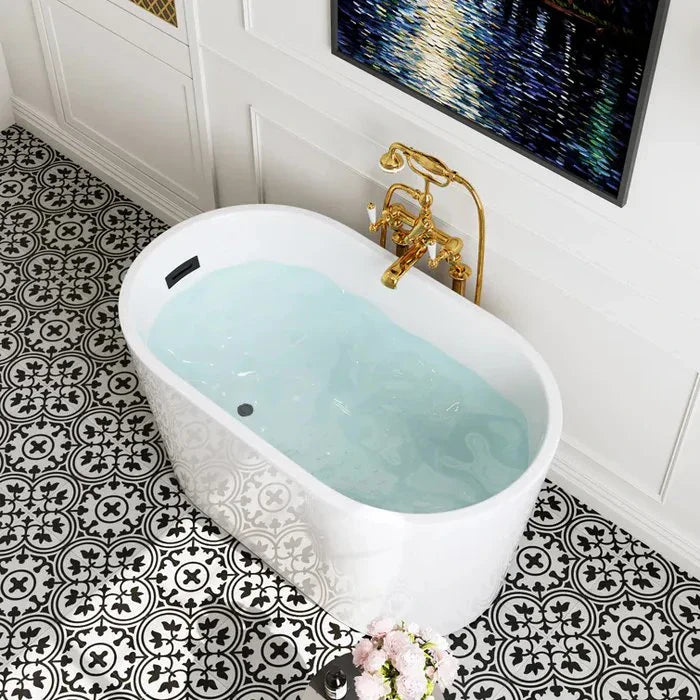
A 59 inch acrylic freestanding tub sits in a sweet spot: it looks “high-end modern,” fits more bathrooms than a 67–71" model, and it’s usually light enough to get into the house without removing doors or hiring extra labor. But there are two real risks that decide whether you’ll love it or regret it: Fit and comfort (59" is not long for tall soakers), and stability (many lightweight freestanding acrylic tubs can rock or slide if the floor isn’t flat and the tub isn’t secured correctly). If you only remember 3 things: Make sure the tub fits the height and length needs of your household to avoid cramped soaking. Check the floor carefully for levelness, and always secure the tub according to the manufacturer’s instructions to prevent rocking or sliding. These simple checks address both comfort and safety, making your freestanding tub a reliable and enjoyable centerpiece. This guide is written to help you make a confident first decision: Is a 59 inch acrylic freestanding tub the right type for your home—and what should you watch for before you order?
Decision Snapshot: when a 59 Inch Acrylic Freestanding Tub is the right call (and when to skip it)
Choosing the right tub isn’t just about style—it’s about how it fits your daily life. A 59-inch acrylic freestanding tub can look sleek and modern, but its real value comes from practical fit, walking clearance, and stability. Before committing, think about who will use it, how often, and whether your bathroom layout supports safe, comfortable entry and cleaning. This step helps you separate situations where the tub will feel intentional and luxurious from those where it could cause frustration or even safety issues.
Rule of thumb
Only choose a 59" tub if you can keep 30–36" of clear entry-side walking space and level and secure it exactly per the manual; otherwise, pick a different tub type.
| Buy | Don’t buy |
| One-person soaking tub with a modern, freestanding look | You need rock-solid stability for kids, pets, or frequent bumping/leaning |
| Compact 59" tub that feels upscale without overwhelming the room | Bathroom has slick tile and you don’t want to anchor the tub |
| Lightweight acrylic that’s easier to carry and clean than stone | Floor is uneven and can’t easily be fixed |
| Glossy, smooth surface that doesn’t require special sealing | You plan to use the tub like a seat (sitting on the rim, leaning hard, shaving legs on edge) |
| Fits master bathrooms where space is limited but walking clearance is maintained | Taller users over ~5'10" may find the tub too short for comfortable soaking |
| Stylish freestanding option compatible with standard bathroom doors | Any situation where the tub cannot be properly leveled and secured |

Who this tub is for (and not for) in real homes
Real-home profiles: A 59" acrylic freestanding tub suits homeowners seeking a modern, compact soaking option for a master bath, those pairing it with a standard double vanity and walk-in shower, or anyone wanting a stylish centerpiece without overwhelming the room. Misfit profiles include taller users over ~5'10" needing more legroom, households with kids or frequent bath traffic that compromise stability, and bathrooms with tight pinch points where clearance for doors, vanities, or drying space is limited. These profiles help gauge whether the tub will feel intentional, functional, and comfortable in your real space.
The “59" master bathroom tub” buyer
In a real master bath, 59" often reads as “intentional and modern” without turning the room into a tub showroom. It pairs well with:
-
A standard double vanity run
-
A walk-in shower
-
A toilet room or a toilet tucked behind a partition
In other words, it’s a common choice when the tub is a feature, but not the only feature.
Where it works best is when the tub has breathing room on at least one long side, so cleaning and entry don’t feel cramped.
Will this work in a small bathroom with a vanity, toilet, and door swing?
Sometimes yes, but only if you plan the “pinch points.” In smaller bathrooms, the tub isn’t usually the problem—the clearances are:
-
Door swing hitting the tub
-
Tight walk space between tub and vanity
-
No place to stand when turning the tub filler on/off
-
No place to dry off without dripping across the room
If you’re trying to put a freestanding tub into a tight full bath, measure the layout in tape on the floor. If you can’t comfortably walk it when the tape is down, you won’t like it when the tub is in.
Not ideal for mobility-limited users
Many 59" freestanding acrylic tubs land around 23–24" tall at the rim. That height can be fine for healthy adults, but it’s not friendly for those with mobility or balance issues. According to the CDC, falls are a major risk in home bathrooms, especially for older adults or anyone with mobility limitations. Anyone who needs to sit on the edge and swing legs in slowly should consider additional safety measures like a grab bar or non-slip mat.
Decision gate: Skip a freestanding acrylic tub entirely if the entry rim height is too low to safely step in, balance is compromised, or the interior slope leaves minimal flat standing area—freestanding tubs may then pose a fall risk or limit ease of use.
Also, many freestanding tubs have a sloped interior that feels great for soaking, but it reduces flat standing area during entry/exit. If accessibility matters, a freestanding soaking bathtub can still work, but you should be thinking about:
-
A nearby grab bar (properly anchored)
-
A non-slip bath mat outside the tub
-
A floor that isn’t slick when wet
When to choose heavier material (or an alcove tub) instead
A lightweight freestanding acrylic bathtub is popular because it ships easier and installs easier. The trade-off is that weight often equals stability.
You should seriously consider a heavier tub material or a built-in alcove/drop-in tub if:
Daily-use stress test:
-
Multiple people will use the tub daily
-
Kids will lean or climb on the tub edge
-
Bathroom is a high-traffic pass-through
-
You want to sit on the rim without worry
-
Frequent cleaning behind the tub is inconvenient
A built-in tub also gives you a ledge for toiletries, easier filler options, and fewer “clean behind the tub” headaches.
The trade-offs that decide satisfaction: size, soak, stability, and style
When choosing a 59" master bathroom tub, the balance between size, style, and functionality becomes clear. Many customers appreciate the warmth and elegance of an acrylic freestanding bathtub, which retains heat well and transforms a simple bath into a relaxing experience. Before placing an order, inspect dimensions carefully and check the shipping policy, so your tub arrives safely and your support team can assist with any delivery or setup requests.
Is a lightweight acrylic bathtub worth it for a solid feel?
Acrylic is popular because it’s warm to the touch, smooth, and easy to keep looking clean. But the complaint you’ll hear most from pros and picky homeowners is about movement—especially on tile.
A lightweight tub can feel:
-
Slightly hollow when tapped
-
Less planted under shifting weight
-
More sensitive to floor flatness
What “solid” means in practice: In real use, a tub feels “solid” when it does not rock or shift under normal entry, soaking, or leaning. That depends on multiple factors: a completely flat floor, reinforced base design, correctly adjusted leveling legs, proper anchoring per the manufacturer’s instructions, and a drain connection that tolerates minor expansion/contraction without loosening. If any of these are compromised, you may feel instability and hear hollow sounds, which can affect your sense of quality and safety. Consider these together as a threshold for acceptable solidity before purchase.
That does not mean acrylic is “bad.” It means you have to buy and install with the real trade-off in mind:
-
If you want a tub that feels like it’s part of the building, lightweight freestanding acrylic is not the easiest path.
-
You can still get there, but you’ll care a lot about reinforced base design, leveling legs, anchoring, and drain handling over time.
Modern 59 inch soaking tub comfort
Most people buy a modern 59 inch soaking tub for one reason: they want a comfortable soak without a giant tub taking over the bathroom.
In this size, typical comfort traits that matter are:
-
Soak depth often around 14–15" to the overflow
-
A sloped backrest (lumbar support) on one or both ends
-
A narrower bottom that helps you feel cradled, not spread out
Specs to verify before buying:
Before committing, check:
-
Interior basin length relative to your height
-
Where the backrest slope starts
-
How high the water line reaches before the overflow
-
Flat center area for comfortable recline and leg positioning
Here’s the part that surprises people: A 59" tub can feel roomy for a one-person soak, but it may not feel “stretch-out long” unless you’re shorter or comfortable reclining with knees slightly bent.
Is 59 inches long enough to stretch out?
For many adults, it’s “long enough to soak,” not “long enough to lie flat.” If you’re over about 5'10", pay extra attention to:
-
Interior basin length (not exterior length)
-
Where the slopes start
-
How high the water line sits before the overflow
If possible, sit in a similar tub shape in a showroom. If you can’t, look for a tub with a generous flat area in the center and a back slope that doesn’t start too early.
Freestanding vs alcove/drop-in
A freestanding tub is a visual statement. An alcove/drop-in is a practical workhorse.
Freestanding advantages:
-
Looks contemporary and open
-
Works well in a master suite where the tub is a focal point
-
Easier to swap later without opening tiled walls (sometimes)
Freestanding downsides:
-
You must clean around it (and behind it if there’s a gap)
-
You need thoughtful faucet placement (often a floor-mounted tub filler)
-
Stability depends on correct leveling and securing
-
Uses more “negative space” around it even if the tub itself is compact
If your main goal is simple bathing and showering, an alcove tub with a shower is still hard to beat. If your main goal is soaking and design, freestanding makes sense.

Soaking-only reality: bubble/jet expectations
A 59 inch acrylic freestanding tub is usually a soaking bathtub, not a jetted spa.
That matters because some buyers expect:
-
Bubble or jet systems
-
Inline heaters
-
Built-in controls
You can find those features in some freestanding tubs, but the minute you add jets, you add:
-
More maintenance
-
More things to leak or fail
-
Harder cleaning
-
More cost
If what you want is quiet soaking and easy cleaning, soaking-only is often the happier choice.
Total cost & practical constraints beyond the tub price
Many homeowners budget for the tub and then get blindsided by the “supporting cast”: tub filler, drain parts, labor, and the cost of making the bathroom floor and plumbing ready.
Key cost driver: In most installs, the floor-mounted tub filler and its rough-in placement account for the largest portion of extra cost and complexity, often more than delivery or drain parts combined.
Budget table: what people actually spend
Prices vary by region, but this gives you realistic planning ranges.
| Item | Typical range | Notes that affect your decision |
| 59 inch acrylic freestanding tub | $700–$2,000 | Price jumps with thicker acrylic, better base, and upgraded finish |
| Drain/overflow kit | $80–$250 | Some tubs include it; confirm finish and compatibility |
| Floor-mounted tub filler faucet | $250–$900 | Brushed nickel, polished chrome, matte finishes change price |
| Shutoff valves/supply materials | $50–$200 | Depends on access and routing |
| Delivery/shipping | $0–$250+ | Heavy/oversize delivery can cost more; check threshold delivery rules |
| Plumber labor | $500–$1,500 | More if slab work or moving supplies |
| Flooring/subfloor prep | $0–$800+ | Leveling compound, patching, tile repair, reinforcement |
| Misc materials | $30–$150 | Silicone, shims, screws/anchors, blocking |
The key point is: a “good deal” tub can stop being a good deal if your layout requires a floor-mounted filler and your floor needs leveling or your supply lines need rerouting.

Hidden line items: the tub filler and water routing
A freestanding tub often needs a floor-mounted tub filler (also called a tub filler faucet). That looks clean, but it can be the trickiest part of the install.
Decisions to make before you order:
-
Where will the filler mount? (relative to the tub rim and drain)
-
Can you reach the valves comfortably without leaning over the tub?
-
Do you want a hand shower attachment? (nice for rinsing the tub and washing hair, but adds another hose to manage)
Also think about finish early—brushed nickel, polished chrome, and matte finishes don’t just change style. They also change how often you’ll notice water spots and fingerprints.
Shipping, delivery, and damage risk
Freestanding tubs are big, awkward, and easy to scuff in transit. Plan for a careful arrival process.
When the item arrives:
-
Inspect the carton for punctures, crushed corners, and water damage
-
Take clear photos before opening
-
Open and inspect the tub surface in good light
-
Check the rim, base, and drain area for hairline cracks
-
Confirm included parts match the packing list
If there’s damage, don’t wait. Document it and email support the same day with photos and the delivery receipt details. This is one of those moments where being organized saves days.
Returns/refunds and replacement parts
Before you order, confirm:
-
Return policy window (and whether return shipping is charged)
-
Whether you must keep the original packaging
-
How damage claims work after delivery
-
Whether replacement parts (drain cover, overflow cover, leveling legs) are available
Freestanding tubs are not like small fixtures you can toss in a box. A return can become expensive and stressful fast.
Will a 59-inch freestanding tub actually fit your bathroom layout?
Fit = room + clearance + delivery path + faucet rough-in.
A tub that “fits” isn’t just about length and width. You must confirm it physically fits the room footprint, leaves usable walking and cleaning clearances, can travel through doors and hall turns during delivery, and aligns with faucet rough-in locations. If any one of these four factors is overlooked, a 59-inch freestanding tub that looks perfect on paper can become a costly problem on install day.
Clearance diagram: plan for a 59 x 29–30" footprint
Many 59 inch acrylic freestanding tubs land around 59" long and 29–30" wide (varies by model). The footprint is only part of it.
Use these practical clearance targets:
-
30–36" clear walking space on the entry side (the side you’ll step into the tub from)
-
4–6" minimum gap to the wall if it’s near a wall (enough to clean, but not so tight you can’t reach)
-
At least 18–24" open space at one end if you want easy drying-off movement and towel access
Simple way to test: tape a 59" x 30" rectangle on the floor, then tape the walking lane next to it. Stand in the “walking lane,” bend as if cleaning, and simulate stepping in/out. If it feels tight dry, it will feel tighter wet.
Doorways and hall turns: measure the tightest path
A common surprise is that the tub fits the bathroom, but not the hallway corner.
Measure:
-
Narrowest doorway width (including trim)
-
Tightest hallway turn
-
Stair width if applicable
-
Any railing pinch points
-
The bathroom door opening angle (some doors don’t open fully in tight spaces)
Confirm with the supplier whether the tub must be carried on its side or can stay upright. Then measure clearances based on that orientation, not just overall length—side-carrying often needs more vertical and diagonal space.
Faucet reach and placement
Floor-mounted tub fillers look simple on photos. In real life, placement decides whether you love it.
Placement pass/fail checklist:
-
Spout reaches tub interior without splashing off the rim
-
Controls reachable without leaning far over the tub
-
Hand shower hose won’t rub on tub edge
-
Not positioned where it becomes a shin-banger
Avoid placing the filler where you’ll brush it every time you walk past.
Floor load reality
Acrylic tubs are light when empty, but once filled, the floor sees the real load.
Quick math that’s close enough for planning:
-
Water weighs about 8.34 lbs per gallon
-
A 59" soaking tub commonly holds roughly 55–59 gallons to a practical fill line
-
That’s about 460–490 lbs of water, plus:
-
Tub weight (often 70–120 lbs, varies)
-
Person weight
-
Any dynamic movement (shifting, sitting down)
-
On a typical wood-framed bathroom floor in good condition, this is often fine. The bigger risks are:
-
Rotten or cut joists from past plumbing work
-
Poor subfloor around old tub drain areas
-
A floor that’s out of level (which affects stability more than strength)
If you have any doubt—especially in an older home—get eyes on the framing before the new tub goes in.
Installation realities that change the decision (DIY vs pro)
Acrylic freestanding tubs can be DIY-friendly, but only if your bathroom is already prepped and you’re patient with leveling and leak checks.
Leveling and stability
Most freestanding acrylic tubs rely on a base with leveling legs or an adjustable support system.
Real-life advice: leveling is not optional, even if the tub “looks fine.” If it’s slightly out:
-
Water may not drain fully
-
The tub can creak or shift under load
-
The drain connection can be stressed over time
If the manual calls for anchoring or securing the base, treat that as non-negotiable. A tub that can move a little on day one can move more after months of stepping in, leaning, and cleaning.
Non-negotiables (pass/fail):
The tub must be perfectly level, have full contact between the base and finished floor, and be anchored or secured when specified by the manufacturer. Any rocking, gaps under the base, or skipped anchoring is a fail condition. These items are not fine-tuning details—they determine long-term stability, drainage performance, and whether the installation will remain trouble-free.
What if the tub rocks or slides on tile?
This is the scenario that creates the most regret.
If the tub rocks:
-
It often means the floor isn’t flat, or the leveling legs aren’t carrying weight evenly
-
Shimming “a little” without addressing the base support can create pressure points
If the tub slides:
-
Slick tile + lightweight tub + no anchoring can equal movement
-
Movement can stress the drain and can be unsafe if someone is getting in or out
Some people try to “solve” this with extra silicone under the base. Silicone can help reduce tiny shifts, but it’s not a structural anchor. If the tub is truly unstable, the correct fix is usually:
-
Proper leveling
-
Following the specified anchoring method
-
Correct base contact with the floor

Drain connection sequence and leak testing
Drain installs fail when people rush or over-tighten.
A good general process (follow your specific instructions first):
-
Dry-fit the drain components to understand alignment
-
Ensure gaskets sit flat and clean (no debris)
-
Tighten by hand, then a small additional turn (avoid crushing gaskets)
-
Fill the tub to the overflow and let it sit
-
Drain it while watching the connections for slow leaks
Slow leaks are the ones that ruin floors, because you don’t notice them right away.
DIY vs plumber: when a pro is the safer choice
Hiring a pro is often worth it when:
-
You’re on a finished slab and supply/drain changes are needed
-
There’s no access from below
-
You’re installing a floor-mounted tub filler and need precise rough-in placement
-
The bathroom floor needs leveling and you want the tub perfectly stable
DIY can be reasonable when:
-
Drain location matches your existing plumbing
-
You have access below (unfinished basement or crawlspace)
-
You’re comfortable with careful leveling and leak testing
Long-term ownership: maintenance, risks, and how regrets happen
Owning a freestanding tub long-term isn’t just about the initial sales or the manufacturing quality—it’s about how well you maintain it and plan for everyday use. Simple steps like regular inspection, careful cleaning, and proper handling can deliver an exceptional soaking experience, preserving the luxury feel of your bathroom. Clear communication with your support team and understanding the tub’s limits help avoid regrets and ensure your investment continues to shine.
Acrylic surface care
How do you clean a 59-inch acrylic tub?
Clean it like a delicate glossy surface, not like tile.
In most homes, the winning routine is:
-
Warm water rinse after use
-
Mild dish soap or a gentle bathroom cleaner
-
Soft sponge or microfiber cloth
-
Drying the surface if you hate water spots (especially with polished chrome nearby)
Avoid:
-
Abrasive powders
-
Rough scrub pads
-
Harsh solvents that can dull the finish
Do acrylic tubs scratch easily?
Yes—acrylic can scratch more easily than porcelain-coated cast iron. The upside is that many light scratches can be polished out, but you don’t want to be doing that often. If you have pets that will jump in, or kids with bath toys that grind grit, expect wear unless you’re careful.
Practical tip: keep a small strainer in the drain and avoid letting sand/grit sit on the tub floor. Most “mystery scratches” come from grit being rubbed around during cleaning.
Heat retention and insulation
Does acrylic keep bath water warm?
Acrylic feels warmer to the touch than cast iron because it doesn’t pull heat from your skin as fast. But water temperature retention depends on more than the tub material.
What affects your “comfortable soaking experience” most:
-
Water volume (more water holds heat longer)
-
Bathroom temperature and drafts
-
How long you soak
-
Whether the tub has any insulation or a reinforced backing
In real use, many people find acrylic comfortable for soaking, but if you like very long baths, you may still add hot water partway through.
Safety and daily habits
Freestanding tubs are not designed for edge-sitting like a built-in tub deck.
If you tend to:
-
Sit on the rim to shave
-
Lean heavily on one side to clean
-
Let kids climb on the edge
…then stability becomes a daily safety issue, not a one-time install issue.
Also, don’t assume the bottom is non-slip. Some are, some aren’t, and “non-slip” doesn’t mean slip-proof. Plan for a bath mat outside the tub and keep the floor dry.
Durability: acrylic vs cast iron
Is an acrylic tub as durable as cast iron?
Not in the same way.
-
Cast iron is extremely hard and heavy. It resists movement and feels permanent. Its enamel can chip if hit hard, but it’s tough day-to-day.
-
Acrylic is lighter and can be very durable when well made and well supported, but it’s more prone to scratching and it relies more on correct installation to feel stable.
A well-built freestanding acrylic tub can last many years, but it’s less forgiving of:
-
Poor floor prep
-
Skipped anchoring
-
Rough cleaning habits
Weight limits and “quality construction”
How much weight can a 59" acrylic tub hold?
This varies a lot by design. Many are built to handle a typical adult plus water without issue, but you should not guess.
Look for:
-
A published weight limit in the specification sheet
-
Reinforcement (often fiberglass backing)
-
A base that supports the tub evenly (not just a narrow contact strip)
If the listing doesn’t clearly show a specification sheet, that’s a reason to pause. You want real numbers, not vague claims.
Before You Buy checklist
-
Verify whether the tub requires anchoring and what hardware is needed
-
Plan for floor leveling if your tile or subfloor isn’t flat
-
Decide on the tub filler type and exact location before rough-in
-
Confirm the interior basin length (not just “59 inch”) if you’re tall
-
Tape out a 59" x 30" footprint plus 30–36" walking clearance
-
Measure the tightest path: doorway widths, turns, stairs
-
Confirm the drain/overflow kit is included and matches your finish
-
Check the return policy and damage-claim timeline before ordering
FAQs
1. Is an acrylic tub as durable as cast iron?
Acrylic tubs aren’t quite as heavy-duty as cast iron, but they can still last many years if treated right. The key is proper installation: make sure the base is level, fully supported, and anchored per instructions. Skipping these steps can lead to wobbling or stress on the tub, which may reduce longevity. While cast iron feels solid underfoot, acrylic offers a lighter, warmer touch and easier cleaning. Think of it as an innovative alternative that’s easier to handle during delivery or setup. Keep in mind, rough use or jumping in repeatedly may still cause minor dents or marks.
2. Does acrylic keep bath water warm?
Acrylic holds heat surprisingly well, though it won’t retain warmth exactly like cast iron. Water volume, bathroom temperature, and draft all play a role in how long your soak stays comfortable. Many 59-inch tubs have enough capacity to keep water cozy for a typical soak, and a sloped backrest helps trap heat around your body. Some homeowners add a little extra hot water midway, especially for longer soaks. Its lightweight design makes it easier to conceal plumbing or adjust drains, while stainless steel or polished chrome fixtures nearby don’t draw heat away as much, maintaining that comfortable bath experience.
3. How do you clean a 59-inch acrylic tub?
Cleaning acrylic is straightforward if you treat it gently. Use warm water with mild soap or a soft bathroom cleaner and wipe with a sponge or microfiber cloth. Avoid abrasive powders or harsh scrubbers that can scratch the surface. Rinse after each soak and dry to prevent water spots, especially around stainless steel drains or faucet levers. Keeping a small strainer in the drain helps prevent grit from scratching the tub. With consistent care, your tub can maintain its glossy finish and elegance. Simple routines like these also make returns or a refund request less likely because the tub stays in showroom shape.
4. Can a standard bathroom fit a 59-inch tub?
In most master or secondary bathrooms, a 59-inch tub fits nicely as long as you plan for clearance. You’ll want about 30–36 inches of walking space on the entry side to step in comfortably, and enough room around the edges to clean or access faucets. Doors, corners, and vanities can affect installation, so mapping the layout first helps avoid surprises. Consider delivery timing too—many tubs arrive within 48 business days, and careful measurement ensures the tub won’t get stuck. Planning faucet placement, drain location, and tub lever reach ahead of time makes the setup smooth and stress-free.
5. Is 59 inches long enough to stretch out?
For most adults, 59 inches provides a comfortable one-person soak, but it may not be enough to lie fully flat if you’re taller than 5'10". The interior basin length and where the backrest slope starts are crucial for comfort. Some people bend their knees slightly while soaking, which still feels relaxing. Smaller bathrooms often favor this length since it offers space efficiency without overwhelming the room. Overall, a 59-inch acrylic freestanding tub balances comfort and practicality, allowing a luxurious soak while leaving room for a vanity or kitchen-style storage nearby, especially in compact layouts.
6. Do acrylic tubs scratch easily?
Acrylic is softer than cast iron, so it can scratch if sand, grit, or rough scrubbers are left on the surface. Minor scratches can usually be polished out, but prevention is easier. Keep a small strainer in the drain and wipe gently after each use. Avoid steel scrubbers or harsh cleaners. With careful maintenance, scratches are rare, and your tub maintains its glossy, luxurious appearance. Even in a busy household, small scratches are cosmetic rather than structural. Stainless steel drains or levers nearby are less likely to scratch if handled properly, letting the tub retain that high-end look for years.
7. How much weight can a 59" acrylic tub hold?
Most 59-inch acrylic tubs can easily handle an adult plus a full bath of water, but each model has its own limit listed in the specification sheet. Reinforced bases, often with fiberglass backing, help evenly distribute weight and prevent wobbling. It’s important to follow installation instructions and ensure all levers and drains are properly fitted to avoid stress points. Overloading or uneven weight can compromise stability. Planning ahead and checking specifications ensures safe, long-term use. With proper care, your acrylic tub remains a luxurious soaking spot, and you can confidently enjoy it without worrying about structural failure.
References


Leave a comment
This site is protected by hCaptcha and the hCaptcha Privacy Policy and Terms of Service apply.