
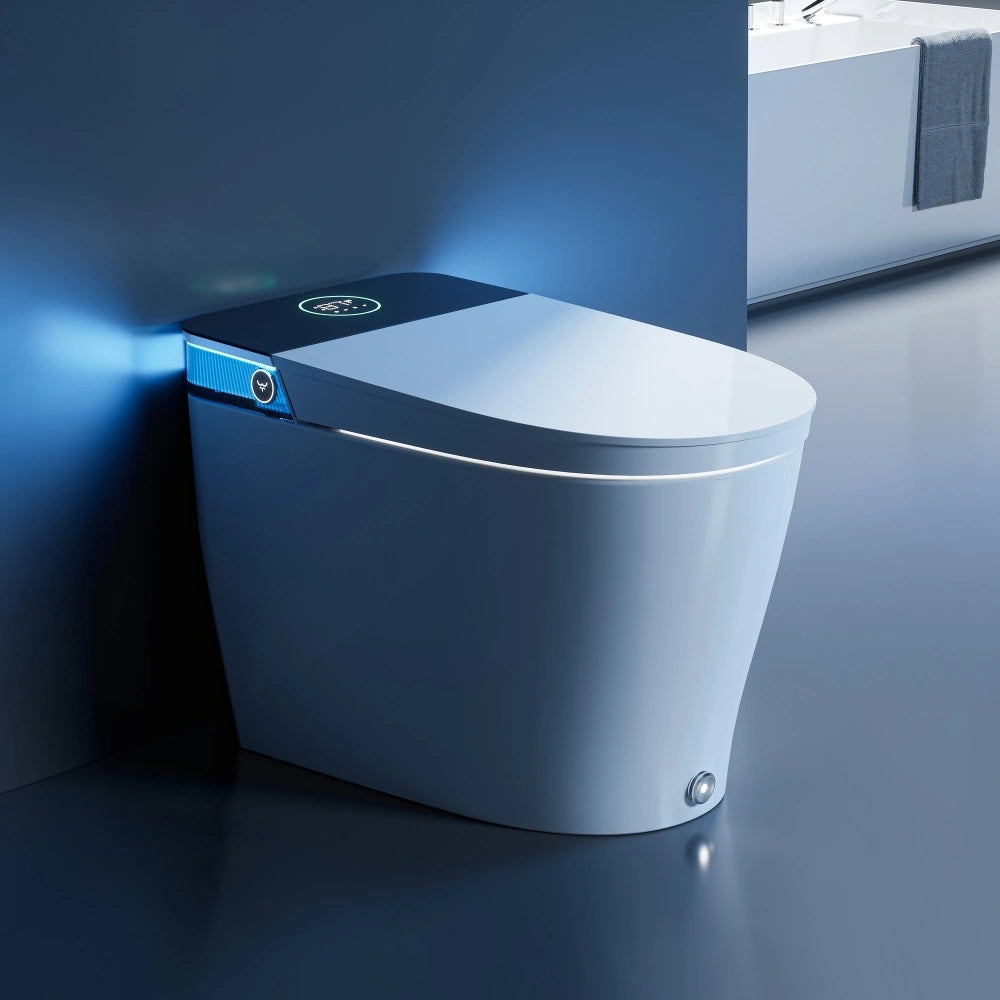
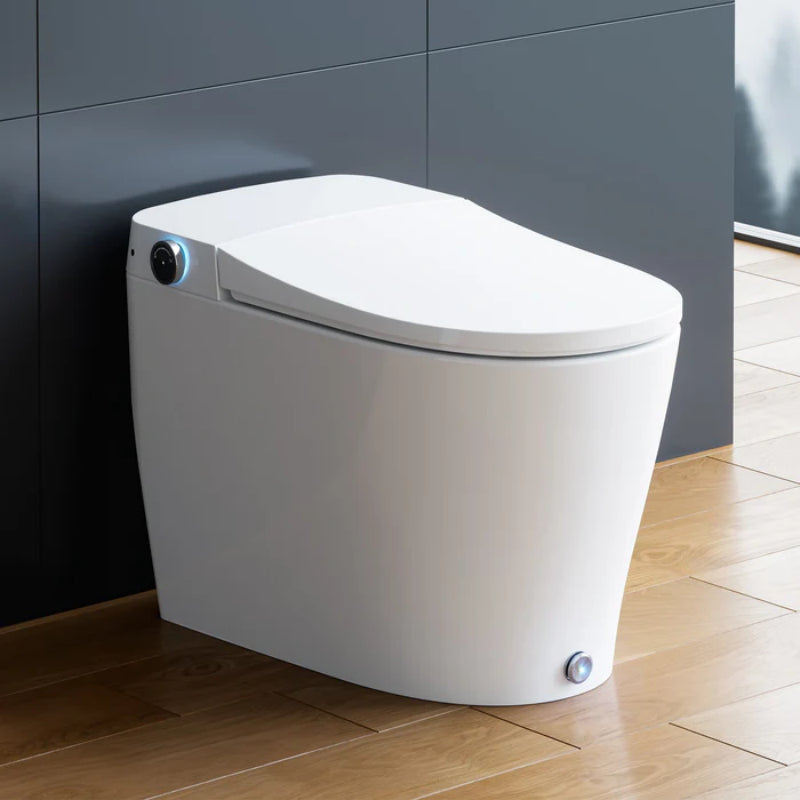
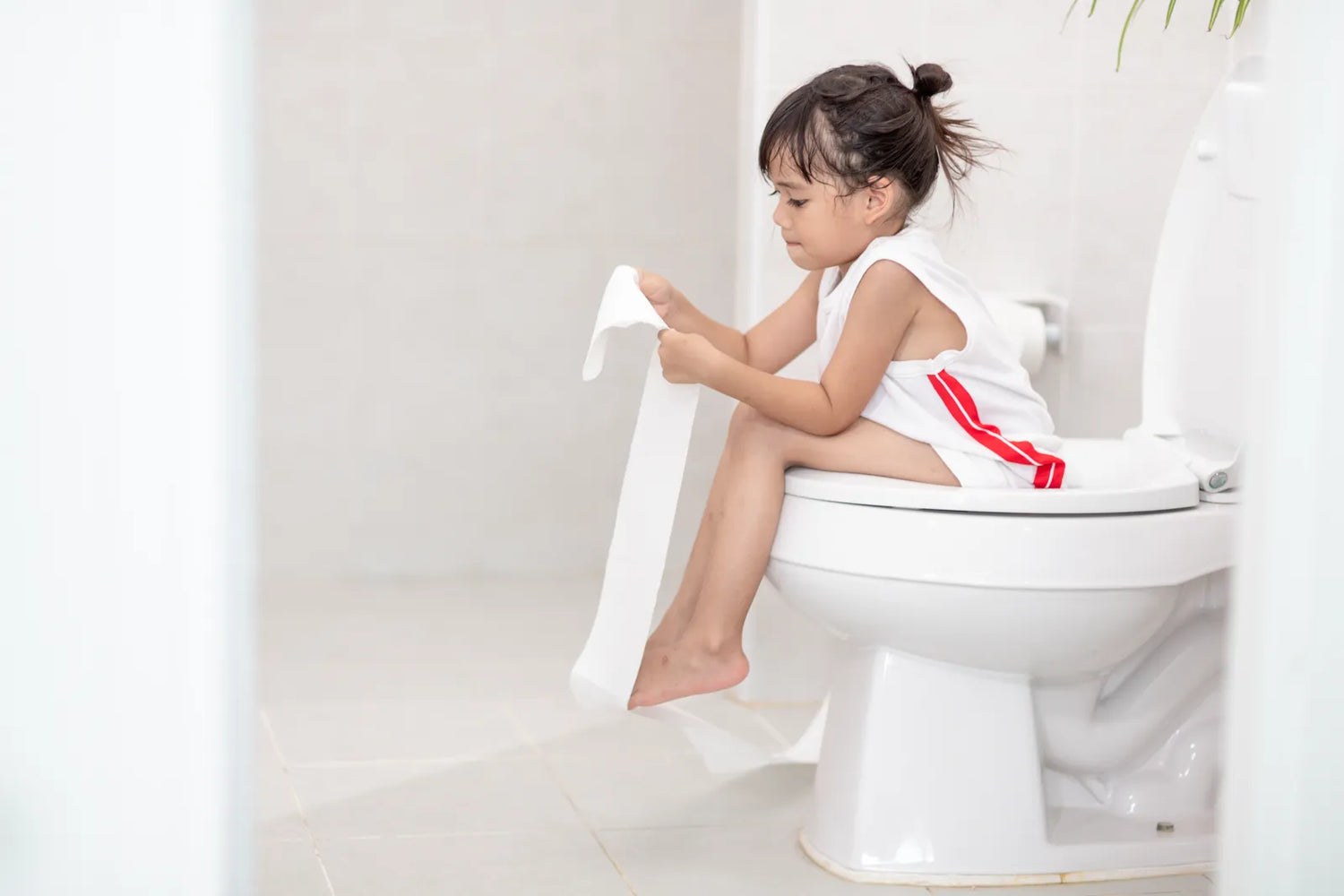
Smart toilet features can help some families, but smart toilets may also introduce new challenges that a regular toilet never had. They can also create new hassles that a regular toilet never had. In this guide to smart toilet safety for kids, Child safety refers to risks like falls, pinched fingers, unstable seating, or unsafe temperature and water pressure, according to the American Academy of Pediatrics (AAP), which emphasizes injury prevention in everyday home environments. Other factors like noise, surprise (auto flush/lid), hygiene features, or convenience affect usability and comfort, but are not always direct safety risks. Keeping this distinction in mind helps you decide which features truly matter for your child when evaluating smart toilet safety for kids.
Decision Snapshot
Smart Toilet Safety for Kids - Good fit for supervised learners with adjustable settings: these features make the most sense when you have a child who is old enough to learn routines, responds well to gentle coaching, and still uses the bathroom with an adult nearby at least part of the time.
Skip if your bathroom is cramped: smart toilet safety for kids requires adequate space. If the toilet area is tight, extra seat bulk, moving lids, and touch-free sensors often create more hands-free frustration than safety.
Skip if your child startles easily: for children prone to startling, smart toilet safety for kids features like auto flush, sudden lid movement, fan noise, and bidet spray can turn bathroom time into a struggle for some toddlers and younger kids.
Here's the short version on smart toilet safety for kids: this works best when parents want a few specific safety and comfort helpers, not a fully hands-free bathroom. It works worst when you expect the system to automate the learning process and do the teaching for you.
Who benefits most from smart toilet safety features for kids
Understanding kid-friendly bidet settings guide and smart toilet safety for kids requires recognizing that not every user benefits from smart toilet features in the same way. Understanding who these features actually help—and in what situations—can make it easier to decide whether they add real value or simply extra complexity in daily use.

Are smart toilets safe for potty training? best features for kids
Some smart toilet features fit potty training better than others.
A soft-close lid can help prevent pinched fingers and reduce finger injury risks on small children. A night light can help a child find the toilet without turning on bright overhead lights. A gentle heated seat may make cold-weather bathroom trips less unpleasant. Self-cleaning functions in smart toilets can also help with enhancing hygiene. better hygiene if you are dealing with frequent misses, messy wiping, or a child who touches more surfaces than you wish they did.
That said, these features help most when your child is already learning the basic routine: sit properly, wait, wipe, flush, wash hands. They do not replace supervision. In fact, teaching children to use a smart toilet safely still matters more than the smart features themselves. Learning proper toilet use routines and potty training foundations are essential before relying on.
For potty training toddlers, the most useful setup is often the simplest one—sometimes even a child’s potty or a basic toilet setup—following a kid-friendly bidet settings guide:
-
adjustable water pressure at lowest level or spray locked off, preventing bidet spray accidents with kids
-
soft close lid—supporting soft close lid safety for small fingers during daily routines
-
stable seat position
-
easy manual flush
-
dim night light if needed
If a toilet has too many active features at once, young kids can become curious about the controls instead of focusing on using the toilet.
Do smart toilet night lights help kids feel safer at night?
When implementing smart toilet safety for kids, gentle illumination from night lights for toddler bathroom safety sounds minor, but in real homes they can be one of the more useful features. A child who avoids the restroom at night because the room feels too bright may do better with a smart toilet that includes adjustable lighting. gentle and adjustable light settings that help enhance bathroom routines Smart toilets offer a comfortable and clean experience without disruption.
This is one of the few “smart” features that often helps without changing the main toilet routine. It can reduce rushing, poor aim, or fear of the dark.
But there is a catch. Some lights stay on longer than expected, or stay on all the time unless you manually adjust them. If your child is sensitive to light while sleeping, or the bathroom is near a bedroom, that can become annoying fast. So smart toilet night light safety for toddlers is less about the light itself and more about whether you can control it well.
Do older kids actually need smart toilet safety features?
If your child already uses the bathroom safely, consistently, and without fear, smart safety features may not add much.
At that point, many parents realize they paid for comfort and convenience, not safety. A heated seat, automatic lid, or self-cleaning cycle may be nice to have, but they do not change much if your child already:
-
gets on and off safely
-
flushes without fear
-
washes hands well
-
does not play with toilet controls
In short, smart toilet safety for kids tends to matter most during the learning stage. After that, the value often drops.
Hidden safety risks of smart toilets for kids (what parents miss)
Even when considering smart toilet safety for kids, products that seem helpful on the surface often have less obvious trade-offs that only appear during real use. Recognizing these hidden drawbacks early can help avoid frustration—especially when the user is a child and consistency, comfort, and confidence matter most.

Is auto flush safe for kids? why it can scare young children
This is one of the biggest real-world regrets.
Automatic flushing and convenient touchless, hands-free flushing systems sound cleaner and easier. In practice, some young children hate it. The sudden noise can startle them while they are still sitting, or right after they stand up. Once that happens a few times, some children begin avoiding the toilet.
Automatic flushing safety concerns for young children are not just about noise. In small bathrooms, motion-sensing sensors can trigger too soon when someone leans in, helps a child, or walks past. That can create confusion and make potty seat for toilet routines harder.
If the auto flush feature cannot be delayed, limited, or turned off, it may be more trouble than it is worth for a young child.
How to set safe bidet water pressure for kids
Parents often ask how to prevent bidet spray accidents with children. The honest answer is simple: many children should not use the spray unsupervised at first.
Default pressure settings can feel too strong for kids. Some children also shift around on the seat, which changes where the water hits. That can lead to panic, standing up mid-spray, wet clothes, or spray outside the bowl.
Safe water pressure settings for kids on smart bidet toilet configurations should be at the lowest adjustable level available if the feature is used at all. In many homes, the best child setting is no spray until the child can follow directions calmly.
This is where parental controls on smart toilets for kids matter. If you cannot lock functions, save low-pressure presets, or disable user controls, children may press buttons out of curiosity. The result is usually not dangerous, but it is messy and stressful.
Do smart toilet seats affect kids’ sitting position and safety?
This catches many parents off guard.
Smart toilet seats are often bulkier at the back, which can affect how comfortable and clean the seating feels. That can push a smaller child forward and change their comfortable and proper sitting position. Some kids then perch too close to the front edge, feel unstable, or have trouble relaxing enough to go.
This also affects potty training. A child who sat fine on a regular toilet may suddenly need more support, a stool, or a different way to sit safely.
So when people ask about a child’s toilet seat design and functionality on smart toilets vs regular toilet usage, this is one of the more important differences. The smart model may look safer because it has more features, but the basic sitting posture may actually be worse for some small children. Another often-missed factor is overall seat height. Many smart toilet seats sit higher than standard ones, especially when combined with a built-in bidet unit. For children, Proper foot support matters, according to the National Institute of Diabetes and Digestive and Kidney Diseases (NIDDK), which notes that stable posture helps children relax and use the toilet more effectively. if their feet cannot rest flat on a stool or the floor, they may feel unstable, shift around, or have difficulty relaxing enough to use the toilet. A stable step stool that allows knees to bend slightly and feet to stay supported can improve both safety and confidence during use. Sit-to-stand transitions should also feel steady, not wobbly or stretched.
Setup smart toilet safety for kids: space, layout, and safety tips
Space, layout, and daily bathroom routines—especially with children—can quickly turn small details into big usability issues if they are not considered early.
How much clearance do you need?
Before buying, ensure your bathroom layout accommodates both smart toilet features and proper morning bathroom time support with a parent helping a half-awake child at 2 a.m.
Can you kneel beside the toilet without triggering sensors? Is there enough room for a step stool near the smart toilets often found in modern restrooms? Will the toilet lid open into shelving, a vanity, or a child standing too close? Can a child sit down without brushing against side walls or cabinets? Is the total seat height (including the smart seat) comfortable for your child when combined with a step stool, and does it allow stable foot support while sitting?
In cramped bathrooms, smart features often get in the way. Auto lids on smart toilets often need room to move for enhanced hygiene. Adults helping kids need room to reach controls. Bulkier seat shapes on smart toilets often take up usable space even if the toilet footprint does not look much larger on paper.
A simple fit check matters more than feature count.

Which settings need child limits?
If you want to make a smart toilet safe for kids, with proper parental controls, focus on limiting features, not turning everything on.
The most important kid-friendly smart toilet settings for safe use are:
-
Spray pressure at the lowest level, or disabled functions, can enhance hygiene in smart toilets.
-
adjustable water temperature set low and steady for comfort
-
auto flush off or delayed if possible
-
lid motion slowed or supervised
-
gentle night light dimmed or motion-sensing controlled if it stays on too long—key to night lights for toddler bathroom safety
Heated seats are usually safe for children when used as intended, but they are mainly a comfort feature. They should not be treated as a safety reason to buy smart toilets that offer enhanced hygiene. The key point is that heated seats on smart toilets are usually comfort, not protection.
Also consider the electrical setup. Smart toilets rely on powered features in a wet bathroom environment, so iIt is important to confirm the unit is properly installed with appropriate bathroom-safe electrical protection, according to the U.S. Consumer Product Safety Commission (CPSC), which highlights the importance of electrical safety in wet household environments. Before relying on powered features around children, make sure the installation meets local safety standards.
Manual use still matters
Power-assisted smart toilets can make families forget a basic point: your child still needs to know how to let kids use the toilet manually and build true independence.
What happens during a power outage? What if the remote is missing? What if the sensor does not trigger? What if your child visits a grandparent's house or uses a common features of a regular school bathroom?
A child should still know how to sit properly, wipe, flush a regular way, and wash hands. If not, the smart setup may create dependence instead of confidence.
Hygiene and upkeep
Features that promise convenience can still require regular upkeep, and how a smart toilet behaves over time often matters as much as how it performs on day one.

Self-cleaning still needs hands-on cleaning
Self-cleaning sounds reassuring, especially for parents focused on convenience and hygiene in daily bathroom routines. It does help with some routine sanitation and can boost cleanliness in the bowl. But It does not mean the toilet stays clean on its own, based on guidance from the Centers for Disease Control and Prevention (CDC), which stresses that regular cleaning is still necessary to reduce germ spread in bathroom environments.
In real homes, the underside of the seat and nearby surfaces can still collect splash, drips, and germ-harboring residue. In fact, some smart seats create more awkward cleaning zones because of hinges, housings, nozzles, and seat contours.
So how self-cleaning smart toilets improve bathroom hygiene for kids is only part of the story. They may reduce some mess inside the bowl, but they do not remove the need for regular cleaning by hand.
If your goal is “less touching and less mess,” expect partial help, not a cleaning-free setup.
Power outages change how it works
This is easy to ignore until it happens.
Some functions may stop during outages: auto lid, wash features, temperature control for warm water, heated seat, or dry functions such as warm air drying, along with automatic flushing. Some toilets still work manually. Some are awkward without power. For kids, any change in routine can lead to accidents or refusal.
If your child depends on a predictable sequence, power loss can be more disruptive than adults expect. This does not mean the toilet is unsafe. It means the routine is less stable.
Night lights may stay on
This sounds minor, but parents often notice it.
If the night light has limited control, it can become one more small annoyance in a bathroom that already has enough of them. It may distract toddlers, bother light-sensitive sleepers, or just feel wasteful.
This is a good example of a feature that sounds useful in a showroom but feels different after a month of daily use.
When it is overkill
After considering setup, daily bathroom routines, usage patterns, and maintenance requirements, the final question is whether all these features are actually necessary. In some cases, a simpler setup may deliver the same outcome with less complexity, especially when the user’s needs are limited or temporary.
Is it worth it for one child?
Sometimes yes, often no.
If you have one child who is already close to independent bathroom use, smart safety features may not integrate well into your existing family toilet seat routine or be worth the extra complexity. The value is higher when multi-user families benefit from the same setup, or when there is a clear reason a standard toilet routine is hard.
If the only goal is making things a bit easier for one child during a short potty training phase, many families find the added features do not justify the new learning curve.
Are heated toilet seats safe for kids or just comfort?
This point is worth separating clearly because it often gets blurred.
Are heated seats on smart toilets safe for children? Usually yes, when the product is used correctly and the temperature is not set too high. But that does not make them a child safety feature in the same way a soft close lid safety or a stable adjustable seat can be.
Parents sometimes pay for “safe” features and later realize they mostly bought comfort.
Do kids really need smart toilets or just better supervision?
For many families, the biggest bathroom safety gains still come from simple things:
-
Helping a child sit correctly on a toilet can make them feel more comfortable and clean.
-
using a potty seat for toilet support
-
keeping cleaning products locked away
-
teaching handwashing routines
-
turning off features that confuse the child
So when is a smart toilet not suitable for toddlers? Usually when the child is very small, very reactive to noise, tempted to press every button, or still needs close physical help and supervision during every toilet use session.
When evaluating whether smart toilet safety for kids is right for your family, remember that in homes with very young children, extra automation can create more work, not less.
Before You Choose
-
Is there enough bathroom space for a bulkier child seat with smart features, step stool, and adult help during daily toilet routines?
-
Can you disable or limit spray, flush, and lid settings for a child?
-
Will your child be comforted by the features, or startled by them?
-
Are you expecting easier hygiene, or no-cleaning? Those are not the same.
-
Can your child still use the toilet manually during power loss or away from home?
FAQs
1. Is a smart toilet safe for children to use?
Yes, but mostly with parental supervision and proper settings configuration. Smart toilets can help with comfort and small safety features, but they also add distractions and surprises. They work best for kids who are already learning toilet use routines and not easily startled. For very young toddlers, simpler setups are often easier and safer.
2. Can a bidet spray be too strong for a child?
Yes, it often is. Default water pressure settings can feel too intense for kids and may scare them. It's best to keep the spray at the lowest adjustable setting or turn it off at first.
3. How do I teach my toddler to use a bidet?
Teaching children to use smart toilets starts simple. First teach basic toilet use foundations without the spray. Then introduce the bidet slowly, using low pressure and explaining what will happen. Stay nearby, guide them step by step with gentle encouragement, and let them get comfortable before using it independently.
4. Does a soft-close lid prevent finger pinching?
It helps a lot, but it’s not a complete solution. A soft-close lid reduces the chance of sudden slamming, which protects little fingers. However, kids can still get hurt if they play with the lid, so supervision and teaching safe use still matter.
5. What is the best age for a child to use a smart toilet?
Usually when they're already learning proper bathroom routines or close to independent toilet use—often around preschool age. Younger toddlers may get confused or scared by features like automatic flushing or spray. The key is bathroom readiness, not just age. Ensure appropriate settings and parental controls are in place before making the upgrade.
Reference



Leave a comment
This site is protected by hCaptcha and the hCaptcha Privacy Policy and Terms of Service apply.