
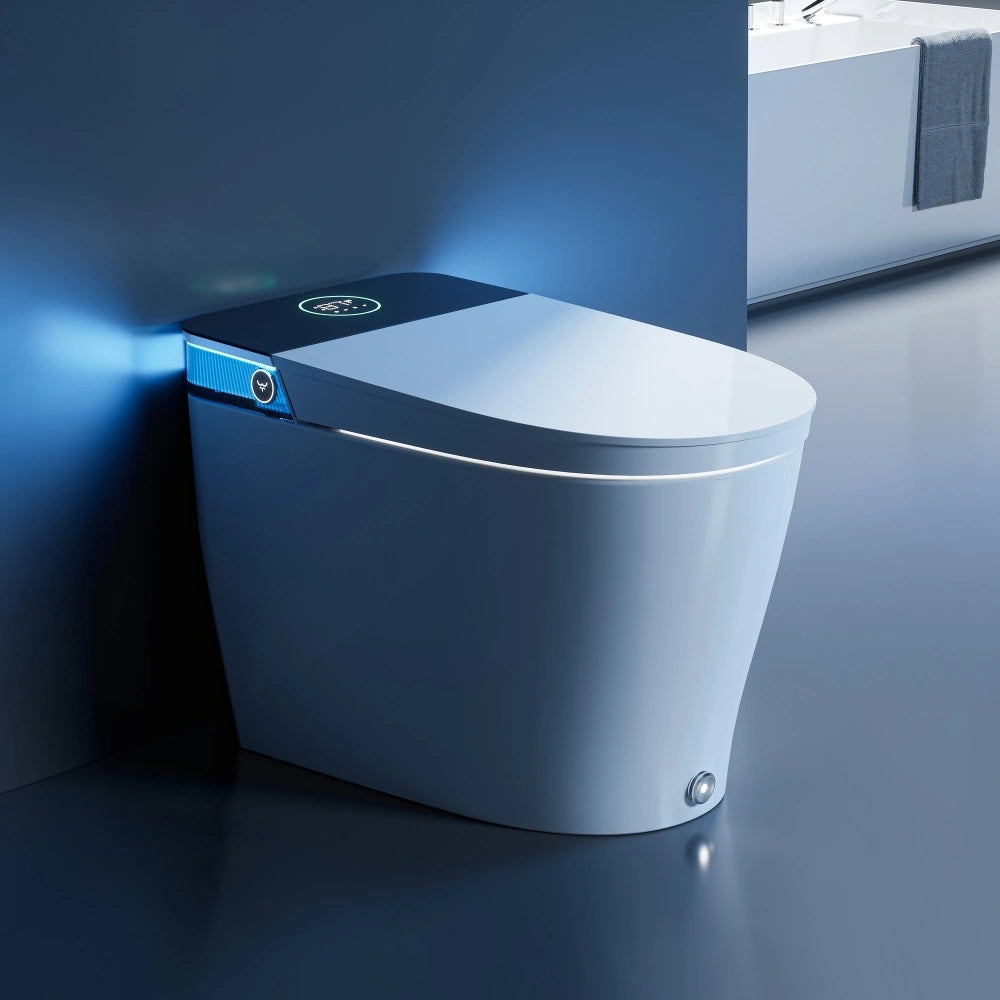
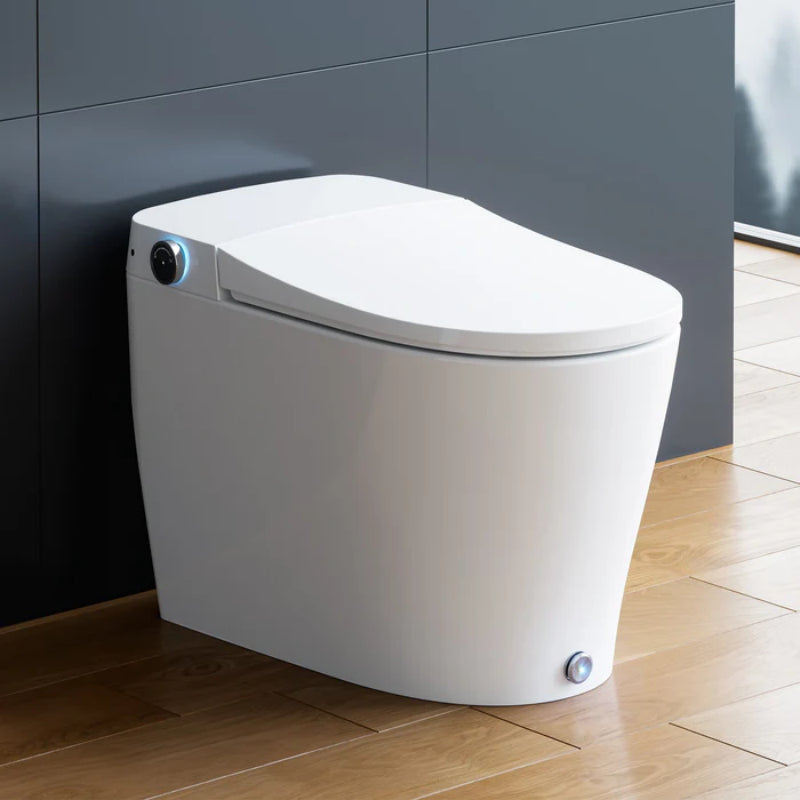
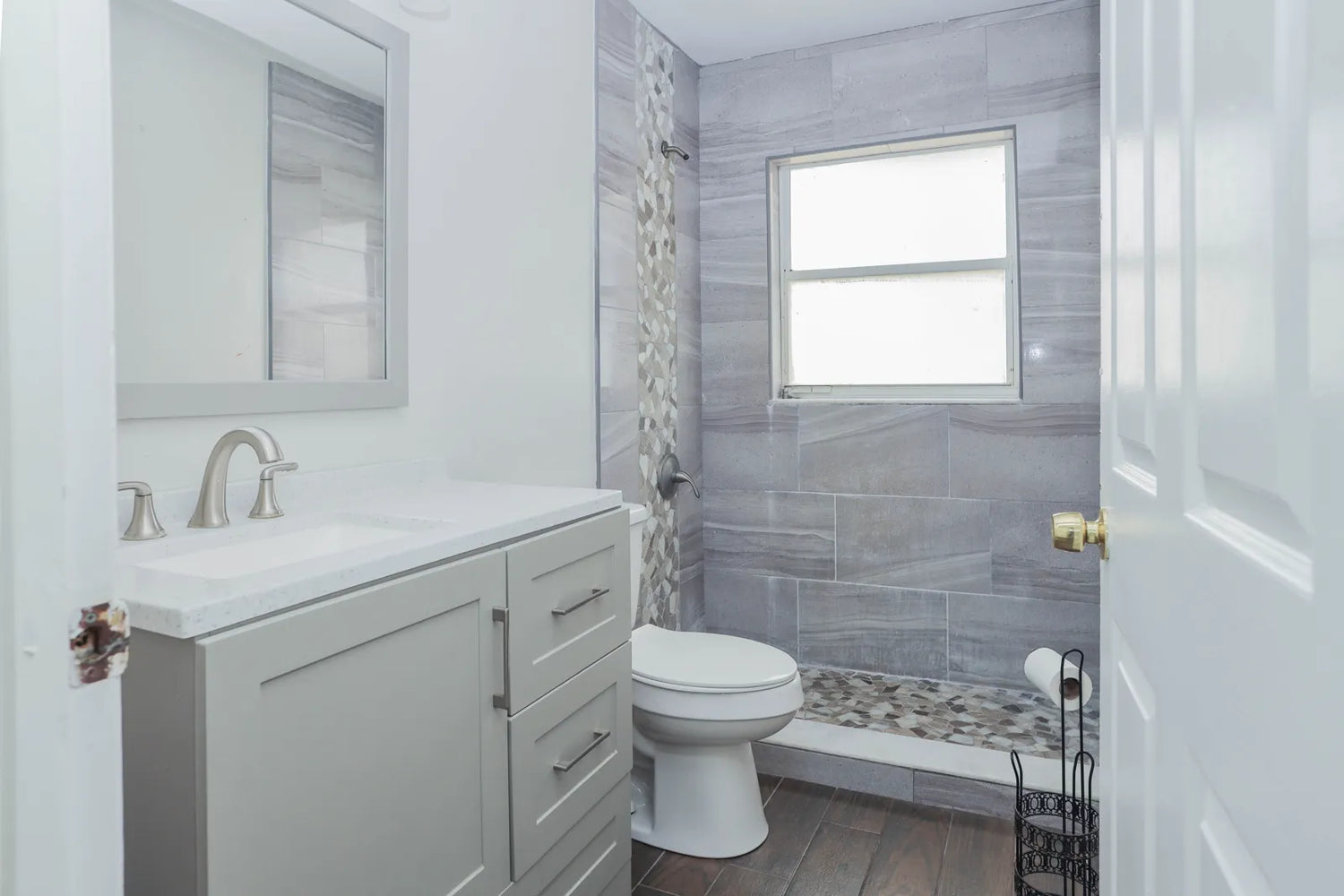
Planning a DIY smart toilet installation and bidet setup? Follow these simple plumb, floor, flange, and electrical checks plus easy diy bathroom remodel tips for beginners to install safely, boost comfort and hygiene, enhance your bathroom, avoid common mistakes, and skip expensive plumber calls.
Quick Answer
DIY smart toilet installation works only if your bathroom already has the right rough-in, a solid and level floor, a healthy flange, and a nearby GFCI outlet that the toilet can plug into without an extension cord. It does not work well when you are trying to force a fit around a 10-inch rough-in, a bad drain flange, no power source, low water pressure, or a cramped layout. In many homes, the toilet itself is not the hard part—the hidden work around power, floor condition, and drain fit is what turns a “simple install” into a leak, wobble, or extra contractor bill.
A lot of people searching how to install a smart toilet yourself are really asking a different question: Can my bathroom accept one without creating new problems? That is the right question.
Smart toilets are not hard in the same way tile work or drain relocation is hard. The problem is that they are less forgiving than a standard toilet. They want the drain in the right place, the floor flat enough to support a sealed base, the shutoff valve in a usable spot, and the electrical setup to be safe and stable.
If any one of those is off, the install may still “finish,” but you can end up with rocking, weak flushing, nuisance GFCI trips, leaking fittings, or a toilet that loses most of its smart toilet functions the first time power cuts out. Always check every detail to ensure the smart system runs smoothly for long-term worry-free use. Professional plumbing and installation experts also emphasize pre-inspection standards for smart toilet hardware matching and hidden construction risks [1].
This smart toilet installation guide for beginners is built around real go/no-go checks. Not hype. Not feature talk. Just whether it will work in your home, where DIY fails, and when a simpler option makes more sense.
Decision Snapshot: Will DIY Work Here?
Perfect your pre-install audit first to avoid DIY delays, leaks, and costly redo work. Use these clear yes-or-no rules to quickly judge if your space is ready for a smooth, stress-free smart toilet upgrade.

Best fit: level floor, correct rough-in, nearby GFCI
DIY is a reasonable choice when the bathroom is fairly recent, the old toilet comes off cleanly, the flange is not damaged, the floor under the toilet is flat, and there is a properly located GFCI outlet nearby. If you also have normal water pressure and enough room to lift and position a heavy one-piece unit, the project is very doable.
This is the setup where how to replace a standard toilet with smart bidet and installing a bidet toilet yourself is straightforward, following a simple step-by-step guide that only needs a basic plumbing swap plus a safe power connection.
Avoid it: no outlet, bad flange, weak drainage
This becomes a bad DIY project when there is no outlet nearby, the drain flange is cracked or sits too low, the floor rocks under the old toilet, or the bathroom already has slow flushing or venting issues. A smart toilet can expose those problems fast.
If your current toilet sometimes gurgles, drains slowly, or needs repeat flushes, do not assume the new toilet will fix it. It may make the problem more obvious.
Reconsider if layout, weight, or wiring are tight
Many smart toilets are bulky, heavy, and awkward to set accurately during bathroom renovation. One of the most common smart toilet setup mistakes is skipping space checks; confirm you have enough space to move, lift, and align the unit. If the room is narrow, the side wall is close, or the shutoff valve sits exactly where the toilet body wants to land, the install gets frustrating fast.If you need new wiring, the toilet may be the cheap part of the job.
Decision line: If you need to add power, repair the flange, and shim the floor, this is no longer a simple DIY toilet swap.
Who DIY Smart Toilets Suit — And Who Should Pass
Not every bathroom and homeowner is cut out for DIY smart toilet installation. Check these simple eligibility cues to see if you qualify, or if you should skip full toilet replacement entirely.
Good candidate: recent bath, standard plumbing, open access
You are a good DIY candidate if your bathroom was built or remodeled fairly recently and uses standard floor-mounted toilet plumbing. That usually means a common rough-in, a shutoff valve that still works, a flange that is not rusted out, and finished surfaces that are fairly flat.
You also need enough working room. Smart toilets are usually heavier than a standard toilet because of the integrated electronics, wash system, and housing. In real installs, that means one person can remove the old toilet alone, but setting the new one often goes better with two people.
Poor candidate: old flange, uneven floor, hidden damage
Older bathrooms are where trouble starts. Once the old toilet is removed, you may find a corroded flange, broken closet bolts, soft subfloor, uneven tile build-up, or old wax residue hiding how badly the toilet was seated before. A standard toilet will sometimes tolerate a little ugliness here. A smart toilet often will not.
If the old toilet already rocked slightly and someone “solved” it with caulk around the base, take that as a warning sign. The floor or flange may already be compromised.
Will this work in a small bathroom?
Sometimes yes, but this is where people buy the wrong unit. Small bathrooms fail on side clearance, front clearance, and wall interference. The bowl may fit the footprint on paper but still leave no room to sit comfortably, access controls, or service the water connection.
If the toilet body is skirted and close to the wall, a shutoff valve behind or tight to the side can block full seating. That means the toilet never sits all the way down, even though the drain lines up.
Simpler bidet seat may solve the real need
A lot of homeowners do not actually need a fully smart toilet. If your main goal is washing, heated seat use, or basic comfort, a bidet seat on a standard toilet is often the easier answer. It avoids many of the biggest risks in diy smart toilet installation because the drain seal, bowl placement, and toilet body stay in place.
If your bathroom lacks a good outlet, has an old flange, or has a rough-in that limits toilet choice, a seat add-on may be the smarter move.
Decision line: If your current toilet works well and you mostly want bidet features, replacing the whole toilet may be unnecessary.
What Extra Work and Cost Shows Up Fast
Many DIY homeowners overlook hidden labor, extra parts and unexpected expenses that come with smart toilet installation. Read on to learn the common hidden work and surprise costs you’ll likely face right away.
Outlet addition can cost more than expected
When people ask about official smart toilet electrical requirements us standards for safe bathroom use, they often assume any nearby outlet will do.
The biggest hidden cost is often electrical work. That is not a safe assumption. Most smart toilets need a properly grounded GFCI-protected outlet in a practical location, and some homes need a new receptacle added.
If the bathroom has no nearby outlet, the fix may involve fishing wire through finished walls, opening drywall, adding circuit protection, or even running a new circuit if the existing one is overloaded. That can cost more than expected and can turn a one-day install into a coordinated plumbing-and-electrical project.

Shutoff, supply, and adapters add hidden parts
Included parts are often not enough for your exact setup. Many installs need a new shutoff valve, a different supply hose length, thread adapters, sealing tape, replacement bolts, or a flange repair ring. If the toilet includes a filter screen, that adds one more connection point that can leak if rushed.
This is where tools needed for toilet replacement and all right tools every DIY installer needs often expand beyond a simple wrench and screwdriver. You may need:
-
adjustable wrench
-
deep socket or closet bolt tool
-
putty knife
-
shop vacuum or sponge
-
level
-
shims
-
towels
-
bucket
-
supply line
-
braided stainless option
-
PVC flexible option
-
-
flange repair parts
-
non-corrosive cleaner for mating surfaces
Two-person lifting may be required
Smart toilets are not just heavier; they are bulkier in the wrong places. Their shape makes them awkward to lower straight onto the seal or mounting points. If you twist while lowering, you can misalign the base or damage the seal before you even realize it.
A lot of failed installs start with trying to handle the whole unit alone.
Remodel installs are easier before finishing surfaces
If you are planning how to install a smart toilet in a bathroom remodel, this is one of the best times to do it. Before final wall and floor finishes are complete, it is much easier to place the outlet correctly, correct flange height, move the valve if needed, and verify rough-in dimensions.
Trying to force a smart toilet into an already finished bathroom is where compromise starts.
Will It Fit the Drain, Floor, and Wall?
This is the most important part of how to check smart toilet compatibility before installing.

Fit summary
Before buying, confirm all of these:
Rough-in matches the toilet specification
Flange height & condition decision guide: A toilet flange is defined as “too low” if it sits more than 1/4 inch below the finished bathroom floor surface. Homeowners can inspect easily after removing the old toilet by laying a straightedge across the finished floor and checking the gap to the flange top. If the flange is slightly low (under 1/4 inch), use a flange repair ring or extender to raise it to floor level. If cracked, severely offset, more than 1/4 inch too low, or loose in the subfloor — escalate immediately and call a professional plumber instead of attempting DIY fixes.
Flange is not cracked, offset badly, or too low
Floor is flat where the base sits
Side and rear wall clearances meet the product drawing
Shutoff valve will not interfere with the body
Outlet is reachable without an extension cord
Toilet can be brought into the room and turned into place
If one of these is wrong, the install may fail even if the bowl technically reaches the drain.
Measure rough-in before buying anything
Measure rough-in before buying anything
Smart toilet rough-in requirements before detailed installation matter more than many buyers expect. Always match the drain outlet position to a standard 12-inch rough-in size first. Strict rough-in fit gate guidelines:Measure strictly from the finished bare wall (excluding baseboards, trim, and molding) directly to the exact center of the toilet floor bolts or drain pipe opening. Treat rough-in size as a binary pass/fail compatibility check with no “close enough” allowance. Explicit decision trigger: do not purchase or commit to any smart toilet unless its official spec sheet exactly matches your measured rough-in dimension.
Measure from the finished wall, not the baseboard, to the center of the floor bolts or drain opening. In most homes, this will be 12 inches. But do not assume.
Many people buy first and measure later because the old toilet looked “standard.” That is a common mistake.
What happens with a 10-inch rough-in?
The 10-inch vs 12-inch rough-in for smart toilet installation question matters because many smart toilets are designed around a 12-inch rough-in. With a 10-inch rough-in, the rear body may hit the wall, the mounting bracket may not align correctly, or the toilet may sit too far forward in a way that affects clearances.
Some toilets are designed for multiple rough-ins, but you must verify that in the specifications. Do not count on “close enough.”
Decision line: If your bathroom has a 10-inch rough-in and the toilet is built for 12 inches only, it will not work cleanly.
Wall clearance can block full seating
Even when rough-in is technically correct, rear housing, lid movement, or side control placement can hit the wall or vanity. This is common in small bathrooms. You need clearance not just to place the bowl, but to sit, open the lid fully, and access service points.
A toilet that installs with only a tiny gap behind it may leave no room for the plug, hose, or shutoff access later.
Uneven floors cause rocking and seal failure
This is where many common diy smart toilet installation mistakes to avoid begin. If the floor rocks, tilts, or has uneven tile under the base, the toilet may not sit evenly. That rocking can compress the seal unevenly and eventually cause odors, leaks, or subfloor damage.
A slight floor issue that a standard toilet tolerated for years can become a real problem with a smart toilet’s tighter base design.
Floor Flatness & Rocking Pass/Fail Criteria: Place a level or straightedge directly on the bare floor area where the toilet base will sit, checking front-to-back and side-to-side across the full footprint. Pass condition: no visible gap under the straightedge, zero noticeable wobble. Minor gaps under 1/8 inch are acceptable for thin shimming only. Fail/repair trigger: gaps larger than 1/8 inch, persistent rocking, or soft spongy subfloor — shimming is not enough; you must repair or level the floor before DIY installation. Never install a smart toilet on a floor that still rocks after basic shimming.
Use a level on the floor itself after removing the old toilet. Check front-to-back and side-to-side. Also dry-fit the toilet if possible before final sealing. If it rocks now, it will not improve after tightening.
Can Your Plumbing Support a Smart Toilet?
Before starting your DIY install, it’s critical to check whether your existing home plumbing can fully support a smart toilet’s special water and drain needs. These key plumbing factors often make or break a smooth installation.
Supply valve location can fight the install
Smart toilet water supply requirements for installation are not just about having water. They are about where the shutoff valve sits and how the hose routes. If the valve sticks out exactly where the skirted toilet body wants to sit, the base may not fully seat. If the hose bends too sharply, flow can be reduced or the line can kink.
Some bathrooms have the shutoff low and tight behind the bowl. That works on a standard toilet with a visible tank connection. It can be awkward or impossible on a smart toilet with enclosed sides, risking poor water flow, damaged pipe threads, and loose compression connections if forced into place.
Low pressure weakens wash and flush performance
If your house has low water pressure, the wash and flush functions may perform poorly. Homeowners often blame the new toilet, but the real issue is the supply. If the unit also includes a filter or screen, debris can cut flow even further right after installation.
If your sinks and shower already show weak pressure, check that before buying. A smart toilet may still operate, but not well.
Debris in lines can clog filters quickly
When old supply lines are disturbed, debris can break loose. Rust, mineral scale, or small particles often end up in the toilet’s inlet filter or screen. Then the bidet spray weakens, the fill slows, or the flush becomes inconsistent.
This is one reason a toilet can seem fine during the first minutes of setup and then start acting up soon after.
Drain or vent issues appear after replacement
If the old toilet masks a borderline drain or vent issue, the new one may expose it. Poor siphon action, slow evacuation, bubbling, or repeat flushes can point to a downstream clog, venting problem, or flange alignment issue rather than a defective toilet.
This is a common trap in how to install a smart bidet toilet without a plumber articles. The toilet gets blamed for house plumbing conditions it did not create.
Decision line: If your current toilet already drains poorly, solve that first. Do not install an unknown drain problem.
Can Your Electrical Setup Support It Safely?
Your smart toilet relies on safe, code-compliant electrical power to run all its smart features. Review these essential electrical rules to confirm your bathroom setup is safe and ready for DIY installation.
GFCI outlet is usually the minimum requirement
For most installations, a properly grounded GFCI outlet is the starting point. That is the practical minimum for bathroom use in the US. Concrete outlet placement and reach specs: Acceptable locations include side wall within the toilet’s cord radius or adjacent vanity wall with unblocked access. Unsafe locations: directly behind the toilet base, concealed behind skirted housing, or blocked by tank, cabinetry, and plumbing lines. Maintain standard bathroom outlet height with clear front clearance for plug insertion and future service. Use a binary reach check: the factory original power cord must plug in fully and lay slack without stretching, bending sharply, or being routed under the toilet base. If the cord cannot reach naturally without strain or re-routing, the outlet fails the DIY install requirement entirely. The outlet must be placed where the cord reaches naturally and where the plug is not under stress or exposed to likely splashing.
This answers part of do you need a dedicated outlet for a smart toilet: not always a dedicated receptacle by itself, but you do need a safe, code-appropriate, reliable power source.
Dedicated circuit prevents nuisance shutdowns
A dedicated circuit is not always mandatory, but it often helps. Smart toilets may include seat heat, water heating, drying, sensors, and automatic functions. On a heavily shared bathroom circuit, nuisance trips become more likely. That means the toilet may lose heated or wash functions, and on some models even flushing can be affected when power is lost.
That is a bigger problem than with a basic toilet. A standard toilet still flushes in a power outage. Some smart units do not behave the same way.
Extension cords and loose plugs are failure points
Do not use an extension cord. Do not rely on a plug that barely reaches. Do not let the cord run where it can be bumped loose behind the toilet.
In real homes, “temporary” power solutions become permanent until the first outage, cleanup, or accidental kick unplugs the unit. Then the owner thinks the toilet failed when the real problem is the power setup.
Do you need a dedicated outlet?
If the bathroom already has a stable GFCI outlet on a lightly loaded circuit, DIY may be fine. If the outlet is shared with heaters, hair tools, or other high-draw devices, nuisance trips are more likely. If there is no outlet in practical reach, call an electrician before buying or at least before opening the box.
Decision line: If your only power option requires an extension cord, the install does not work safely.
What DIY Steps Fail Most Often?
Even experienced DIYers make avoidable mistakes during smart toilet installation. These are the most common missteps that lead to leaks, wobbling, and costly redo work.
Water must be fully shut off first
This sounds obvious, but partial shutoff is common. Old valves often do not close fully. Then the supply line comes off and water keeps feeding into the work area. Before removal, test the shutoff fully. Flush the old toilet. Sponge out the tank and bowl if needed. If water keeps creeping in, your valve may need replacement before you can continue.
Overtightened fittings can leak later
People trying to prevent leaks often create them. Overtightened plastic fittings, adapters, and supply connections can crack, cross-thread, or deform seals. The connection may look fine at first and then start weeping after 10 to 20 minutes of pressure.
This is exactly the kind of delayed issue people miss when they install fast and walk away.
Misaligned base can crush the seal
When learning how to install a smart toilet yourself, this is where many DIYers lose the job. The base must come down correctly aligned. If it goes down crooked and gets forced into place, the seal can deform, the toilet can rock, or the flange connection can be compromised.
Do a dry fit if the design allows. Check alignment before final tightening. Tightening does not fix bad seating.

Leak checks need more than one flush
A single flush is not enough. You need to run several flushes, allow the unit to fill and sit, use the bidet functions if applicable, and inspect again after some time has passed. Wipe all connections dry first so you can spot fresh moisture.
A proper leak check means:
-
inspect supply connections immediately
-
inspect after multiple cycles
-
inspect again after 20 to 30 minutes
-
inspect again later the same day
-
inspect around the base after first use periods
This is the core of how to prevent leaks when installing a smart toilet. Most damaging leaks are not dramatic. They are slow.
What Breaks Later and When to Call a Pro
Many smart toilet issues don’t show up right away after installation. Learn which problems develop later, what failures you can’t fix yourself, and exactly when it’s time to call a professional.
Delayed leaks can appear after 24 hours
A toilet that seems fine on install day can still leak later. Supply fittings may seep once pressure and temperature cycles repeat. A base seal may show failure only after the toilet shifts slightly under use. If you smell sewer gas, feel rocking, or see moisture around the base, stop using it until the cause is clear.
Power loss can disable core functions
One downside people miss when they ask what to consider before upgrading to a smart toilet is dependency on stable power. A tripped GFCI, loose plug, or outage can remove key functions. In some models, you are left with a very expensive fixture that is far less usable than your old toilet until power returns.
Sensors and boards are not DIY-friendly repairs
Basic installation is one thing. Diagnosing a failed sensor, control board, heating issue, or persistent error code is another. Those are usually not friendly DIY repairs. If the toilet powers on but acts strangely after confirming water and electrical conditions, that is often where homeowner repair ends.
When should a plumber or electrician take over?
Call a plumber when:
-
the flange is cracked, offset, too low, or loose
-
The toilet rocks on a floor that is not flat
-
the shutoff valve leaks or will not close
-
drainage is slow, bubbling, or backing up
-
repeated resets do not fix poor flushing caused by plumbing conditions
Call an electrician when:
-
There is no nearby GFCI outlet
-
Existing outlet trips often
-
The cord will not reach safely
-
The bathroom wiring is old or questionable
-
You are unsure whether the circuit can handle the load
For smart toilet installation troubleshooting after setup, the dividing line is simple: if the issue involves hidden water, drain fit, flange condition, or electrical safety, stop DIY.
Pre-install checks before buying
If you only do one thing before ordering, do this full check.
First, measure the rough-in from the finished wall to the center of the closet bolts. Then measure side clearance to nearby walls or cabinets and front clearance in the room. Next, inspect where the shutoff valve exits the wall or floor and think about whether a bulky skirted body will cover it.
After that, check for power. Is there a GFCI outlet close enough for the factory cord to reach naturally? Not “almost.” Not with a cord draped around the baseboard. Close enough.
Then remove the old toilet only if you are ready to continue the same day or have a backup plan. Once removed, inspect the flange closely. It should be secure, not cracked, and at an appropriate height relative to the finished floor. Check the floor for soft spots, old water damage, and level. If the old toilet had been shimmed badly or heavily caulked, assume there may be a floor issue until proven otherwise.
Finally, test your water conditions. Make sure the shutoff valve actually shuts off. If house pressure is weak, note that now. If fixtures in the bathroom already show poor flow or the toilet flushes slowly, solve that before upgrading.
Installation difficulty in plain terms
Many homeowners ask, 'Can I install a smart toilet myself?'' Yes, if your bathroom is already prepared for it. In a straightforward replacement with the right rough-in, healthy flange, nearby GFCI, and no plumbing surprises, the project is manageable for a careful DIYer.
How long does a toilet installation take? A simple swap may take a few hours, especially for a first-timer. But if you discover a bad valve, damaged flange, uneven floor, missing outlet, or fit issue, the project expands quickly.
That is why some integrated units are popular with DIY buyers: they promise easier setup. But “easier” only applies when the room already meets the requirements. The toilet cannot solve a bad floor, wrong rough-in, weak circuit, or bad drain.
Before You Buy checklist
-
Measure the rough-in from finished wall to bolt center
-
Confirm the toilet supports that rough-in exactly
-
Check side, rear, and front clearances
-
Confirm your shutoff valve location will not block the body
-
Make sure a GFCI outlet is within safe cord reach
-
Do not plan on using an extension cord
-
Inspect for signs of toilet rocking, soft floor, or old leaks
-
Be ready to replace the supply line and possibly the shutoff
-
Expect a two-person lift for many one-piece units
-
Do not buy a full smart toilet if a bidet seat would solve your real need
-
If your house has weak drainage or low pressure, fix that first
-
If the flange or floor is questionable, budget for a plumber before installation day
FAQs
1. Can I install a smart toilet myself?
Yes, but only if rough-in, floor level, flange condition, water supply, and GFCI power are already right.You can absolutely tackle this project on your own if your bathroom meets all the basic pre-install conditions.Most DIY failures come from hidden bathroom issues rather than the actual toilet hookup work itself.Small problems like uneven floors or a low flange will quickly ruin your smart toilet installation.Take time to do all pre-checks first, and you’ll save yourself leaks and costly repair bills later.Skip the upfront inspections, and you’ll likely run into annoying setup issues down the line.
2. Do I need an electrician for a smart toilet?
You do if there is no suitable GFCI outlet nearby, if the circuit trips often, or if the only way to power the toilet is with an extension cord.Never cut corners on electrical setup just to save a little time or money on your install.Using extension cords as a permanent fix is unsafe and will trigger constant GFCI trips over time.If your bathroom wiring is old or the outlet can’t reach naturally, hire a licensed electrician right away.Professional wiring ensures stable power for all heated, washing and sensor smart toilet functions.Safe electrical setup is never optional, especially for water-connected bathroom fixtures.
3. Do you need a dedicated outlet for a smart toilet?
Not always a dedicated receptacle by itself, but you do need a reliable, code-appropriate power source.You don’t have to run a brand-new separate outlet in every single bathroom situation.What you do need is a steady GFCI outlet that won’t overload or randomly cut out mid-use.A dedicated circuit is absolutely worth the investment if your bathroom circuit runs many high-power devices.It prevents nuisance power trips that shut down heating, bidet spray and automatic flush features.Stable clean power keeps your smart toilet running smoothly without unexpected downtime.
4. What are the plumbing requirements for smart toilets?
You need a compatible rough-in, a sound flange, a stable floor, a usable shutoff valve location, and decent water pressure.Smart toilets are far less forgiving than standard toilets when it comes to home plumbing flaws.If your current toilet drains slowly, gurgles or needs multiple flushes, fix those issues first.Wobbly floors, damaged flanges and awkward shutoff valve placement will ruin your whole setup.Low water pressure will weaken bidet washing power and slow down the toilet’s flush performance.Always resolve existing plumbing problems before swapping in your new smart bidet toilet.
5. When should I call a plumber for smart toilet installation?
Call when you find a bad flange, floor unevenness, valve problems, repeated leaks, or signs of drain and vent issues.Any visible damage to the flange, uneven flooring or leaky valves means DIY is no longer a good idea.Persistent base rocking or sewer odors after installation are clear red flags to stop and get help.Drain bubbling, slow flushing and backing up all point to hidden vent or pipe issues needing a pro.Don’t keep using the toilet if it wobbles or smells, or you risk subfloor damage and worse leaks.A plumber can fix underlying issues properly so your smart toilet installs and works flawlessly.


Leave a comment
This site is protected by hCaptcha and the hCaptcha Privacy Policy and Terms of Service apply.