
A compact bathroom layout with tub can work well, but only when the room’s fixed limits line up: door swing, drain location, venting, and the few “standing zones” you need to use the sink and toilet and bathtub without bumping into everything.
Where people get burned is not the idea of a tub inside a small bathroom. It’s picking a bathtub style (often freestanding) or a floor plan idea that fits on paper but fails in real life: you can’t clean behind it, the door hits it, the toilet feels pinned in, or the plumber has to move a drain that was never cheap to move.
Below is an execution/spec guide to help you decide if a compact bathroom layout with tub will actually work in your bathroom in your house—and what becomes annoying or expensive when it doesn’t.
Decision Snapshot: when a compact bathroom layout with tub works (and when it doesn’t)
Rule of thumb: choose an alcove tub/tub-shower combo for tight rooms; reserve freestanding tubs only for layouts that can spare full cleaning clearance.
If you want a bathtub and you’re tight on space in a small bathroom, an alcove tub or tub-shower combo is almost always the “least regret” default option. Freestanding tubs can look airy, but in compact rooms they often create a cleaning and access tax you pay every day. Only choose freestanding if you can meet strict clearance and cleaning access conditions.
Retrofit-First Decision Branch: Drain & Vent Location
Start here before any bathroom design choice:
-
If drain/vent can stay put Highest viability: alcove tubs, tub-shower combos, end-wall alcove installs Minimal plumbing risk, works with most 5×8 / 6×8 compact footprints.
-
If drain/vent must move Only viable for: simple in-line shifts (same wall, same joist bay) Avoid: cross-joist moves, slab shifts, or relocating to a new wall — these become major plumbing projects and often rule out freestanding tubs entirely.
Works best when you have 40–50 sq ft (5×8 / 6×8) and can keep a clear travel path to vanity + toilet
This layout tends to work when:
-
You have a true full-bath footprint (common 5x8, 6x8, or similar) with mostly square walls.
-
The tub can sit on one long wall (alcove) or on the back wall (end wall) without blocking the “standing zone” at the vanity.
-
You can keep the toilet with code-like clearances and still have a clear path from the door to the sink.
Reconsider if the room is under ~7×5 ft, has out-of-square/irregular walls, or you can’t maintain required clearances
This becomes hard fast when:
-
The room is narrower than expected (old plaster, furring, a bumped-out chase, chimney, or linen chase).
-
Walls are out of square, so your “60-inch tub” fits at one end and jams at the other.
-
The door and toilet clearances force you into awkward fixture spacing.
Avoid if plumbing points are effectively “locked,” door swing conflicts exist, or the tub can’t physically be brought into the home
A compact bathroom remodel fails early when:
-
The main drain/vent stack is in a wall you can’t open or can’t re-route (structure, beams, finished rooms below).
-
The door swing lands in the only usable floor space and you can’t change it.
-
The tub (especially heavy or bulky) cannot make it through halls, turns, or stairs.
Rule of thumb: choose an alcove tub/tub-shower combo for tight rooms; reserve freestanding tubs for layouts that can spare cleaning clearance
If you want the tub and you’re tight on space, an alcove tub or tub-shower combo is usually the “least regret” option. Freestanding tubs can look airy, but in compact rooms they often create a cleaning and access tax you pay every week.
Who this layout is for / not for (based on your home’s fixed conditions)
Not ideal for:
-
A minimalist small master bath if you need open floor space for getting ready (tub can consume the “stand zone”)
-
Rooms with sloped ceilings or limited headroom directly beside the tub — creates hard clearance constraints, unsafe access, and often makes even the smallest bathroom feel unworkable.
Good fit: full-bath needs in a small footprint (kids, resale constraints, “must-have tub” households)
A compact bathroom layout with tub is a good match when:
-
This is the home’s only full bath, or the most used bath.
-
Kids need a tub, pets get washed in a tub, or you know buyers in your area expect at least one tub.
-
You need a straightforward build that most contractors can execute without custom glass, custom pans, or complex waterproofing.
In real installs, the homes that do best are the ones that accept the bathroom for what it is: a small footprint that must work every day, not a spa plan squeezed into a closet.
Bad fit: mobility/accessibility needs where tub entry height becomes a daily strain
If anyone using the bath has balance issues, knee/hip pain, or needs assistive devices, a tub can go from “nice” to “daily problem.” Tub entry height is not a small detail. It changes:
-
Fall risk
-
How long bathing takes
-
Whether the bathroom is usable without help
If accessibility is a need (now or soon), many households are happier with a properly planned shower and a bathroom that has real space to move.
Not ideal for a minimalist small master bath if you need open floor space for getting ready (tub can consume the “stand zone”)
A minimalist small master bath sounds like it should work with a tub, but the tub steals the exact space people use to:
-
Dry off
-
Stand at vanity
-
Open drawers
-
Share the sink area
The room can look clean in photos and still feel cramped every morning. In practice, clutter shows up when storage gets squeezed, and clutter makes a small bathroom feel smaller.
Narrow master bathroom plans: when the long, tight corridor forces awkward toilet/tub adjacency and no passing clearance
Narrow bathroom plans often become a “hallway with fixtures.” That’s where a modern tub and toilet layout can feel wrong even if it meets minimum dimensions. The common failure patterns:
-
The toilet ends up visually aligned with the tub (awkward and exposed).
-
You can’t pass someone at the sink.
-
Drawer and door conflicts become constant.
If your bathroom is long and narrow, treat “passing space” as a requirement, not a luxury.
The trade-offs you’re accepting (space, privacy, and daily flow)
Before you commit to any tub placement, it’s important to understand the real-world trade-offs you’ll live with every day—especially around space, privacy, and how you actually move through the room.
Modern tub and toilet layout reality: exposure/awkwardness when the bather’s head/feet align with toilet or doorway
On many ideas for small bathrooms floor plans, the tub is placed where it fits, not where it feels right. What tends to bother people later:
-
Tub bather’s head is near the toilet, so you’re staring at it.
-
The tub is visible from the door line, so the room feels less private.
-
The toilet feels like it’s “in the path” to the tub.
This isn’t about style. It’s about daily comfort. If you have only one bathroom, small annoyances repeat fast.
Execution tip: Stand in the room (or tape it out) and simulate the sightlines. Sit position at the toilet, stand at the vanity, and “step into” the tub zone. If it feels awkward dry, it won’t feel better wet.
Tub vs walk-in shower: where the “best of both worlds” tub-shower combo creates the least traffic disruption
In compact bathrooms, the tub-shower combo often wins on pure functionality because:
-
It keeps water in one controlled zone.
-
It uses an alcove, so you don’t need cleaning clearance around all sides.
-
It leaves more valuable floor space for the toilet and sink approach.
A walk-in shower can be great too, but in small rooms it can require:
-
Custom glass (cost)
-
Precise slope and waterproofing (risk)
-
A layout that still leaves a dry standing zone
If your main goal is “works every day, no drama,” the tub-shower combo is hard to beat in a compact plan.

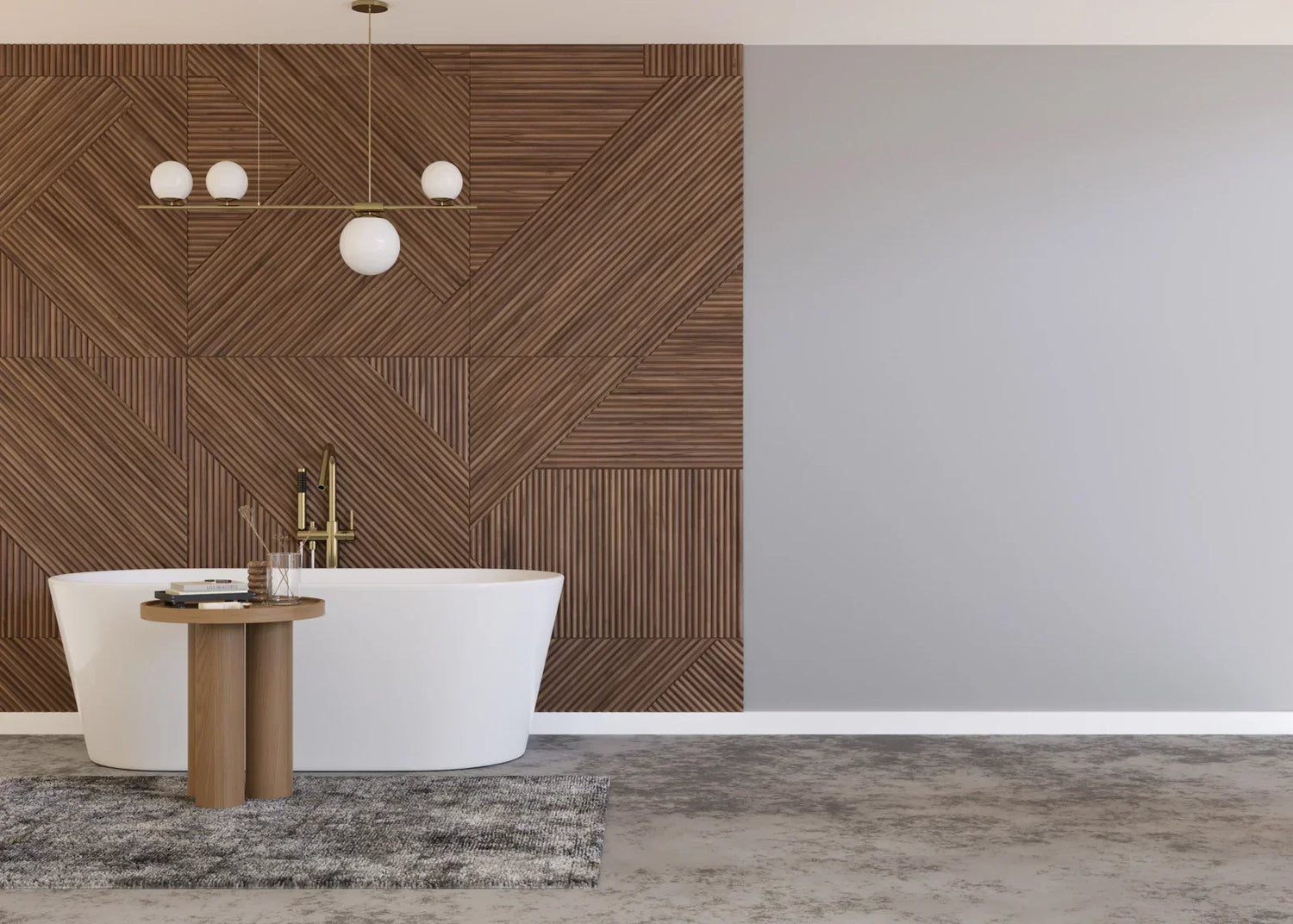
Freestanding vs built-in/alcove: the hidden cost of “visual airiness” in rooms where every inch matters
Freestanding tubs sell a “light, airy” look. In a compact bathroom, here’s what you actually buy:
-
A tub that needs cleaning access around it (or you live with grime zones)
-
Less usable wall space for niches, shelves, towel bars, and grab points
-
More complicated faucet/drain planning (especially if floor-mounted)
A built-in (alcove) tub is not glamorous, but it is forgiving. It also gives you tile edges and waterproofing details that are easier to get right.
Storage trade: tub footprint often removes the only viable vanity depth, forcing clutter that makes a small bathroom feel smaller
A compact bathroom doesn’t fail only by inches. It fails by where storage goes.
-
If the tub forces shallow vanity, you lose drawers.
-
If you switch to a pedestal or tiny sink, stuff moves to countertops.
-
Countertop clutter is what makes a small bathroom feel smaller, even if the “floor plan” is fine.
If you want the room to feel bigger, you need a plan for daily items: toiletries, towels, cleaning supplies, hair tools. Layout and storage are tied together in a small space.
Cost and retrofit constraints that decide viability (before you pick a floor plan)
Before you finalize any layout, you first need to understand the big difference between renovating an existing space and building from scratch—this will shape every choice you make.
Retrofit vs New Construction: Plumbing & Wet-Room Flexibility
New construction allows full freedom for drain, vent, and structural layout.
Retrofits are heavily constrained: existing joists, slab vs framed floor, finished ceilings below, and fixed vent stacks limit which tub layouts are realistic. Wet-room systems that work in new builds are often overkill or structurally unfeasible in retrofits. With smart planning, you can avoid costly surprises and design a layout that meets your needs in bathroom in your house.
What if my drain/vent is in the wrong spot? (when relocation turns a layout idea into a major plumbing project)
Before committing to any tub relocation plan:
Confirm the joist direction and whether you have a slab floor or framed floor.
Drain moves across joists are often structurally risky or require major framing; slab drain relocation means cutting concrete and is almost always a high-cost project.
This is one of the biggest budget split points for a common bathroom under 100 square feet.
If your tub drain is close to where it needs to be, a remodel can stay “contained.” If you move the tub to a different wall, costs can jump because:
-
Drain lines need slope and space in the floor framing.
-
Venting may need to be reworked to avoid slow drains or gurgling.
-
You might open ceilings below or rebuild a soffit/chase.
What tends to happen: homeowners pick a layout they love, then the plumber explains the drain can’t cross joists (or would weaken them), so the plan gets compromised late—after fixtures are purchased.
If you’re on a slab, relocating drains is often even more disruptive (cutting concrete, patching, then rebuilding floors).
Waterproofing scope: why “wet room solves it” can be overkill or unrealistic in retrofits without a properly sloped floor
Add this go/no-go checklist item:
-
Floor build-up impacts: verify that adding slope, waterproofing, and tile will not reduce door clearance below usable height and will not raise the floor enough to disrupt toilet flange height. These are hard go/no-go constraints for retrofits.
People hear “wet room” and assume it’s an easy fix for small bathrooms. In real retrofits, a true wet room typically means:
-
Full-floor waterproofing system
-
Correct slopes to the drain
-
Careful transitions at the door and walls
If you don’t have room to build up the floor (or can’t change door height, toilet flange height, or transitions), it can become a chain reaction. In a compact bathroom, small height changes matter because everything is close, and you want to make the room feel open while maintaining a clean and functional space.
Ventilation limits in compact bathrooms: when tub use increases moisture load beyond what the existing fan/duct can handle
Before you finalize a tub or tub-shower plan:
Verify existing fan capacity and duct termination performance.
Inadequate ventilation leads to chronic moisture, mold, and peeling surfaces — especially in tight bathrooms where tub use adds heavy moisture load. Proper airflow also lets light pass more freely, helping a small bathroom feel larger.
Tubs (especially tub-shower combos) add moisture. Compact bathrooms often have:
-
Undersized fans
-
Long duct runs
-
Terminations that don’t vent well
When ventilation is weak, you see:
-
Peeling paint
-
Mold at ceiling corners
-
Musty smells that never fully leave
A layout that “works” but can’t dry out becomes a maintenance problem. If you’re adding a tub or increasing shower use, check the fan capacity and duct route early to use space efficiently.
Wall depth + structure: when wall-mounted fillers, niches, or rerouted lines require framing changes you don’t have room for
Modern designs often include wall-mounted faucets, recessed niches, or in-wall valves. In a compact bathroom, the wall cavity may not cooperate:
-
Plumbing to exterior walls can be risky in cold climates.
-
Existing framing may be 2x4, packed with vent stacks, or notched already.
-
Recessed niches can conflict with pipes, wiring, or structural elements.
This becomes expensive when you discover the conflict after tile is selected and the valve is ordered.
Will the tub and layout actually fit (clearances, tolerances, and human dimensions)
Even the best small bathroom floor plan ideas can fall apart if you ignore real-world measurements and installation tolerances.

Measurement Tolerances: Nominal Size vs Real Opening
Tub “nominal size” is not the same as your actual finished opening.
Always measure at tub height (not shoulder height) in multiple places — both ends and mid-span — to account for out-of-square walls, plaster, backer board, and baseboards. A 60-inch tub may not fit a “60-inch” space in real life.
Fitting a freestanding tub in 5x8 bath: the clearance trap (4–6" minimum vs 8–12" practical for cleaning/access)
Add this pass/fail rule:
If reachable cleaning access is less than 8", this is a high-regret configuration in a compact bathroom.
A minimum 4–6" may fit on paper, but 8–12" is required for real cleaning, maintenance, and leak detection. Without proper clearance, you’ll struggle with maintaining a clean space and lose the spacious feel you want.
Can a 5x8 bathroom have a freestanding tub? Sometimes, yes—but many people underestimate what “clearance” means.
-
Minimum clearance some people accept is 4–6 inches to a wall.
-
Practical clearance is often more like 8–12 inches in at least the areas you must reach to clean and to service plumbing.
If you leave only a few inches:
-
You won’t get your hand/brush behind it well.
-
Dust and hair collect and stay damp.
-
If there’s a small leak at a connection, you may not notice until damage spreads.
Also, a freestanding tub often needs space for the faucet plan (floor-mounted or wall-mounted), and that space tends to steal from the vanity standing zone or toilet clearance.
Reality check for a 5x8: A typical 60-inch room length sounds like it matches a 60-inch tub, but once you account for wall finishes that aren’t perfectly plumb, baseboards, and the fact that tubs are not always exactly their nominal size, you can lose the wiggle room you thought you had.
“It fits on paper” failure: exterior tub size fits, but the interior bathing well is too narrow for real users
This one is common: a tub is listed as 60x30 (or similar), so it “fits.” But the usable interior can be much smaller due to:
-
Thick walls
-
Sloped backs
-
Narrow bottoms
Larger users end up cramped, and the household stops using the tub. If soaking is the point, compare interior basin width and depth, not just the exterior footprint.
A compact tub that looks fine can feel like you’re wedged in place once you sit. Prioritize function over aesthetic to ensure the design meets your needs.
Door swing + approach zones: when the tub steals the only workable standing area in vanity or blocks the toilet zone
Required validation step before purchase:
Use painter’s tape to template the tub footprint, full door swing, and standing zones for the vanity and toilet. Do this before ordering any fixture to avoid blocking, collision, or unusable space.
In a compact bathroom, you don’t just need fixtures to fit. You need approach space:
-
Where do your feet go while you’re at the sink?
-
Can you open vanity drawers without hitting the tub?
-
Can you stand and towel off without straddling the toilet zone?
Door swing conflicts are a classic failure. What tends to happen:
-
The door opens into the room and hits the tub or toilet.
-
People reverse the swing or switch to a different door type late.
-
The change triggers patching, trim work, light switch relocation, or code issues.
If you can’t change the door swing, your small bathroom plan shrinks fast. Smart planning here ensures the space feel more open and functions efficiently.
Old-house geometry (plaster aprons, bowed walls, odd corners): when non-standard tub lengths or tight tolerances force demolition
Older bathrooms (and many apartment baths) look rectangular on paper but aren’t:
-
Walls bow
-
Corners aren’t 90 degrees
-
Plaster builds up in layers
-
Floors slope
That’s how you end up with a tub that is “60 inches” but the room is effectively 59-3/4 inches at one end after tile backer and finishes.
Practical takeaway: if the layout is tight, measure in multiple spots (both ends and mid-span) at the height where the tub actually sits, not just at shoulder height. This helps you create a streamline result with a seamless look.
Installation reality in a small space (what stops the project midstream)
Mandatory path-of-travel protocol before ordering heavy/bulky tubs:
-
Measure all tight turns and landings
-
Confirm the clear width of the bathroom door opening (not just door size) If the tub can’t physically enter the bathroom, the layout is dead on arrival.
Can the tub get through my door/hallway/stairs? (path-of-travel measuring for heavy tubs and tight turns)
This is a painful one because it can fail after you have already paid for the tub.
Before you buy, measure the entire path:
-
Exterior door width
-
Hallway width
-
Stair turns and landings
-
Bathroom door opening (not just the door size)
-
Any tight corners where you must rotate the tub
Freestanding tubs and deep soaking tubs can be bulky. Some materials are also heavy enough that carrying them upstairs safely is its own plan. If movers or installers can’t get it in without damaging walls, you either:
-
return it (often with fees), or
-
open walls/railings, or
-
settle for a different tub style
In compact homes, “can it get there?” is as important as “does it fit once there?” Focus on space-saving choices to keep the project realistic.
Rough-in alignment and slope: when drain placement, trap space, or floor structure prevents “simple” swaps
A tub replacement is rarely a true swap if:
-
The new drain location doesn’t match the old
-
The new tub is deeper and conflicts with trap space
-
Joist direction prevents shifting the drain without major framing work
If a contractor says “we’ll just move the drain a few inches,” that can be true—or it can mean opening the ceiling below and reworking framing.
Also, small bathrooms often have less tolerance for floor build-ups. If you add underlayment, heat mats, or thicker tile, you can create issues at:
-
Toilet flange height
-
Door clearance
-
Tub apron alignment
Buyer warning checkpoint:
Even a drain move of “a few inches” may require opening the ceiling below to adjust slope, trap, or joist conflicts. Confirm this with a plumber before ordering the tub.
Faucet projection and fill performance: when spout reach vs rim height causes splashing or unusable hand-wash clearance
Spout reach and placement matters more in compact rooms because everything is close and users move quickly.
Common problems:
-
Spout doesn’t reach far enough into the tub, so water runs down the wall or splashes oddly.
-
Spout is too high relative to tub shape, causing splash-out.
-
A tub filler or control placement conflicts with shower curtain, glass, or the person standing at the tub.
Concrete buyer check before choosing wall- or deck-mounted:
Match spout reach to tub rim thickness and basin location to avoid splashing, wall runoff, or unusable hand-wash clearance.
If you’re combining a tub and shower, make sure the valve and spout locations work with:
-
where you stand to shower
-
where the curtain or door swings
-
where your elbows go when washing hair
Well-planned fixtures support easy access and a clean, uncluttered aesthetic.
Water containment details that can’t be improvised: integral flange needs on alcove tubs to prevent behind-tile leaks
Must-confirm checklist line:
For alcove tubs: require an integral flange or a defined flange/detail system — waterproofing cannot rely on sealant-only.
In compact bathrooms, water hits walls constantly. If you’re doing an alcove tub with tile walls, the tub needs proper water management details.
A common failure is relying on caulk as the main defense. Caulk is maintenance, not waterproof. If the tub doesn’t have an integral flange (or you don’t use a proper flange/detail system), water can migrate behind tile and stay hidden.
In a small bathroom, hidden moisture damage can spread before you smell it because airflow is limited and surfaces dry unevenly. Proper waterproofing preserves your sense of openness and keeps the room feel more open long-term.
Ownership, maintenance, and regret triggers (what fails over time)
One of the most common long-term regrets in a compact tub bathroom comes down to clearance and ongoing maintenance—and it starts with how much space you leave around your fixture.
What happens if I leave only a few inches of clearance? (cleaning access, trapped grime, and chronic splash zones)
This is where freestanding tubs often disappoint in compact spaces. Many small bathroom floor plan ideas look great on paper but ignore real-world cleaning access.
If the gap is too tight:
-
You won’t clean it well (most people don’t).
-
Hair and soap scum build up where you can’t reach.
-
Moisture lingers, and the bathroom develops that “never fresh” smell.
Also, small bathrooms punish clutter. If cleaning is hard, you clean less, and the whole room feels cramped and dingy faster. Designing a small bathroom successfully means planning for easy upkeep, not just looks.
Leak pathways in compact builds: why sealant-only strategies fail and mold stays hidden longer in tight rooms
Small bathrooms tend to have more seams packed into fewer areas:
-
tub-to-tile joints
-
corners
-
valve penetrations
-
shower doors or curtain tracks
When installers rely on surface sealant without robust waterproofing behind it, leaks don’t always show up as a drip. They show up as:
-
soft drywall outside the shower area
-
loose tile
-
recurring mildew lines that return right after cleaning
Because compact bathrooms dry slower, mold can establish sooner and stay hidden longer. Even a creative small bathroom design can suffer if waterproofing is afterthought.
Daily usability erosion: when the tub makes the bathroom feel cramped and forces awkward body movements around fixtures
Even if the tub “fits,” ask how it affects daily movement:
-
Do you have to turn sideways to pass?
-
Do you bump your hip into the vanity corner?
-
Can you reach towels without stepping into a wet zone?
-
Can two people use the bathroom back-to-back without collisions?
A tub can remove the only comfortable standing area. That’s when people stop enjoying the bathroom even if it looks modern. The best layout allows movement and function, not just fixtures.

When a simpler option is the smarter choice: switching to a compact tub-shower combo, corner shower, or deeper-but-shorter alcove tub to recover floor space
If your layout is fighting you, simpler usually means:
-
Alcove tub/shower combo (best containment, simplest waterproofing, predictable clearances)
-
Shorter/deeper alcove tub (keeps “tub requirement” while freeing a few inches)
-
Corner shower in some narrow bathrooms (can open the center path if planned carefully)
The key point is matching the fixture to the footprint. Choosing the right tub style unlocks extra space and keeps daily use comfortable. If the tub forces compromises that affect cleaning, door swing, or toilet approach, you’ll feel it daily.
This logic also applies if you’re updating a half-bath or powder room with compact fixture choices.
Before You Buy checklist
When designing a small bathroom with a tub, use this checklist to avoid regret:
-
Measure the room in multiple spots (length, width, and tub height). Old walls aren’t straight.
-
Confirm you can keep toilet clearance and sink standing space without the door hitting a fixture.
-
If choosing freestanding, plan 8–12 inches of reachable cleaning access where you’ll actually need it.
-
Verify the tub can physically reach the bathroom (door openings, hall turns, stairs, railing clearance).
-
Identify whether the tub drain/vent can stay put; if not, get a plumber to confirm feasibility before ordering fixtures.
-
Choose a tub/wall detail that does not rely on caulk alone; for alcove tubs, confirm a real flange/detail plan.
-
Check ventilation: existing fan duct route and capacity, because more tub/shower use means more moisture.

FAQs
1. How do you fit a freestanding tub in a small room?
Fitting a freestanding tub in a small room starts with smart measuring and layout planning. First, map out the full tub footprint plus at least 8 inches of cleaning access around the sides you’ll need to reach. Use painter’s tape to mark the tub, door swing, and standing zones for the vanity and toilet so you can visually confirm nothing blocks or collides. Choose a slim-profile or compact freestanding tub to save inches, and prioritize a layout that tucks the tub against a wall rather than floating it in the middle. Always confirm the tub can fit through hallways, turns, and the bathroom door before purchasing, and double‑check that drain and vent locations don’t require costly plumbing moves.
2. Can a 5x8 bathroom have a freestanding tub?
A 5x8 bathroom can technically fit a freestanding tub, but it requires extremely careful planning. While the outer dimensions may fit on paper, you also need to account for door swing, toilet clearance, vanity standing space, and cleaning access—all of which disappear quickly in a tight footprint. Many homeowners regret the setup because they can’t clean behind the tub, the door hits the fixture, or the toilet feels cramped. Before buying, tape the full outline of the tub and all required clearances on the floor. If any daily‑use space is compromised, an alcove tub or tub‑shower combo will be far more practical for a 5x8 space.
3. What is the minimum clearance around a tub?
Building codes set basic clearances, but they don’t always cover real‑life use around a tub. For daily comfort, cleaning, and plumbing access, you want at least 8 inches of space in key areas—anything less often leads to frustration, trapped grime, and hidden leaks. Minimum code numbers might allow 4–6 inches, but that’s too narrow to reach behind or maintain the tub properly. In a small bathroom, every inch counts, so prioritize functional clearance over just fitting the tub. Skimping on space here is one of the most common regrets in compact bathroom remodels.
4. Should the tub or vanity be the focal point in a small bathroom?
In a small bathroom, the vanity should be the functional focal point, not the tub. You use the vanity every day while standing, getting ready, and storing essentials, so it needs comfortable standing space and usable drawers. A stylish tub might look appealing, but if it takes away the only usable floor space in front of the vanity, the entire room will feel cramped and annoying to use. Focus on making the vanity area efficient and open, and choose a space‑saving tub that supports flow rather than dominating the room. Good function will always make a small bathroom feel better than a dramatic but impractical focal point.
5. How to place a toilet next to a freestanding tub?
Placing a toilet next to a freestanding tub requires balancing clearances, sightlines, and daily comfort. Avoid layouts where someone bathing has their head or feet aligned with the toilet or door, as this feels awkward and lacks privacy. Maintain code‑recommended clearances around the toilet so it’s easy to use, and keep a clear walking path so the toilet doesn’t feel blocked by the tub. Position the tub to minimize visual overlap and maximize space between the two fixtures. If space is extremely tight, an alcove tub instead of a freestanding one will often create a more comfortable and less cramped arrangement.
6. What is the best tile for a compact bathroom?
The best tile for a compact bathroom is durable, moisture‑resistant, and easy to clean. Avoid high‑maintenance materials or very dark grout that shows mold and soap scum quickly. Neutral, light‑reflecting tiles can help the room feel more open, while textured or slip‑resistant surfaces work well near the tub. Focus on practicality over trends: good waterproofing and ventilation matter more than a fancy look. Larger tiles can reduce grout lines and make the space feel simpler, but small formats work too if they’re easy to maintain. The goal is a tile that holds up to moisture, cleans easily, and supports a fresh, functional space.
References




Leave a comment
This site is protected by hCaptcha and the hCaptcha Privacy Policy and Terms of Service apply.